Do Tattoos Affect Smart Ring Sensors?
Tattoos can disrupt the optical sensors smart rings use for heart rate and blood oxygen. Here is when finger ink matters and what you can do about it.

Tattoos can affect smart ring sensors, but the risk is smaller than it is for a wrist tracker. Smart rings read from the palm-side of your finger, an area that is rarely tattooed, so most people see no impact at all. The exception is heavy finger ink directly over the sensor, which can scatter the readings the ring depends on.
How do smart ring sensors actually work?
Smart rings measure your pulse and blood oxygen using photoplethysmography (the optical technique that shines light into the skin and measures how much bounces back). Green, red, and infrared LEDs sit on the inside of the band, against the palm-side of your finger, and a tiny photodetector reads the reflected light as blood volume changes with each heartbeat.
Anything that interferes with that light, whether ink, dirt, or a poor fit, degrades the signal. This is why a clean, snug ring reads more reliably than a loose or grubby one.
Why would a tattoo interfere?
Tattoo ink sits in the dermis, the layer of skin the sensor light has to pass through. Dark pigments, especially black and dense blues and greens, absorb light rather than reflecting it back. When the photodetector receives too little light, the ring struggles to detect the subtle pulse signal and either reports nothing or produces an inaccurate reading.
This is the same effect wrist wearables are known for, and it comes down to physics rather than any flaw in a particular brand. Less reflected light means a weaker signal, and a weaker signal means lower accuracy.
Are smart rings less affected than smartwatches?
Generally, yes. The decisive factor is placement. A watch reads from the back of the wrist, a popular tattoo location, so inked forearms frequently disrupt watch sensors. A ring reads from the palm-side of a finger, which far fewer people tattoo, so the sensor usually sits over clear skin.
The ring's constant, close contact also helps. With the sensor pressed firmly against the finger, it captures a stronger signal than a watch that shifts around on the wrist. For more on this, see our smart ring versus smartwatch comparison.
Which tattoos cause the most trouble?
Solid black and heavily saturated designs are the biggest problem, because they absorb the most light. Dense colour work, particularly dark blues and greens, can interfere too. Fine-line work, light shading, and small or sparse designs usually leave enough clear skin for the sensor to function.
Location matters as much as colour. Ink on the top of the finger or hand is irrelevant to a ring. Only tattoos on the palm-side of the finger, directly under the band, sit in the sensor's path.
What can you do if you have finger tattoos?
Try wearing the ring on a different finger, or rotating it so the sensor sits over the least-inked patch of skin. Many rings let you choose which finger to wear them on during setup, so pick the one with the clearest palm-side skin. Even a few millimetres can move the sensor onto skin that reads well.
If accuracy still suffers, judge the ring on trends rather than single readings, and confirm the fit is snug. A correctly sized ring maximises sensor contact, which partly offsets the loss from ink. Our sizing guide covers getting that fit right.
Frequently asked questions
Will a tattoo on the back of my finger affect a smart ring?
Do coloured tattoos affect smart rings less than black ones?
Which metrics are most affected by finger tattoos?
Can I still use a smart ring with heavily tattooed fingers?
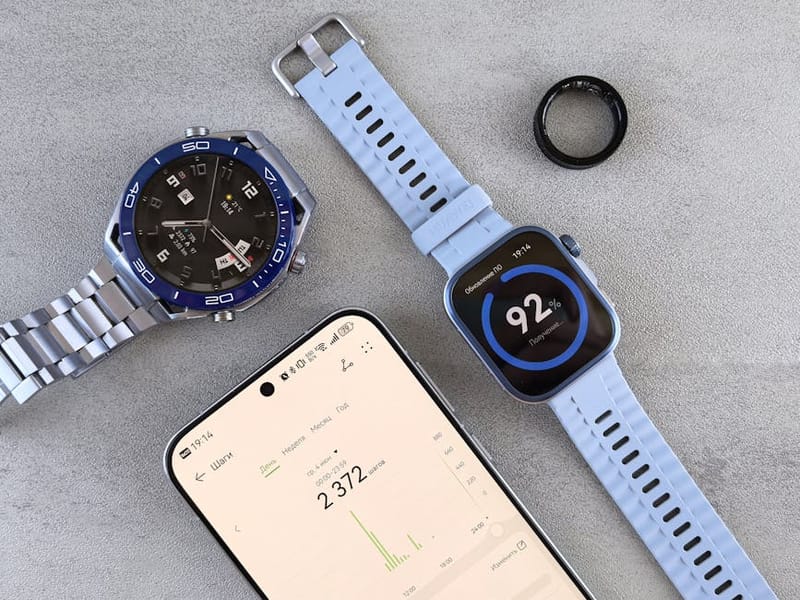
Smart Ring vs Smartwatch
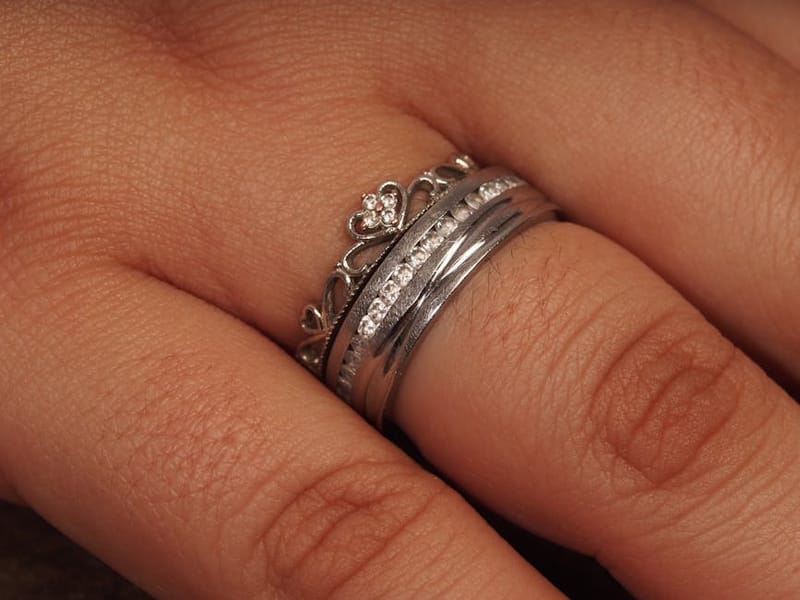
Smart Ring Sizing Guide

Smart Ring Health Metrics Explained
Want the most accurate ring?
Our buying guide ranks sensor quality and fit across the leading smart rings.