Independent UK smart ring reviews
Smart rings, decoded.
Every major smart ring reviewed the same way: accuracy weighed against published validation studies, comfort and battery in real use, and the true 24-month cost with the subscription included. No affiliate noise, just clear answers.
Jump straight to the best ring for
- Sleep tracking
- Fitness & recovery
- Women's health
- No subscription
- Under £150
- Android
- iPhone
- Complete beginner
- 15 rings reviewed
- 26 head-to-head comparisons
- 137+ guides and explainers
- No pay-for-placement
Every ring, side by side
Sort by editor's score, battery life or price. Subscription costs are flagged because the sticker price is not the whole story.
| Ring | Subscription | Review | |||
|---|---|---|---|---|---|
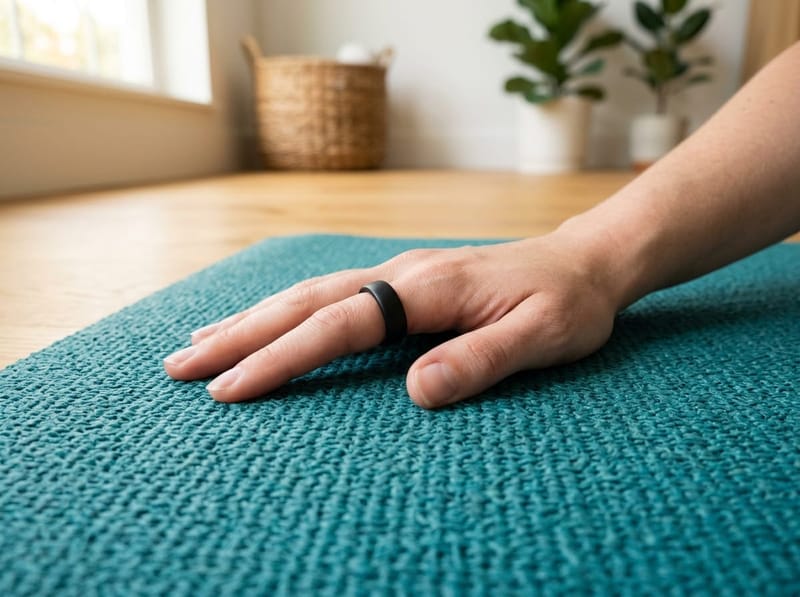 | 4.5/5 | 6-9 days | £5.99/month | £399 | Review → |
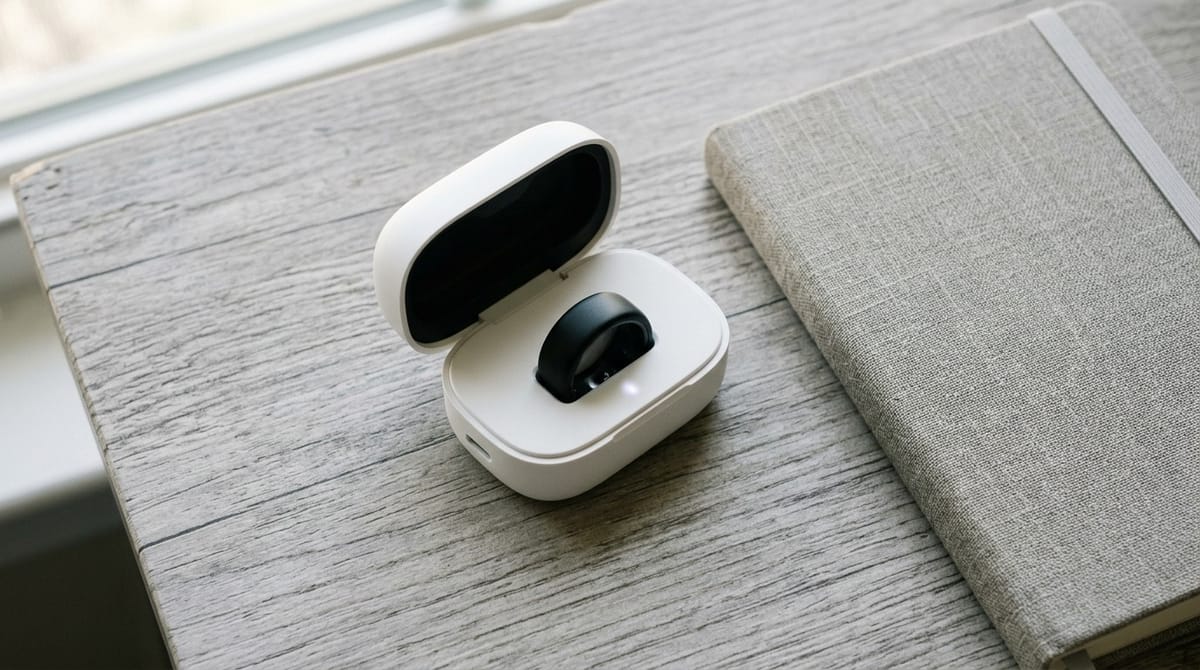 | 4.4/5 | 10-12 days | None | ~ | Review → |
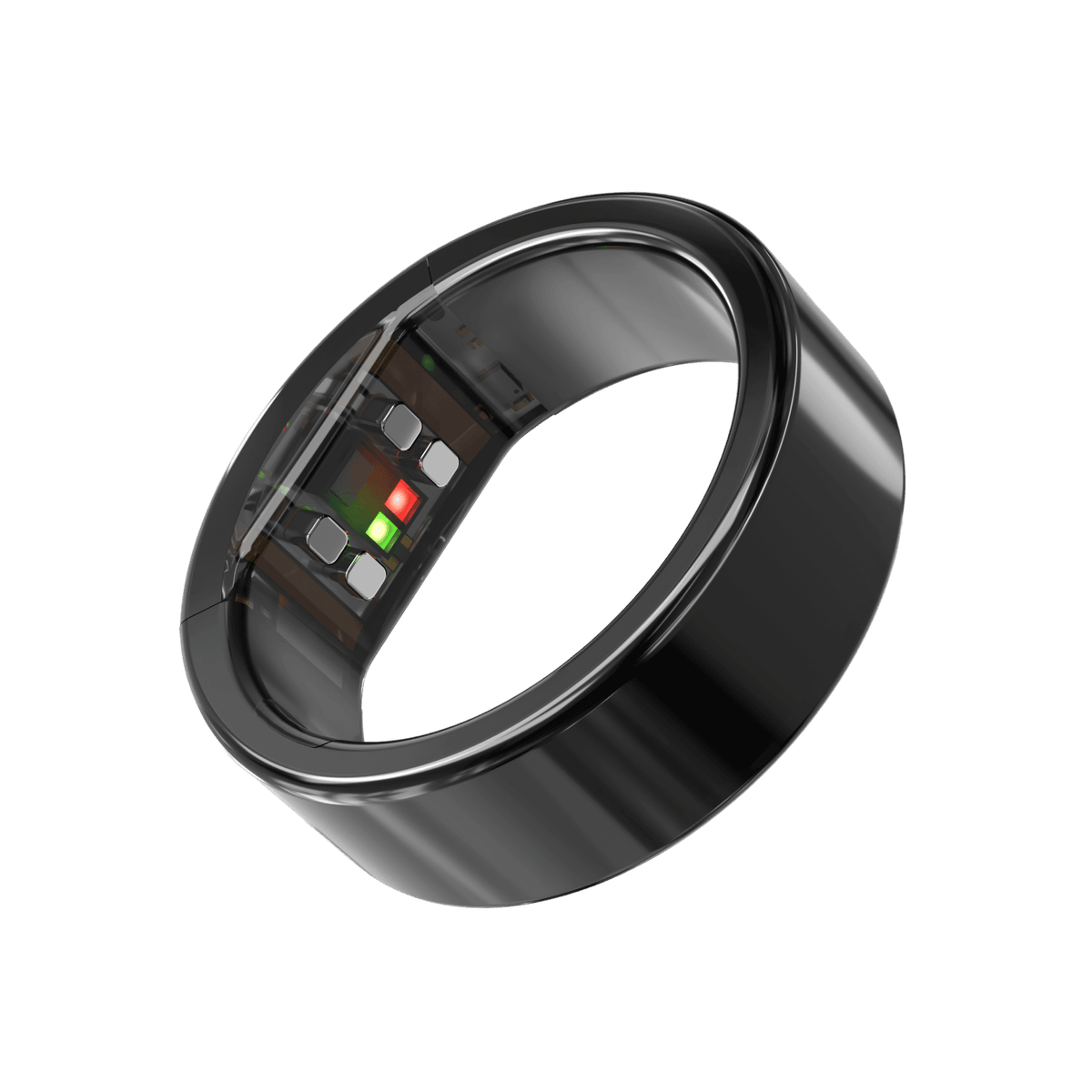 | 4.4/5 | Up to 15 days | None | £429 | Review → |
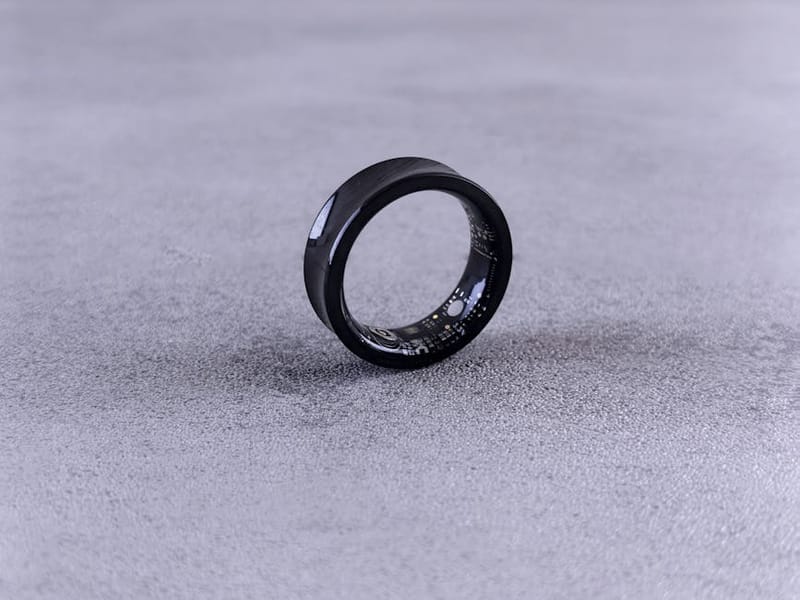 | 4.3/5 | Up to 8 days | £5.99/month | ~ | Review → |
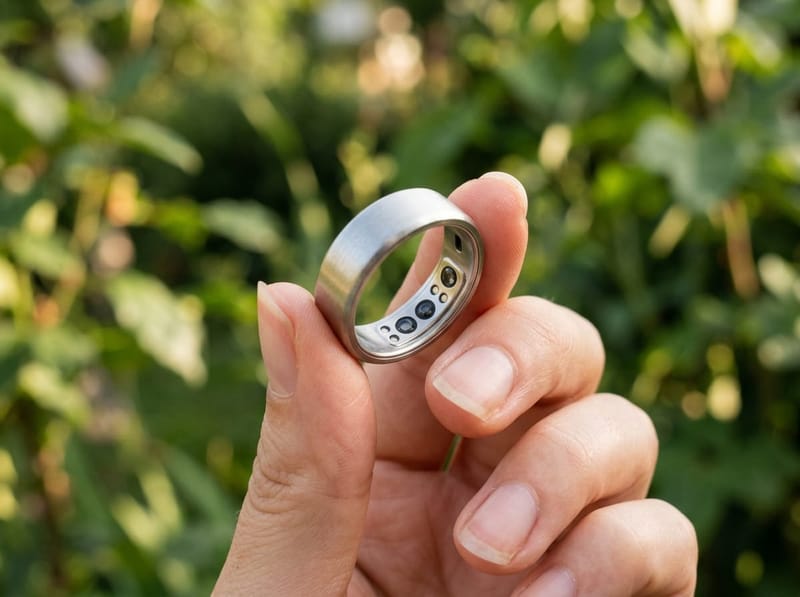 | 4.1/5 | Up to 10 days typical | None | £239 | Review → |
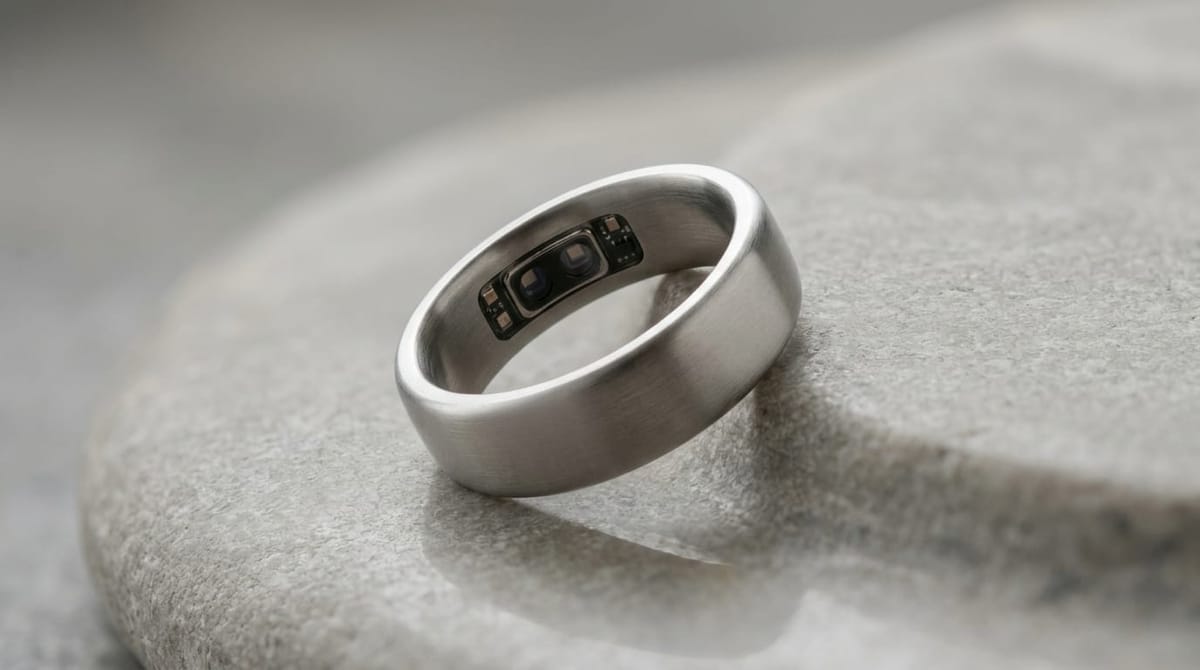 | 4.0/5 | Up to 8 days per charge | None | £169 | Review → |
 | 4.0/5 | 4 days typical use | None | £149.90 | Review → |
 | 4.0/5 | Up to 7 days | None | £399 | Review → |
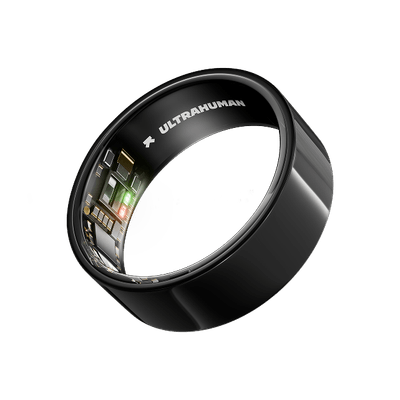 | 4.0/5 | 4 – 6 days in typical use | None | £329 | Review → |
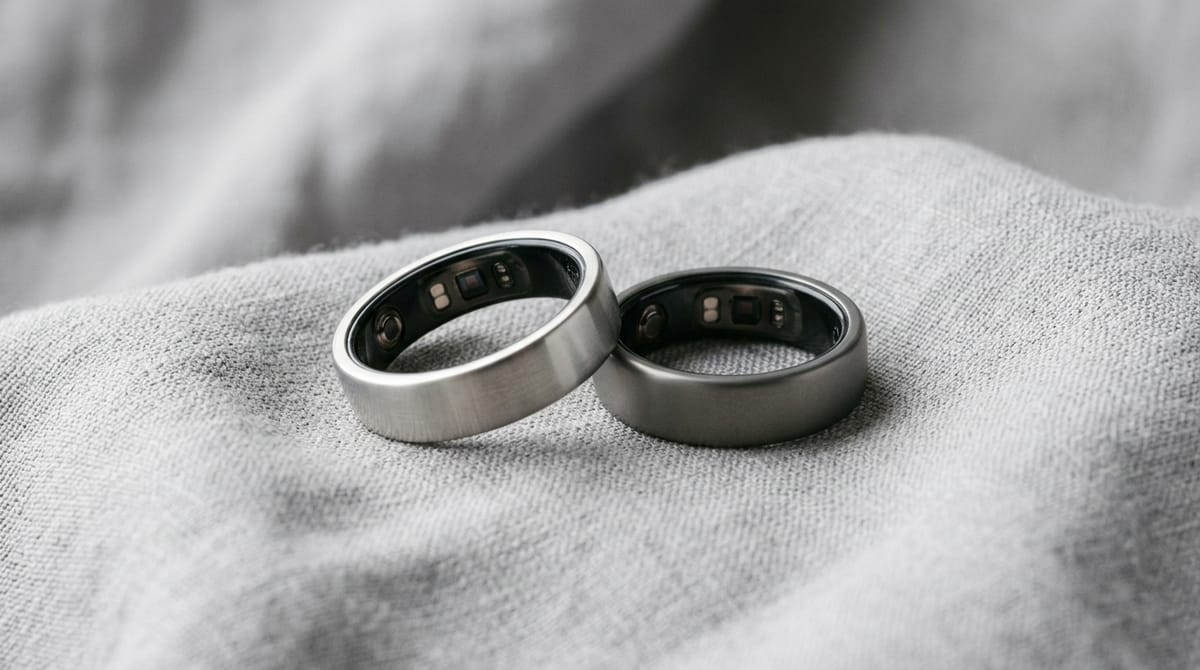 | 3.9/5 | Around 4 days | None | £200 | Review → |
 | 3.9/5 | 10 – 12 days typical | None | ~ | Review → |
 | 3.5/5 | Claimed 5-6 days | None | ~ | Review → |
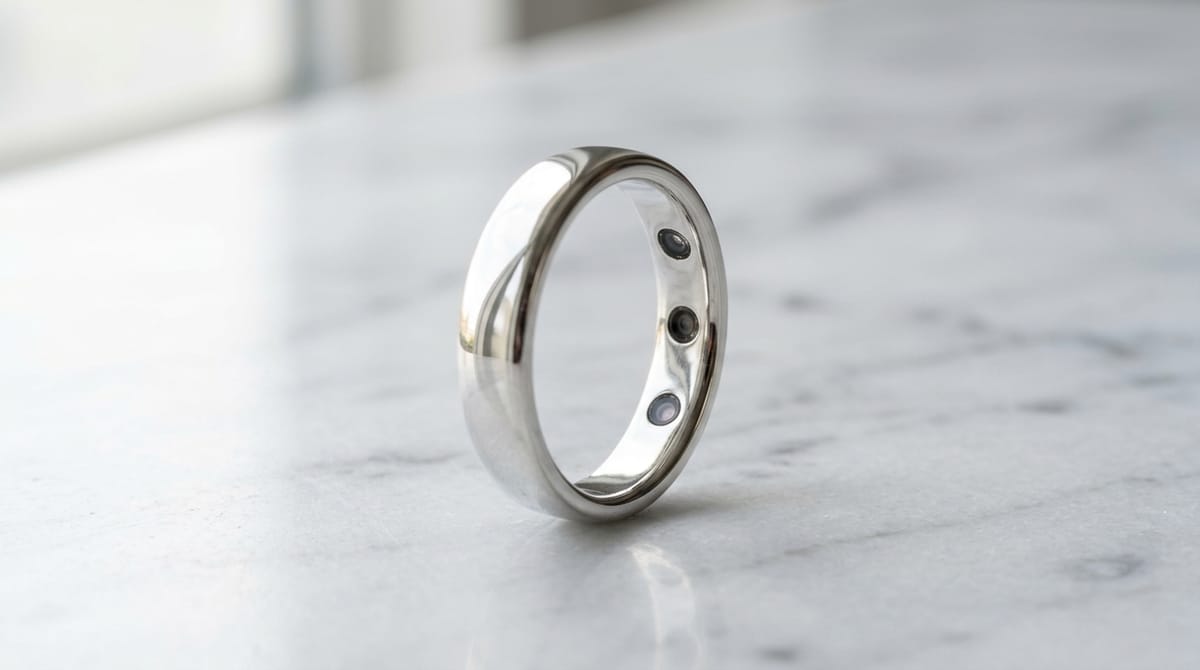 | 3.5/5 | 5-8 days | None | ~ | Review → |
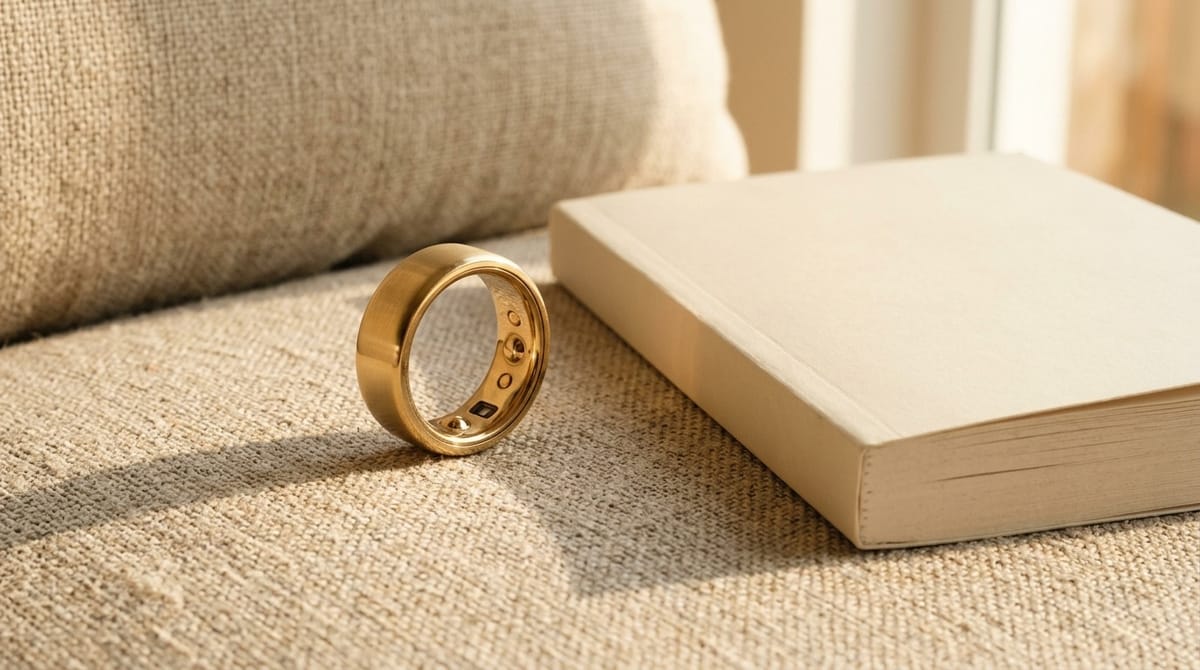 | 3.4/5 | 2-4 days | None | ~ | Review → |
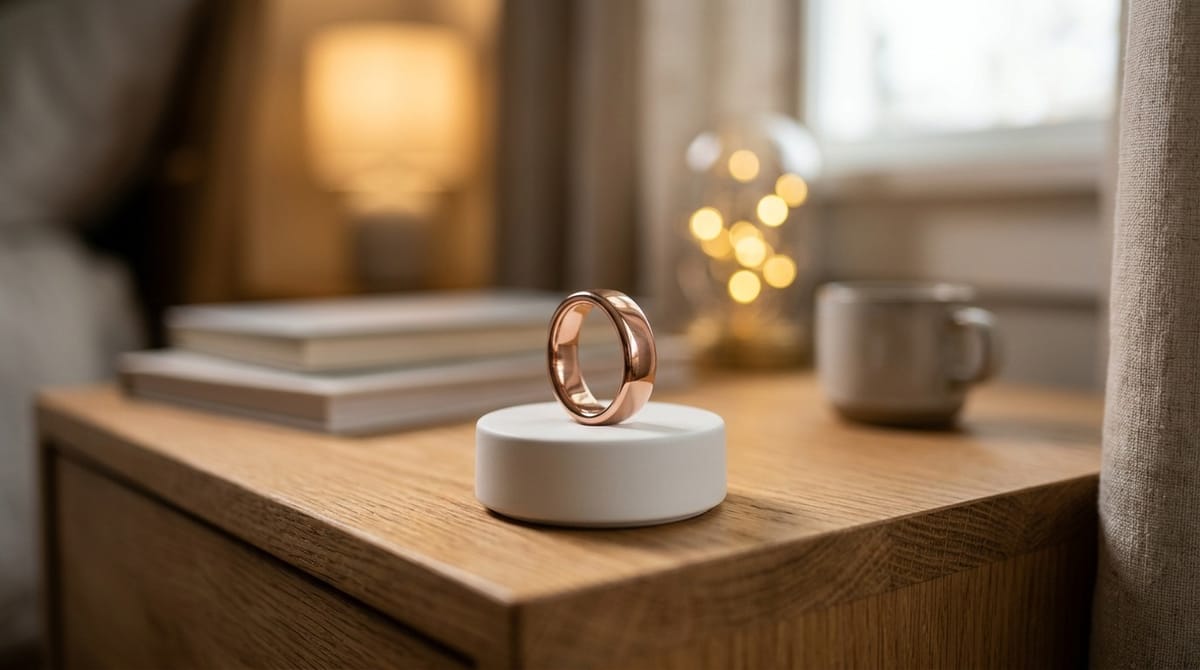 | 3.2/5 | Around 6 days typical | None | £280 | Review → |
Editor's scores are research-based - built from validation studies, published spec data and owner feedback, not hands-on testing. How we score →
Explore the library
137+ guides, organised around the questions people actually ask.
New to smart rings? Start here
The six guides that answer most buying questions, before you spend a penny.
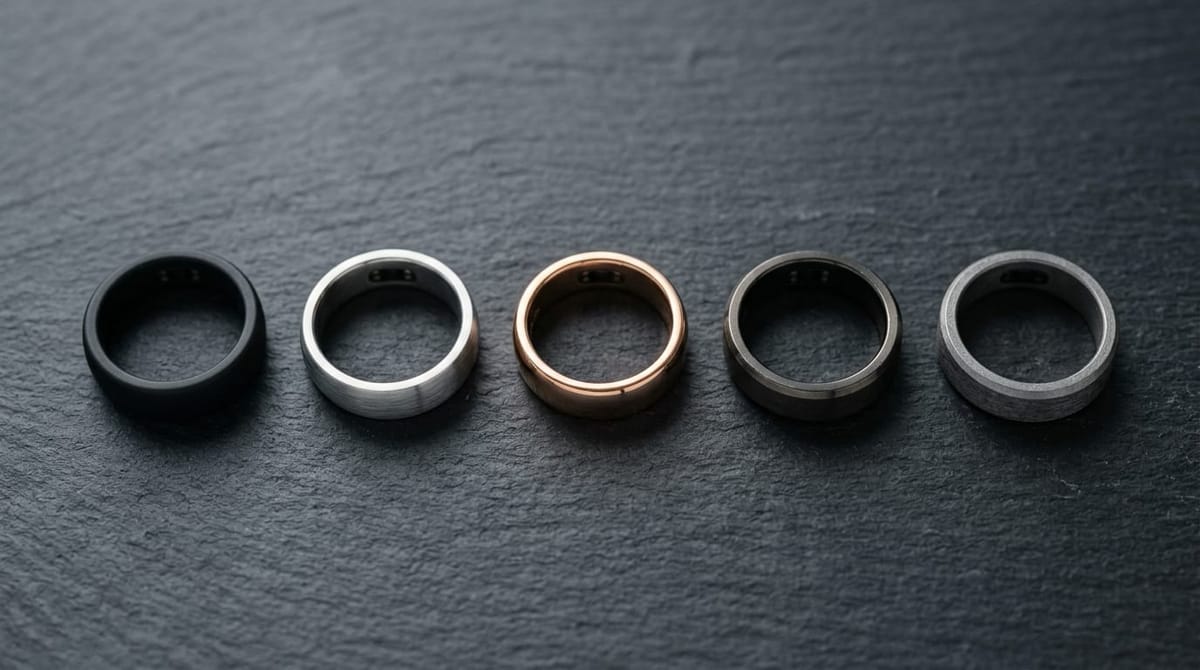


Can't choose between two?
The head-to-heads that decide it
Same criteria, two rings, one verdict. 26 match-ups and counting.
Latest analysis
New reviews, rankings updates and explainers as the category moves.
Why trust Smart Ring HQ?
Evidence-led reviews with a paper trail, and honesty about how we earn.
Evidence over marketing
Accuracy claims are checked against published validation studies and third-party sensor data, with the sources linked in every review.
The true 24-month cost
Subscriptions can cost more than the ring. Every verdict includes the two-year total, so you compare like for like.
Independent
No pay-for-placement and no manufacturer-approval deals. We earn from some links and disclose exactly how.
Kept current
Firmware, prices and subscription terms change. Reviews and rankings are revisited as they do.
How we review Editorial policy Affiliate disclosure About Smart Ring HQ
Newsletter
Join the Smart Ring HQ newsletter
One email when we publish new reviews, rankings updates and price drops worth knowing about. No spam, unsubscribe anytime.
We'll only email you Smart Ring HQ updates, and you can unsubscribe at any time.