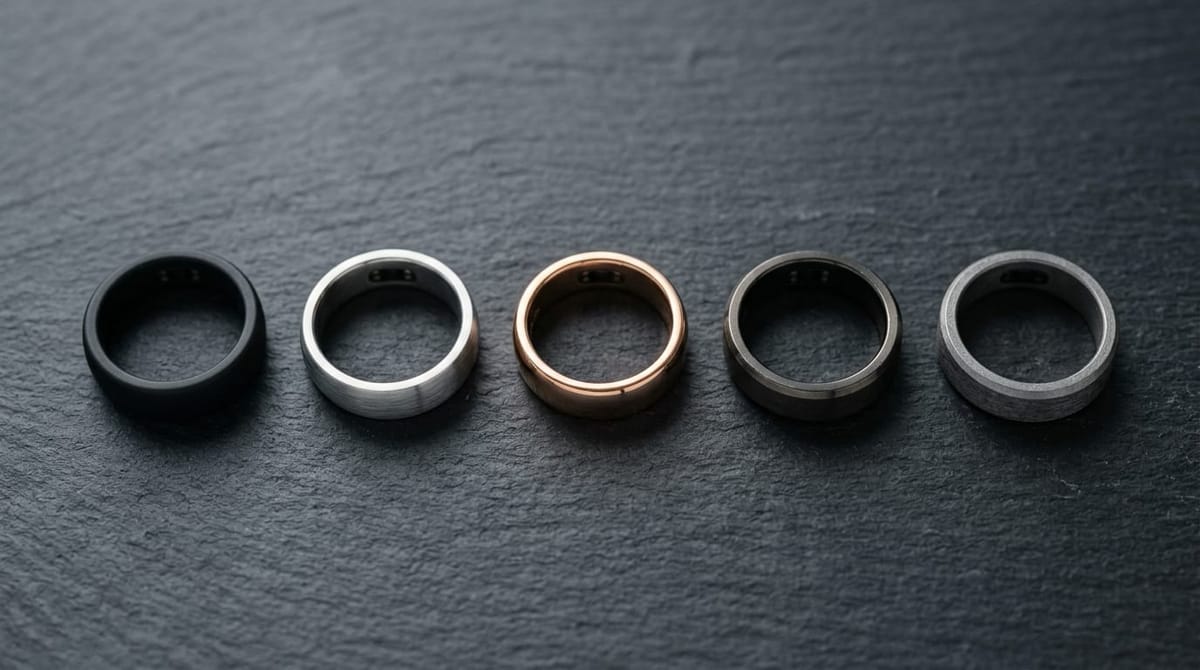
Do Smart Rings Have Contactless Payment (NFC)?
Most health smart rings like Oura and Samsung don't do contactless payments. Dedicated payment rings do. Here's what actually works and what to expect.
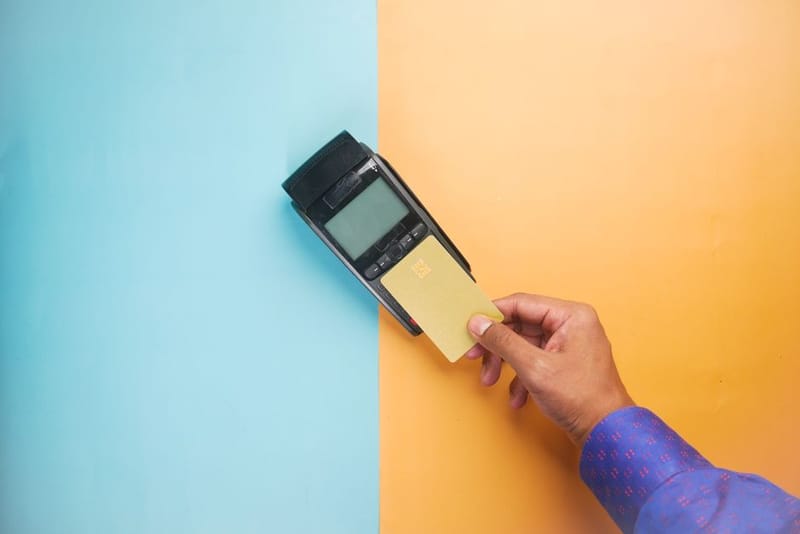
Can you pay with a smart ring?
You can pay with a ring - just not with the smart ring most people mean. The health and sleep trackers that dominate the market do not include contactless payment. Paying by ring is possible only with a purpose-built payment ring, which is a different product entirely.
This trips a lot of buyers up. Because phones and smartwatches combine fitness tracking and payments in one device, it is natural to assume a smart ring does too. It does not, and the reason comes down to physics and certification rather than a missing software update.
Which smart rings support contactless payments?
Among the mainstream health rings, none currently support contactless payments:
- Oura Ring (Gen3 and Gen4) - no payment feature.
- Samsung Galaxy Ring - no payments, despite Samsung Wallet existing on its phones and watches.
- Ultrahuman Ring Air - no payment feature.
- RingConn - no payment feature.
Payments are instead the whole point of a separate category: dedicated payment rings. Brands such as McLEAR and K Ring have offered contactless rings in the UK, and Tapster has focused on linking multiple cards. These devices pay but do not track your sleep, heart rate or steps.
Why don't Oura, Samsung and other health rings have NFC payments?
Two reasons. First, space and power. A payment ring needs an NFC (near-field communication, the short-range wireless standard behind contactless cards) antenna and a secure element chip. Fitting those alongside optical sensors, a battery and Bluetooth in a band a few millimetres thick is a genuine engineering squeeze.
Second, certification. Every contactless payment device has to pass strict card-network approval from Visa and Mastercard and integrate with a bank or issuer. That is a slow, expensive process unrelated to health tracking, so ring makers have so far chosen to do one job well rather than both jobs poorly.
How do dedicated payment rings work?
Most payment rings are passive, meaning they contain no battery and never need charging. They work exactly like the contactless card in your wallet: a chip and antenna that a card reader powers momentarily when you tap. You either preload the ring with a prepaid balance or link it to a bank account, then tap to pay under the contactless limit (100 pounds in the UK, per the rules behind everyday contactless payment).
Because there is no screen or fingerprint reader on the ring, there is no on-device PIN. Transactions are capped at the contactless limit, and lost-ring protection depends on the provider's app, where you freeze or unlink the ring.
What are the downsides of a payment ring?
The trade-offs are real. You give up health tracking entirely, since payment rings carry no sensors. Sizing is permanent - unlike a card you can replace, a ring that no longer fits is awkward to swap. And provider support has been patchy over the years, with several payment-ring brands launching, changing banking partners, or pausing sales, so it pays to check a provider is actively trading before buying.
For most people the honest answer is that a payment ring is a niche convenience, not a wallet replacement. If tap-to-pay on your hand is the priority, a smartwatch remains the more reliable route.
Should you buy a health ring or a payment ring?
Decide what you actually want the ring to do. If you want sleep, recovery and activity insight, buy a health ring and keep paying with your card, phone or watch - see our best smart rings guide for the leading options. If you specifically want to pay with a ring and do not care about tracking, a dedicated payment ring is the only route.
What you cannot yet do is buy one ring that does both. That may change as the technology shrinks, but as of 2026 the two categories remain separate, and buying a health ring expecting to tap it at a till will disappoint.