Smart Rings for Blood Pressure: What Actually Works
Can a smart ring measure blood pressure? The honest 2026 answer, what cuffless BP can and cannot do, and how to monitor blood pressure properly.
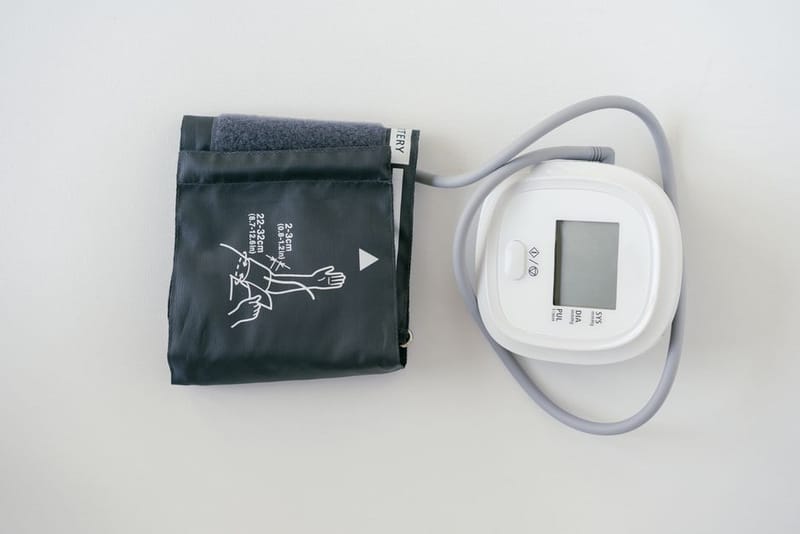
If you are shopping for a smart ring to track your blood pressure, the honest answer is to save your money for a proper cuff. No mainstream smart ring measures blood pressure in 2026. Rings are excellent at heart rate, sleep, and recovery, but blood pressure is a different kind of measurement that the current technology cannot deliver reliably from your finger.
Can a smart ring measure blood pressure?
Not in any meaningful, trustworthy way. The leading smart rings on the market do not offer a blood pressure feature at all, and those that hint at one do not provide a validated medical reading. If accurate blood pressure is your goal, a ring is the wrong tool.
This is not a failing of any single brand. It reflects a genuine technical limit in measuring blood pressure optically from a finger, which is a much harder problem than counting heartbeats.
Why is cuffless blood pressure so hard?
A traditional cuff measures the actual pressure needed to stop and restore blood flow in your arm, which is a direct physical measurement. A ring has no way to apply that pressure, so any cuffless method must infer pressure indirectly, often from pulse transit time (the time a pulse wave takes to travel between two points in the body).
These indirect estimates drift quickly, need frequent recalibration against a real cuff, and are sensitive to posture, temperature, and how the device sits. That fragility is why cuffless blood pressure has struggled to meet medical accuracy standards in consumer hardware.
What about devices that claim to measure it?
A few wearables, mostly wrist devices rather than rings, advertise blood pressure features. Read the small print: they typically require regular calibration against a conventional cuff, are limited to certain regions, and are positioned as wellness estimates rather than diagnostic tools. A medical blood pressure claim requires regulatory clearance, which most consumer wearables do not hold for this purpose.
If a smart ring markets a blood pressure reading without that calibration and clearance, treat the number as marketing rather than medicine.
What can a smart ring actually tell you about heart health?
Quite a lot, just not blood pressure. Rings track resting heart rate, heart rate variability, and overnight trends, all of which are genuinely useful indicators of stress, recovery, and general cardiovascular fitness. A rising resting heart rate over weeks, for example, can be a meaningful signal worth discussing with a doctor.
These metrics complement blood pressure monitoring rather than replace it. For how they fit together, see our guide to smart ring health metrics.
How should you actually monitor blood pressure?
Use a validated upper-arm monitor, the same oscillometric method a clinic uses, measured with a sphygmomanometer or a home equivalent. Look for a device validated by a recognised hypertension body, sit still with your arm supported, and take readings at consistent times.
If you have been advised to monitor your blood pressure, follow your healthcare provider's guidance on a proper home monitor. A smart ring is a helpful companion for fitness and recovery, not a substitute for that cuff.
Will smart rings ever measure blood pressure?
Possibly. Cuffless blood pressure is an active research area, and sensor and algorithm improvements may eventually bring credible estimates to wearables. The hard requirement is independent validation against medical standards and regulatory clearance, which takes years.
Until a ring earns that clearance, assume your finger cannot tell you your blood pressure. When one genuinely can, it will be a headline feature backed by clinical evidence, not a quiet line on a spec sheet.
Frequently asked questions
Does any smart ring measure blood pressure in 2026?
Can a smart ring estimate blood pressure from heart rate?
Are cuffless blood pressure wearables accurate?
What is the best way to monitor blood pressure at home?

Smart Ring Health Metrics Explained
Smart Ring Blood Oxygen (SpO2) Accuracy
Smart Ring vs Smartwatch
Choosing a ring for health tracking?
Our buying guide compares the sensors that rings actually do well across the leading models.