Smart Ring Sleep Apnea Tracking 2026: What's Possible
Smart rings cannot diagnose sleep apnea. Oura Ring 4 has limited FDA clearance for screening. MHRA framing, what's possible in 2026, and clinical pathway.
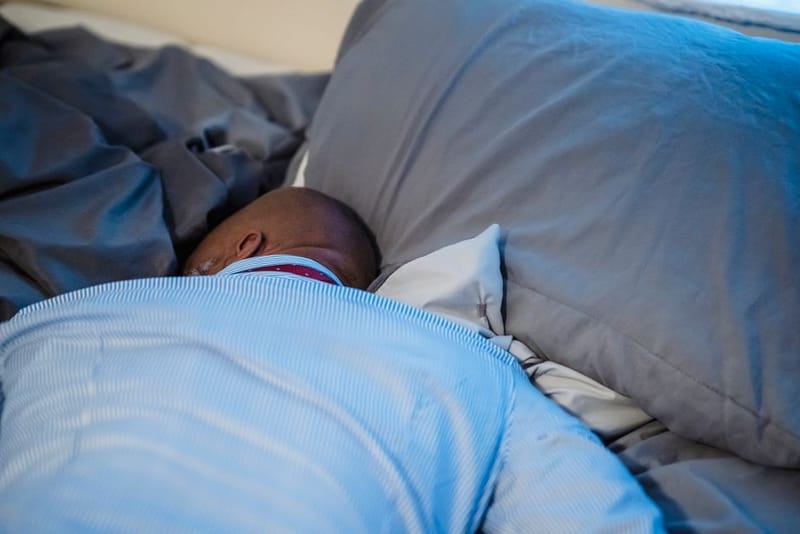
Sleep apnea affects roughly 8% of UK adults according to NHS published data - and the majority of cases are undiagnosed because the condition often produces no daytime symptoms beyond unexplained fatigue. Smart rings have emerged as a plausible screening tool because they sit on the finger all night and measure heart rate, heart rate variability, and SpO2 - the same physiological signals a clinical sleep study uses. This guide explains what smart rings can actually detect in 2026, what the FDA and MHRA have cleared, and how to use the data appropriately as a screening trigger rather than a diagnosis.
What is sleep apnea and why does it matter clinically?
Sleep apnea is a category of sleep-disordered breathing where the airway repeatedly partially or fully collapses during sleep, causing brief drops in blood oxygen (SpO2) and arousals that fragment sleep without waking the patient. The two main types are obstructive sleep apnea (OSA) - the airway physically blocks - and central sleep apnea - the brain doesn't signal the breathing muscles correctly. OSA accounts for over 90% of cases.
The clinical significance is well-documented in published research. Untreated moderate-to-severe sleep apnea is associated with substantially elevated cardiovascular risk (hypertension, heart failure, stroke), metabolic dysfunction (Type 2 diabetes), cognitive impairment, and excessive daytime sleepiness - which itself causes a measurable increase in vehicle collision risk. Effective treatment (typically CPAP therapy or oral appliance therapy) reverses most of these risks.
The NHS pathway for suspected sleep apnea is: GP assessment (symptoms + Epworth Sleepiness Scale questionnaire) → referral to a sleep clinic → at-home sleep apnea test (HSAT) using a pulse oximeter + breathing band overnight → diagnosis → CPAP titration. Wait times vary widely by region but typically 4-12 weeks from referral to diagnosis.
What sensors do smart rings use to detect sleep apnea patterns?
Smart rings cannot directly measure airway collapse or breathing volume - both require contact with the chest or face. What they can measure is the downstream consequences of those events, primarily through photoplethysmography (PPG) sensors.
SpO2 desaturation patterns. Sleep apnea events cause brief but measurable drops in blood oxygen (typically 3-4% from baseline, sometimes deeper in severe cases). Smart ring SpO2 sensors measure these drops via the same red and infrared LED reflectance method used in clinical pulse oximeters. The Oura Ring 4's multi-wavelength PPG and the RingConn Gen 3's multi-LED array are both meaningfully more accurate at measuring SpO2 during sleep than single-LED PPG approaches used in older smart rings or fitness watches.
Heart rate variability shifts. Sleep apnea events cause cyclical heart-rate accelerations during the apnea event itself, followed by sharp decelerations on resumption of breathing. A trained algorithm can detect this oscillating pattern (the "sawtooth" HRV pattern) as a marker of sleep apnea-like events without measuring breathing directly.
Movement and arousal patterns. Sleep apnea episodes often trigger brief micro-arousals that show up as movement spikes in the ring's accelerometer. Combined with SpO2 and HRV, these movement patterns help the algorithm distinguish sleep apnea from normal sleep cycle transitions.
The honest framing: smart ring sleep apnea detection is a downstream-signal inference, not a direct measurement. Accuracy is meaningful but lower than a dedicated sleep study, and meaningfully lower than dedicated home sleep apnea tests like WatchPAT that combine SpO2, peripheral arterial tone, and chest movement.
Which smart rings have FDA-cleared sleep apnea features in 2026?
Oura Ring 4 (FDA cleared November 2024). Oura received FDA clearance for its sleep apnea screening feature in November 2024 - the first smart ring with this level of regulatory backing. The feature analyses overnight SpO2 patterns and produces a probability indicator suggesting whether the user should seek clinical sleep apnea evaluation. Available to Oura subscribers in the US and (since mid-2025) the UK via the Oura app after a 30-day baseline-collection period.
Apple Watch (FDA cleared September 2024). Not a smart ring, but a relevant comparator. Apple Watch's sleep apnea notification feature received FDA clearance in September 2024 for users wearing the Watch overnight for at least 14 nights. Same principle as Oura: SpO2 pattern detection + clinical follow-up suggestion, not diagnosis.
No other smart ring has FDA clearance for sleep apnea screening in 2026. Ultrahuman Ring Pro, Samsung Galaxy Ring, and RingConn Gen 3 all show SpO2 data and trend it overnight, but none have submitted regulatory paperwork specifically for sleep apnea screening as of the time of writing. Their SpO2 data is useful for self-monitoring but should not be interpreted as clinical screening.
UK MHRA pathway: the MHRA generally recognises FDA Class II clearance for consumer wellness devices, so Oura's screening feature is functionally usable in the UK. For users wanting an MHRA-specifically-cleared device, the at-home sleep apnea test prescribed by your GP remains the gold standard.
How should you actually use smart ring sleep apnea data?
Treat smart ring sleep apnea features as a screening trigger, not a diagnosis or a self-treatment tool.
If your ring flags possible sleep apnea: book a GP appointment. Bring the data from the ring (Oura, Apple Watch, etc.) to the appointment alongside any symptoms (snoring, daytime fatigue, witnessed pauses in breathing). Your GP can decide whether to refer you for an at-home sleep apnea test - which is the actual diagnostic step.
If your ring doesn't flag sleep apnea but you have symptoms: the ring is a screening device, not a definitive negative test. Loud snoring, witnessed pauses in breathing, daytime sleepiness despite full nights of sleep, or unexplained morning headaches are all reasons to discuss sleep apnea with your GP regardless of what the ring says.
If you already have a sleep apnea diagnosis and use CPAP: smart rings are useful for adherence tracking (sleep quality and HRV trends on therapy nights vs off-therapy nights) but should not replace the formal compliance tracking your sleep clinic uses for therapy review.
Don't: use smart ring data to self-treat sleep apnea, decide whether to continue CPAP, or rule out clinical follow-up if you have symptoms. The clinical pathway exists for good reasons.
Frequently asked questions
Can a smart ring diagnose sleep apnea?
How accurate is Oura's sleep apnea screening?
Should I buy a smart ring just for sleep apnea screening?
Can RingConn or Ultrahuman detect sleep apnea?
Will an Apple Watch or Oura Ring replace a sleep study?
Are home sleep apnea tests (HSAT) available privately in the UK?
Smart Ring Health Metrics Explained
Smart Ring vs CGM
Want the latest sleep-apnea-ready smart ring?
Our smart ring health metrics guide covers the full UK landscape including which rings have FDA-cleared sleep features.