Smart Ring vs Blood Test Biomarkers UK 2026
Smart ring vs blood test UK 2026: what each measures, complementarity, lipid panel + HbA1c + vitamin D + thyroid context, value comparison.
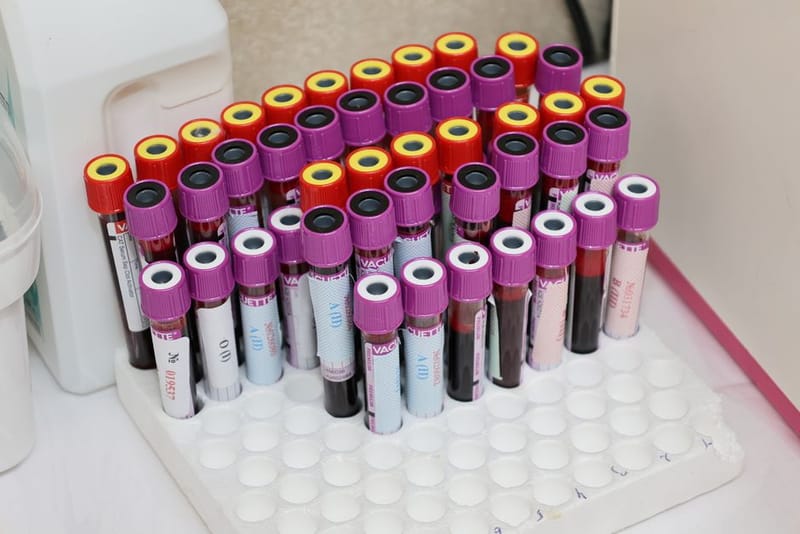
UK health-conscious users in 2026 increasingly use smart rings alongside periodic blood tests for a complete biometric + biochemical picture. Smart rings track real-time biology continuously; blood tests reveal what's happening at the biochemistry level. They're complementary - neither substitutes for the other. This guide covers what UK smart rings actually measure, what UK blood tests reveal that rings cannot, and how to combine the two for evidence-based health decisions.
What smart rings measure
Smart rings in 2026 track continuous biological signals:
- Heart rate variability (HRV). Autonomic nervous system balance indicator. Higher HRV typically = better recovery, lower stress.
- Resting heart rate (RHR). Long-term cardiovascular fitness indicator + acute stress signal.
- Sleep duration + architecture. Total sleep, deep sleep, REM, light sleep, sleep efficiency.
- Body temperature trends. Baseline shifts indicate menstrual cycle, illness onset, hormonal changes.
- Activity + step counts. Movement throughout the day.
- Blood oxygen (SpO2) on some models. Overnight oxygen saturation - useful for sleep apnoea screening.
These are real-time signals. Smart rings sample continuously, building patterns over weeks + months.
What blood tests reveal that smart rings cannot
UK blood tests reveal biochemistry no smart ring can access:
- Lipid panel. Total cholesterol, LDL, HDL, triglycerides. Cardiovascular risk markers + statin treatment decisions.
- HbA1c. 3-month average blood glucose. Pre-diabetes / diabetes diagnosis + monitoring.
- Fasting glucose. Single-point glucose level. Pre-diabetes screening.
- Vitamin D. Critical UK marker (low sun exposure). Affects bone, immune function.
- Thyroid function (TSH, T3, T4). Hypo/hyperthyroidism diagnosis + monitoring.
- Full blood count (FBC). Anaemia, infection, immune status.
- Liver function (ALT, AST, GGT). Liver health, alcohol impact, medication tolerance.
- Kidney function (creatinine, eGFR). Kidney health monitoring.
- Inflammatory markers (CRP). Acute or chronic inflammation status.
- Hormones (testosterone, oestradiol, FSH, etc). Reproductive health, andropause/menopause assessment.
None of these are detectable by smart ring biometrics. They're biochemistry, accessible only via blood sampling.
Where the two correlate (and don't)
Some smart ring patterns CORRELATE with blood biomarkers but don't directly measure them:
- Smart ring RHR + lipid panel. Elevated RHR over time can correlate with cardiovascular risk that lipid panel quantifies. Not the same measurement though.
- Smart ring sleep + HbA1c. Chronic poor sleep correlates with elevated HbA1c (sleep affects glucose regulation). Smart ring sleep data may suggest HbA1c risk; blood test confirms.
- Smart ring temperature + thyroid. Baseline temperature shifts can correlate with thyroid function. Hypo = lower baseline; hyper = elevated. Blood test confirms.
- Smart ring HRV + inflammation. Chronic low HRV correlates with elevated CRP. Ring data may flag concern; blood test confirms.
Important: correlation isn't measurement. Smart ring data may hint at biochemical changes worth investigating but doesn't substitute for blood tests for any diagnostic purpose.
UK blood test access in 2026
UK options for blood testing in 2026:
- NHS GP referral. Free at point of use. Standard panels for symptomatic indication or chronic disease monitoring. Limited preventive testing - usually need clinical reason.
- NHS Health Check (40-74 year olds). 5-yearly cardiovascular risk assessment including cholesterol + blood pressure. Free.
- Private GP blood panels. £50-£200 for standard panels. Faster than NHS for non-urgent screening.
- Postal blood tests (Thriva, Medichecks, Numan, etc). £30-£150. Self-administered finger-prick + venous samples. Wide panel options. Results in 3-7 days.
- In-clinic services (Bluecrest, Randox, etc). £100-£500 for comprehensive panels with clinic visit.
For UK health-conscious users wanting smart ring + blood test data, postal services like Thriva work well for periodic comprehensive testing without GP appointments.
Best practice: combining ring + blood test data
UK 2026 best practice for combining the two data sources:
- Annual comprehensive blood panel. Once-yearly broad panel (NHS or private) establishes biochemical baseline.
- Quarterly targeted blood tests. Track specific markers (HbA1c if pre-diabetic, lipid panel if on statins, vitamin D in winter) every 3 months.
- Continuous smart ring tracking. Daily ring data provides between-blood-test lifestyle feedback.
- Investigate ring anomalies with blood tests. If smart ring shows persistent low HRV / elevated RHR / poor sleep over weeks, that's a signal to investigate biochemistry via blood test.
- Use blood test results to interpret ring data. Knowing your lipid panel + HbA1c contextualises what ring trends mean. Identical HRV pattern means different things at different biochemical baselines.
The goal isn't to replace one with the other. It's to use each tool for what it does best.
Best smart ring for biomarker context?
Three UK smart rings worth considering when pairing with blood test data in 2026:
- Oura Ring 4: Best for the integrated readiness + sleep + temperature picture that pairs well with comprehensive blood panels. £349 + £5.99/month membership. See our Oura Ring 4 review.
- RingConn Gen 3: Strong general tracking + no subscription cost. Good budget option for ring + blood test combination. £200-£250 outright. See our RingConn Gen 3 review.
- Ultrahuman Ring Pro: Best metabolic positioning + CGM integration. If you're also using a Continuous Glucose Monitor (Abbott Libre 3, Lingo), Ultrahuman integrates well alongside HbA1c blood data. £270 + £5/month membership. See our Ultrahuman Ring Pro review.
For most UK users combining ring data with blood tests, Oura wins on integration. Ultrahuman is the best choice if also using CGM. RingConn is the value option.
Frequently asked questions
Will a smart ring tell me my cholesterol level?
Can smart rings detect diabetes or pre-diabetes?
How often should I get blood tests if I track with a smart ring daily?
Are UK postal blood tests as accurate as GP / hospital tests?
Should I bring smart ring data to my GP appointment?
Can smart rings detect cancer or other serious conditions?
The bottom line
For UK health-conscious users in 2026, smart rings and blood tests are complementary tools that measure fundamentally different things. Smart rings track real-time biological signals continuously; blood tests reveal biochemistry at single time points. Use both: smart rings for daily lifestyle feedback, periodic blood tests for biochemical baselines + investigation of ring-data anomalies.
Best practice: annual comprehensive blood panel + quarterly targeted tests for specific markers + daily smart ring tracking. The combined picture supports better decisions than either alone.
For specific smart ring reviews, see our Oura Ring 4 review, RingConn Gen 3 review, and Ultrahuman Ring Pro review. For UK blood test access, see the NHS blood tests hub.