Can a Smart Ring Help With Anxiety? An Honest Look
Can a smart ring help with anxiety? What stress and HRV tracking can do for awareness, where it falls short, and why it is no substitute for real care.
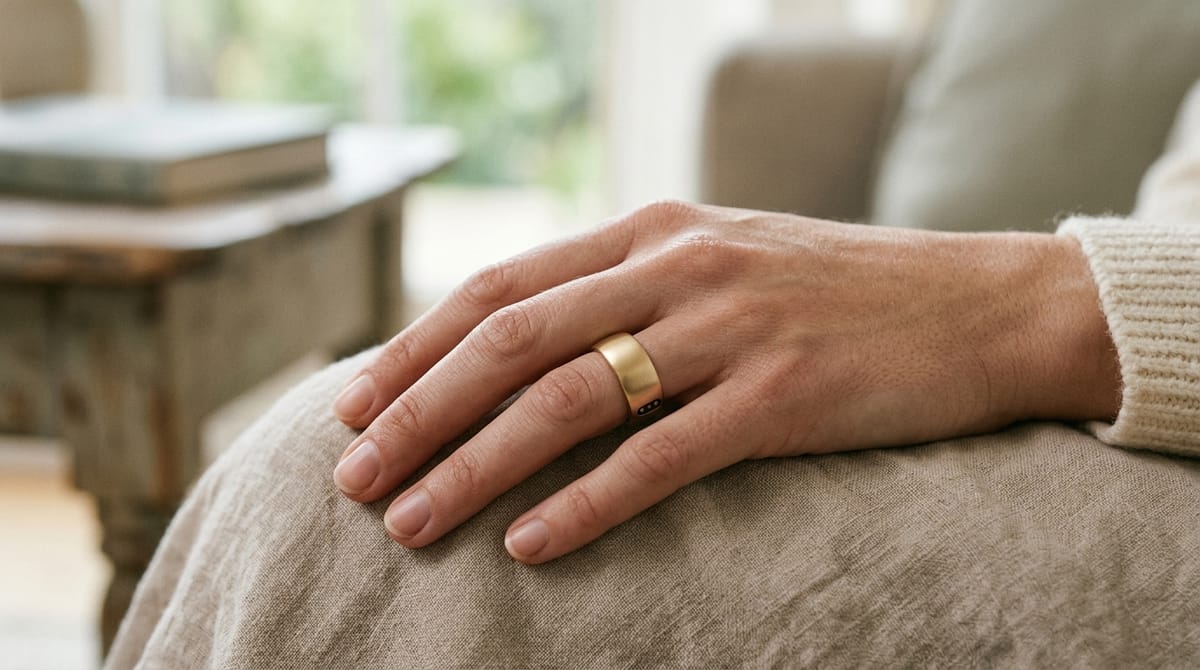
Search for a smart ring and you will quickly find them marketed around stress and calm. It is a fair question to ask whether a ring on your finger can actually help with anxiety - and the honest answer is more nuanced than the marketing suggests. A ring measures your body, not your mind, and the gap between the two matters.
Anxiety is a mental-health condition. Stress is a physiological state your body enters, and the two overlap but are not the same. Smart rings track the physical signals of stress through heart rate variability (HRV - the small beat-to-beat timing changes in your pulse that reflect nervous-system balance) and related metrics. That can be genuinely useful for awareness, and genuinely unhelpful if it becomes one more thing to worry about. This guide is an honest look at both sides.
Can a smart ring detect or treat anxiety?
No. A smart ring has no way to know what you are thinking or feeling. It detects physical stress signals - a raised heart rate, a drop in HRV - which can accompany anxiety but also accompany exercise, caffeine, illness, a poor night's sleep, or simple excitement. The ring cannot tell the difference between a panic episode and a brisk walk up the stairs.
It also offers no treatment. There is no feature on any ring that reduces anxiety the way therapy, medication, or proven self-help techniques can. Where a ring may indirectly help is by surfacing patterns and prompting healthy habits, but that is support around the edges, not a cure. Anyone marketing a ring as an anxiety treatment is overstating what the hardware does.
What does a smart ring actually measure?
Rings use an optical pulse sensor to read your heart rate and the timing between beats. From that they derive a handful of stress-relevant metrics: resting heart rate, HRV, a daily 'stress' or 'readiness' score, breathing rate, and sleep quality. The logic is that a lower HRV and elevated resting heart rate often reflect a body under load, while higher HRV reflects recovery and calm.
These signals are real and measurable, but they are indirect proxies for stress, not a window into your mental state. They are most meaningful as trends over weeks, not as a single reading. For the full picture of what each metric means, see our explainer on HRV and smart rings and our guide to smart ring health metrics.
How can stress tracking help with anxiety?
Used thoughtfully, the data can support self-awareness. Three uses stand out. First, spotting patterns: if your HRV consistently drops on certain days or after certain activities, that can highlight triggers you had not connected to how you feel. Second, validating the physical side of anxiety - seeing a real, measurable change can help some people feel less like they are imagining it. Third, encouraging recovery habits: many rings nudge you toward breathing exercises, earlier nights, or movement, all of which genuinely help manage stress.
The link to sleep is the most valuable of these. Poor sleep and anxiety feed each other, and a ring is good at showing how your nights are going. Improving sleep is one of the most evidence-backed things you can do for stress, and a ring that helps you take sleep seriously is doing something useful.
Where smart rings fall short for anxiety
The biggest risk is the one the marketing never mentions: for an anxious person, a stream of health data can become another source of anxiety. Checking your stress score repeatedly, feeling worse when it is 'bad', or fixating on a low HRV reading can feed exactly the spiral you are trying to ease. If tracking makes you more anxious, the right move is to turn the metrics off, not to monitor harder.
The data is also noisy and easily misread. A single high-stress reading means little, the algorithms vary between brands, and none of it is validated to clinical standard. A ring will never replace a conversation with a professional who can actually assess what is going on. Treat the numbers as a rough mirror, not a verdict.
Should you use a smart ring if you have anxiety?
It depends entirely on how you relate to data. For someone who finds patterns reassuring and acts on them calmly, a ring can be a helpful awareness aid - particularly for protecting sleep and prompting breathing breaks. For someone who tends to fixate, measure, and catastrophise, it can quietly make things worse. You know which camp you are in, and it is fine to decide a ring is not for you.
If you do use one, set expectations low: it is a fitness-style accessory that happens to track some stress signals, not a wellbeing solution. Keep the focus on the habits it encourages - sleep, breathing, movement - rather than on chasing a perfect score. If you are choosing a model, our best smart rings guide compares the options, and our guide to heart-rhythm features covers another health signal rings can flag.
What actually helps with anxiety?
The things that genuinely move the needle on anxiety are well established and none of them live on your finger. Talking therapies such as CBT, support from a GP, medication where appropriate, regular exercise, good sleep, and proven self-help all have real evidence behind them. The NHS offers a free anxiety self-referral route in many areas, and your GP is the right first step if it is affecting daily life.
A smart ring can sit alongside that as a gentle prompt toward better sleep and recovery - a supporting role, not the lead. Buy one for its sleep and fitness tracking, value any stress awareness it gives you as a bonus, and keep the real work where it belongs: with the people and methods equipped to help.
Frequently asked questions
Can a smart ring diagnose anxiety or panic disorder?
Is the stress score on a smart ring accurate?
Can tracking stress make anxiety worse?
What is the best smart ring feature for managing stress?
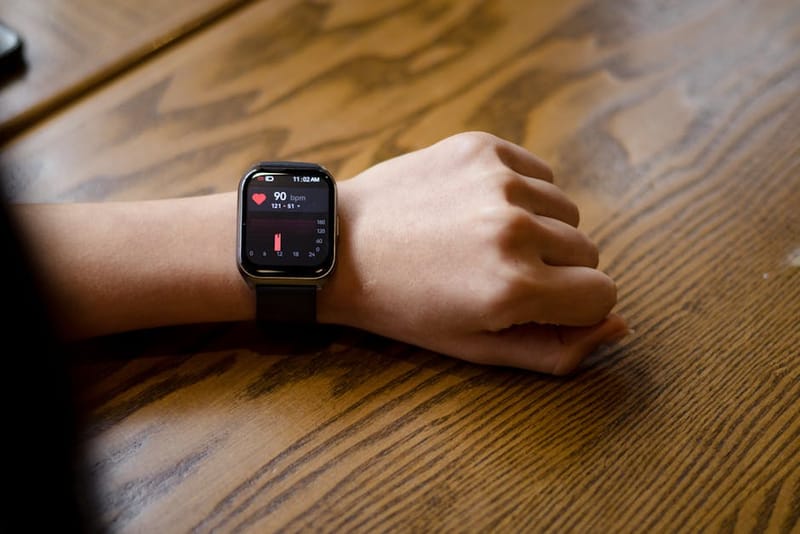
HRV and Smart Rings Explained
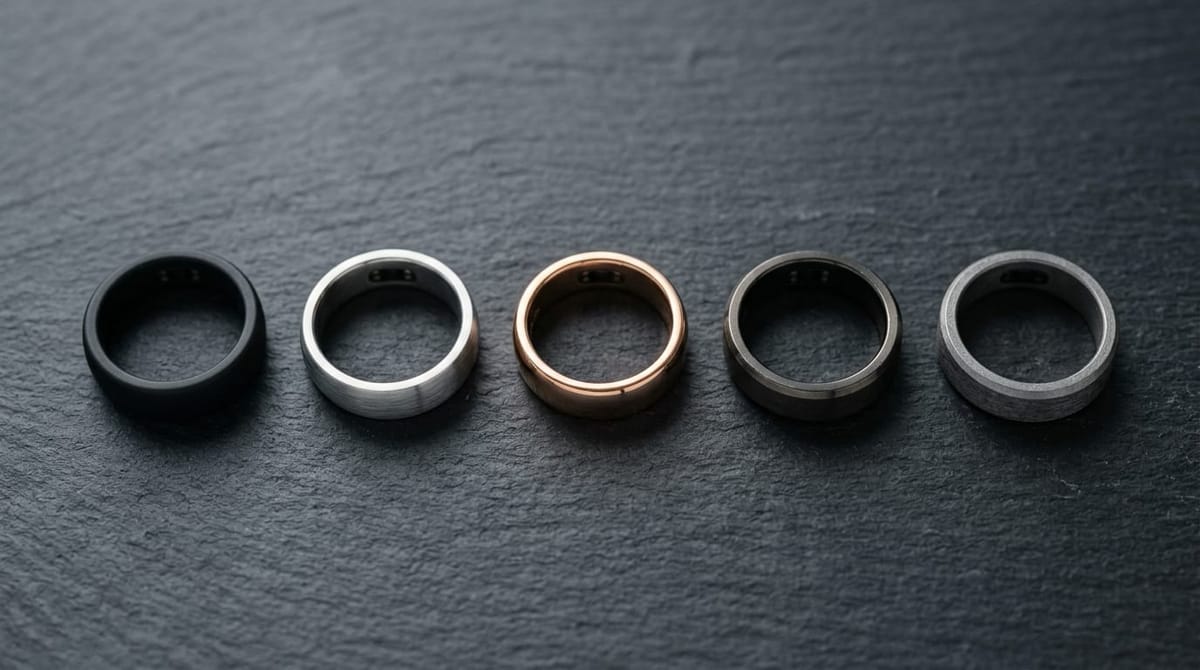
Best Smart Rings 2026
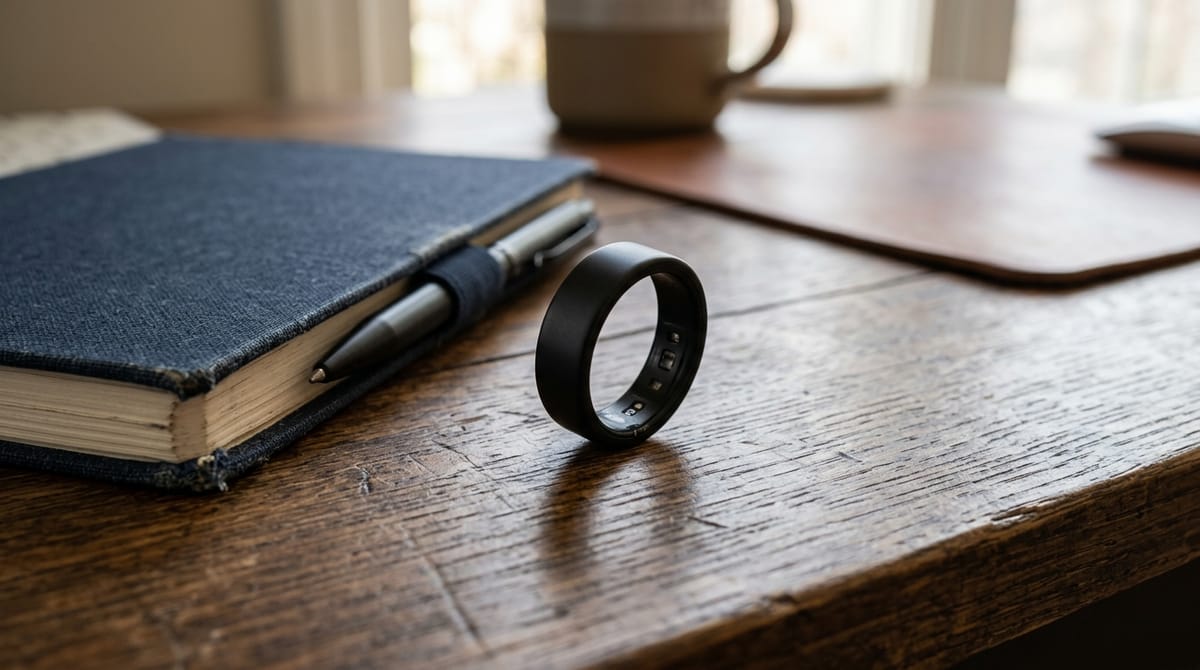
Smart Rings and AFib Detection
Smart Ring Health Metrics Explained