Smart Ring for Diabetes Management UK 2026
Smart ring diabetes management UK 2026: HR trends + sleep + recovery correlation with blood glucose, CGM integration, lifestyle tracking.
Smart rings have become increasingly relevant for diabetes self-management, even without direct glucose measurement. This guide covers the 2026 UK landscape - what they can + can't do.
Can a smart ring measure blood glucose?
Setting expectations correctly.
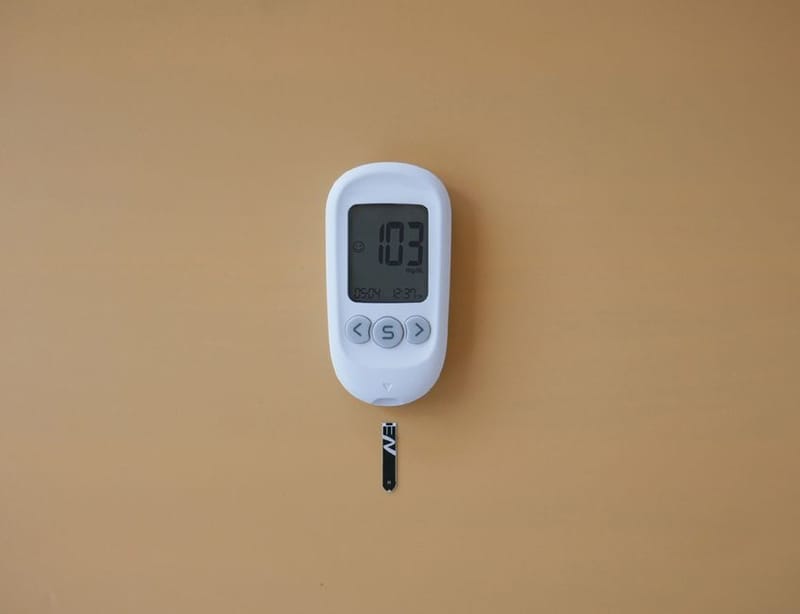
Despite Apple Watch, Samsung, and several startup company press releases over the past 3 years promising 'non-invasive glucose monitoring' via wearable optical sensors, no consumer wearable currently measures blood glucose with clinical accuracy.
- Apple Watch / Samsung Galaxy Watch / smart rings: NO direct glucose measurement.
- Glucose still measured by: fingerprick test strips OR CGM (Continuous Glucose Monitor) attached to arm/abdomen.
- CGM examples: Dexcom G7 (UK NHS-funded for Type 1), Abbott FreeStyle Libre 3 (NHS + private).
What smart rings CAN do: track downstream physiological responses to glucose dysregulation - which gives valuable insights for diabetes self-management even without measuring glucose directly.
1. Resting Heart Rate (RHR):
- RHR typically rises 3-8 bpm during periods of poor glycaemic control.
- Acute hyperglycaemia (BG >12 mmol/L) often correlates with RHR +5-10 bpm above baseline.
- Chronic uncontrolled diabetes: persistent RHR elevation 5-15 bpm above age/fitness baseline.
2. Heart Rate Variability (HRV):
- HRV is the autonomic nervous system marker - lower HRV = more sympathetic dominance.
- Type 2 diabetes patients typically have HRV 20-40% lower than age-matched non-diabetics.
- Improving glycaemic control over weeks/months increases HRV.
3. Sleep quality:
- Nocturnal hypoglycaemia (BG <4 mmol/L overnight) can cause wake-ups + sleep fragmentation.
- Hyperglycaemia at bedtime (BG >12 mmol/L) delays sleep onset + reduces deep sleep.
- Diabetes-related sleep apnoea (more common in T2D) causes characteristic sleep pattern smart rings can flag.
4. Skin temperature:
- Elevated overnight skin temp can indicate insulin resistance + early infection (diabetics more vulnerable to infections).
- Combined with sleep + RHR rise = early warning of complications needing GP review.
Which smart ring is best for diabetes users?
Integration features matter.
Oura Ring 4 (recommended for iPhone users):
- Best CGM integration via Apple Health bridge.
- Apple Health imports CGM data from Dexcom Stelo, Levels, Lingo apps automatically.
- Cross-correlates HRV/sleep with CGM time-in-range.
- Subscription GBP 5.99/month.
Samsung Galaxy Ring (recommended for Android users):
- Samsung Health integrates with Samsung's Smart Ring + Galaxy Watch ecosystem.
- CGM bridge via Samsung Health to Dexcom G7 + Libre 3 (UK availability rolled out 2026).
- No subscription required.
- Best ecosystem for Samsung phone users.
Ultrahuman Ring AIR (recommended for metabolic-health focus):
- Specifically markets 'metabolic insights' as core product feature.
- Direct integration with Levels CGM platform (UK launching 2026).
- Ring app shows correlations between sleep/HRV/HR and metabolic markers.
- Subscription GBP 8.99/month.
What lifestyle patterns can a smart ring reveal?
Diabetes-relevant insights.
Patterns smart rings can help diabetics identify:
- Late-evening meal timing impact: dinner after 21:00 vs before 19:00 - sleep quality + RHR overnight differ noticeably.
- Alcohol metabolism: 1-2 units of alcohol vs none - HRV drops 30-50% overnight, sleep efficiency drops; relevant for glycaemic control.
- Exercise timing: morning vs evening exercise effects on HRV recovery + next-day fasting glucose.
- Stress/work pattern impact: high-stress weeks cause HRV drops + indicate likely poor glycaemic control.
- Travel + jet lag: time-zone shifts disrupt glucose control; ring data helps quantify.
None of these are diabetes-specific - they apply to everyone. But for diabetics, the patterns translate directly into glycaemic control decisions.
What are the limitations for diabetes management?
What smart rings don't replace.
Smart rings DO NOT replace:
- Blood glucose monitoring (fingerprick or CGM) - essential for diabetes management.
- HbA1c testing (3-monthly) by GP or diabetes clinic.
- Foot exams + eye exams (annual diabetes checks).
- Medication adherence + clinical decision-making.
Specifically NOT recommended:
- Don't use smart ring data to skip CGM/fingerprick monitoring.
- Don't use smart ring 'stress score' as a substitute for diabetes diagnosis.
- Don't adjust insulin doses based on smart ring data - clinical judgment required.
Smart rings are valuable for: 24/7 wellness baseline awareness + lifestyle pattern identification + recovery + sleep quality tracking. For diabetes itself, traditional monitoring tools + clinical care remain essential.