Can a Smart Ring Help With Asthma or COPD?
A smart ring is not a medical device for asthma or COPD. It tracks overnight breathing and oxygen trends but can't replace your care plan.
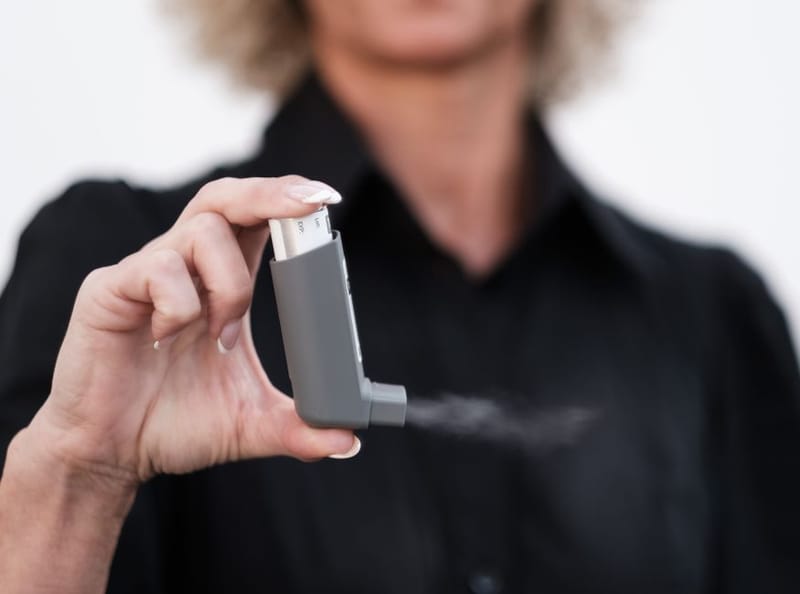
If you have asthma or COPD, the most important thing to know up front is that a smart ring is a wellness gadget, not a respiratory monitor. It can offer a little background context about your breathing trends, but managing these conditions safely depends on prescribed devices and a plan agreed with your clinician, not on a ring.
What a smart ring cannot do for asthma or COPD
Be clear about the limits before anything else. A smart ring cannot diagnose asthma or COPD (chronic obstructive pulmonary disease, a long-term lung condition that makes breathing harder over time). It cannot measure lung function the way a peak flow meter or spirometer does, it cannot detect an asthma attack or a COPD flare-up as it happens, and it must never be used to decide whether to take medication or seek help.
Those decisions belong to your personalised asthma or COPD action plan and the devices your clinician has prescribed. A ring sits entirely outside that, as optional background information.
What signals can a smart ring offer?
Within those limits, a ring tracks two things that have some loose relevance to respiratory health. The first is your overnight resting respiratory rate, which is usually very stable from night to night; a sustained rise above your personal baseline can accompany a developing chest infection or illness, which for some people is a useful nudge to pay closer attention.
The second is overnight blood oxygen (SpO2), an estimate of how well your blood is oxygenated. A consistent dip below your usual range may be worth mentioning to your clinician. The key word is trends: a single odd reading means little, and neither figure is a substitute for the monitoring your care team relies on.
Why is ring blood oxygen not medical grade?
Consumer rings estimate SpO2 with the same optical sensor they use for heart rate, and the result is not equivalent to a medical pulse oximeter. Pulse oximetry accuracy is affected by movement, cold fingers, fit, and skin tone, with research showing readings can be less reliable on darker skin. Rings also sample overnight rather than continuously on demand.
For general wellness that is fine. For a lung condition where oxygen levels genuinely matter, it is not good enough to act on, which is exactly why clinicians issue medical-grade devices when continuous oxygen monitoring is needed.
How can you use a ring sensibly with a lung condition?
Follow your action plan first
Your prescribed inhalers, peak flow meter and written action plan are what keep you safe. Treat the ring as optional extra context, never as the primary tool.
Watch trends, not single nights
If you use the data at all, look at sustained changes in resting respiratory rate or overnight oxygen over days, not one reading.
Share patterns with your clinician
A persistent change can be worth raising at a review. Bring it as context for the conversation, not as a self-diagnosis.
Never delay seeking help
If you feel breathless or your symptoms worsen, act on your action plan immediately. Do not wait to check or trust a ring reading.
When should you seek medical help?
Worsening breathlessness, needing your reliever inhaler more often, a persistent cough or a change in mucus, or symptoms that are not responding to your usual treatment all warrant contacting your GP or following the urgent-care steps in your action plan. Severe breathlessness, blue lips or an inhaler that is not working are medical emergencies.
None of these calls should ever depend on a smart ring. Organisations such as the NHS and Asthma + Lung UK provide proper guidance and personalised action plans; a wearable is no substitute for either.
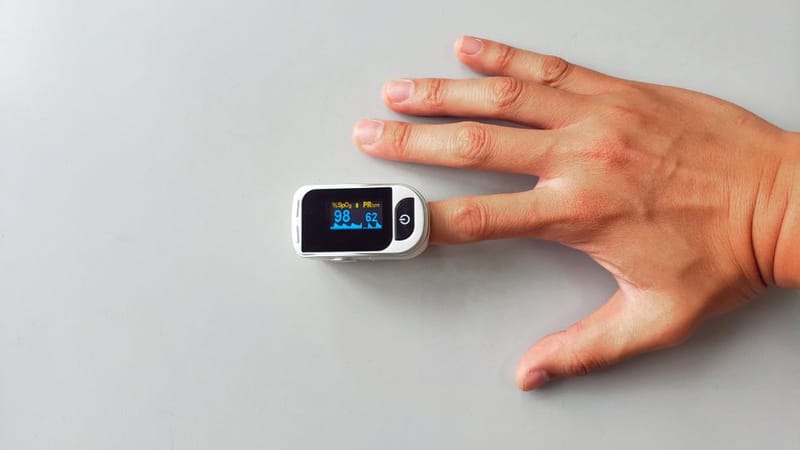
Blood Oxygen (SpO2) Accuracy

Respiratory Rate Accuracy
Smart Ring Health Metrics Explained
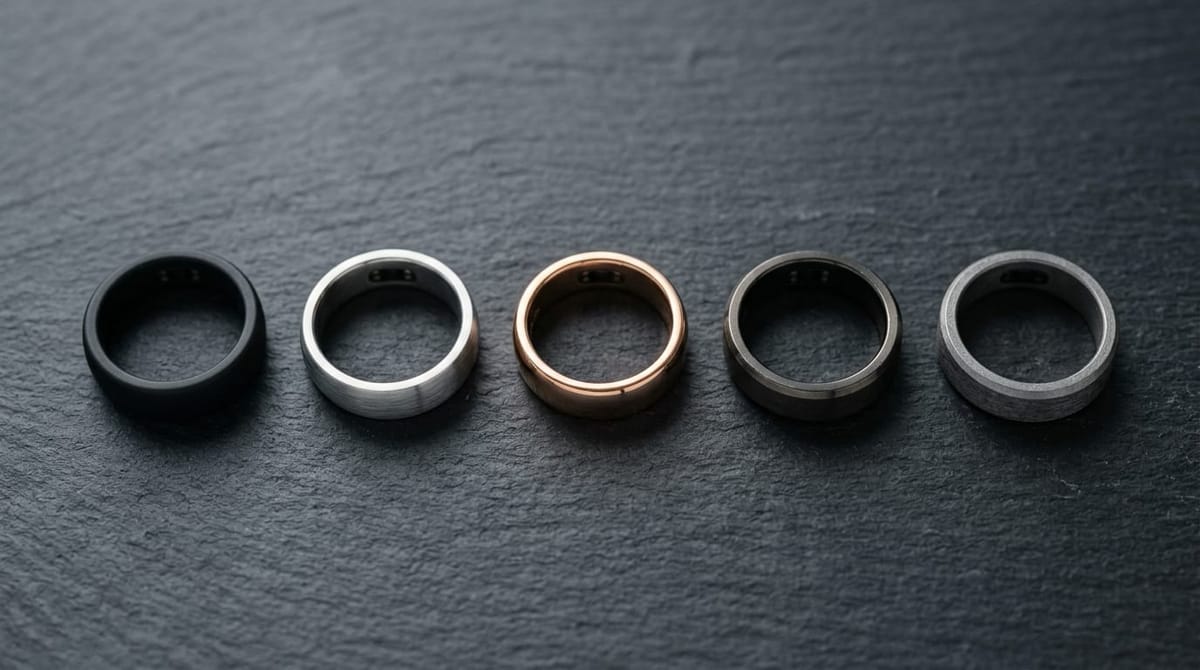
Best Smart Rings 2026
Frequently asked questions
Can a smart ring detect an asthma attack?
Is a smart ring's blood oxygen reading accurate enough for COPD?
Can a smart ring replace a peak flow meter?
Is a smart ring useful at all if I have a lung condition?
What should I do if my ring shows low oxygen overnight?
Compare the latest smart rings
See how the most accurate smart rings of 2026 measure up on sensors and comfort.