Smart Ring + Garmin Connect Integration UK 2026
Smart ring + Garmin Connect UK 2026: which rings sync (Oura via 3rd-party), Body Battery vs ring HRV, runners' dual-device workflow.
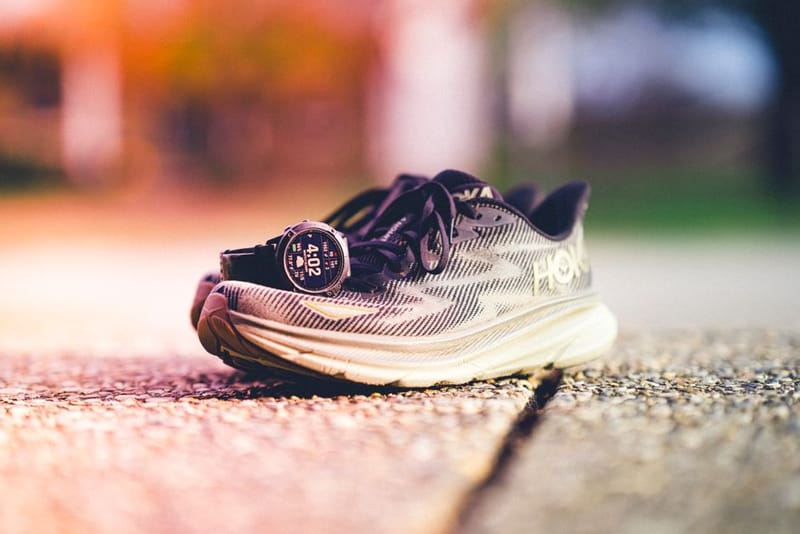
UK runners and triathletes who already use Garmin watches face a specific decision when considering smart rings: which ring works with Garmin Connect, and how do dual-device workflows actually function? This guide covers the realistic integration options in 2026, how Body Battery compares to ring readiness scores, and practical dual-device workflows for UK Garmin users.
Which smart rings integrate with Garmin Connect?
The integration landscape for UK smart rings + Garmin Connect in 2026:
- Oura Ring 4 - usable via third-party. No native Oura-to-Garmin integration but Health Sync (Android) and RunGap (iOS) bridge sleep + HRV data into Garmin Connect. Setup takes about 5 minutes. Most UK Garmin users report this works reliably.
- RingConn Gen 3 - no Garmin integration. Data stays in the RingConn app. Manual comparison only.
- Ultrahuman Ring Pro - no native Garmin integration. Apple Health export available, which routes to some Garmin features but not Body Battery.
- Samsung Galaxy Ring - no Garmin integration. Locked into Samsung Health ecosystem.
For UK Garmin users who want a smart ring, Oura is essentially the only viable choice. The third-party sync route works but adds complexity that ring users should accept upfront.
Body Battery vs ring readiness - what's different?
Both Garmin Body Battery and Oura's readiness score predict daily energy/recovery state, but they're built from different inputs and don't always agree:
- Body Battery (Garmin) inputs: wrist HRV + activity intensity + stress events. Particularly strong during exercise data given Garmin's exercise-focused heritage.
- Oura readiness inputs: sleep quality + finger HRV + RHR + body temperature trends + recent activity. Strong on sleep + recovery; less granular on exercise events.
- Why they disagree. Body Battery weights exercise more heavily. Oura weights sleep more heavily. After a poor night's sleep, Oura readiness will drop dramatically; Body Battery may show moderate impact only.
Practical UK runner workflow: use Oura readiness as the morning go/no-go signal for hard workouts (sleep-weighted is more conservative which protects recovery). Use Body Battery for in-session intensity decisions (exercise-weighted is more accurate for active assessment). They complement rather than duplicate.
Setting up the Oura + Garmin Connect bridge
The Health Sync bridge for UK Oura + Garmin users in 2026:
- Step 1: Install Health Sync (Android) or RunGap (iOS). Both have free tiers; full sync requires £4-£8 annual subscription.
- Step 2: Authorise Oura connection. Health Sync requests Oura cloud access via OAuth. One-time setup.
- Step 3: Authorise Garmin Connect connection. Health Sync requests Garmin Connect write permissions. One-time setup.
- Step 4: Configure which metrics sync. Sleep + HRV typically the main targets. Activity / step counts usually better left to Garmin watches.
What syncs reliably: sleep duration, sleep stages, HRV. What doesn't sync: Oura's readiness score, contributors (no Garmin equivalent), body temperature trends. Set realistic expectations - you'll see Oura sleep data in Garmin Connect but not the full Oura ecosystem.
Practical UK runner workflows
Three workflows UK runners commonly use with Oura + Garmin:
- Sleep on Oura, exercise on Garmin (recommended). Wear the Oura at night for sleep + recovery tracking. Wear the Garmin watch during exercise + daily activity. Bridge sleep data into Garmin Connect via Health Sync. Best of both ecosystems.
- Full-time Oura + Garmin for runs only. Wear Oura 24/7 for comprehensive tracking. Strap on Garmin watch for runs only. The Oura data feeds Garmin Connect; Garmin captures the run details. Works but Garmin's daily activity tracking gets sparse.
- Garmin watch only (skip the ring). If you're already deep in Garmin's ecosystem and don't want the third-party bridge complexity, a Garmin watch (Forerunner, Fenix, Venu) covers sleep + HRV + Body Battery without the integration layer.
For most UK Garmin users considering Oura, workflow 1 is the most reliable + comfortable. Workflow 3 is reasonable if you don't want to manage two devices.
What about Garmin's own ring?
As of mid-2026, Garmin has not released a smart ring. There are persistent rumours of a Garmin ring in development - patent filings appeared in 2024 + early 2025. If Garmin does release a ring, integration with Garmin Connect would be seamless and would change the recommendation in this guide substantially.
For UK Garmin users wanting smart ring tracking today: Oura with Health Sync remains the best option. Monitor Garmin's release schedule if you can wait 6-12 months for a potential first-party ring.
Frequently asked questions
Does Apple Health bridge Oura data into Garmin Connect?
Can I use Oura readiness instead of Body Battery for hard workout decisions?
Will Garmin's training load metrics work with smart ring data?
What's the best Garmin watch to pair with a smart ring?
Does RingConn work with any Garmin features?
What if Health Sync stops syncing?
The bottom line
For UK Garmin users in 2026, smart ring integration is limited but workable: Oura Ring 4 is essentially the only viable smart ring choice, with Health Sync (Android) or RunGap (iOS) as the bridge to Garmin Connect. RingConn and Ultrahuman have no Garmin integration. Samsung Galaxy Ring is Samsung-locked.
Best workflow: wear the Oura at night for sleep + recovery, wear the Garmin watch during exercise + daily activity, bridge Oura sleep data into Garmin Connect via Health Sync. Use Oura readiness for morning go/no-go decisions and Body Battery for in-session intensity decisions.
For specific smart ring reviews, see our Oura Ring 4 review, RingConn Gen 3 review, and Ultrahuman Ring Pro review. For Garmin's UK product range, see Garmin UK.