Smart Ring Nickel Allergy + Safer Materials UK 2026
Nickel allergy and smart rings UK 2026: hypoallergenic materials, titanium vs stainless steel, ceramic coatings, brand-specific options.
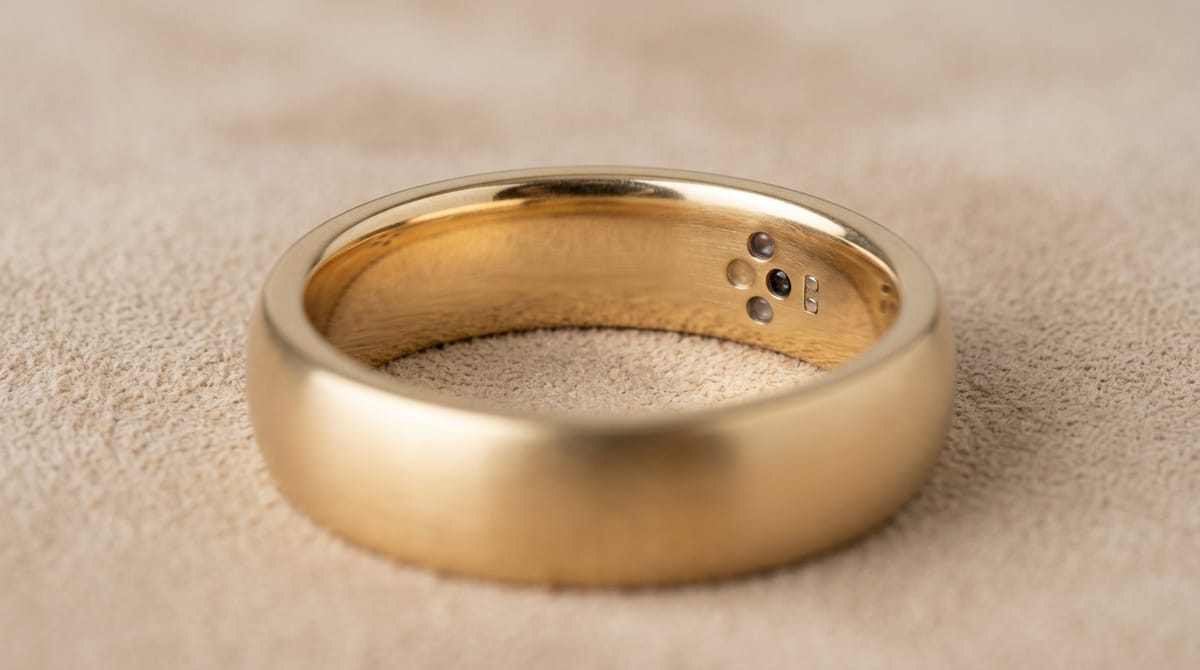
Nickel allergy and smart rings is a real concern for ~17% of women and ~3% of men in UK 2026. Smart rings worn 24/7 mean any nickel exposure compounds into a sustained skin reaction. This guide compares materials, ranks brand options, and explains what to look for when buying.
Why do smart rings amplify nickel allergy risk?
24/7 wear vs occasional jewellery.
Nickel allergy prevalence UK 2026:
- ~17% of UK women and ~3% of UK men have diagnosed nickel allergy.
- Caused by repeated skin contact with nickel-containing alloys.
- Most common allergic skin reaction in the UK.
- Symptoms: redness, itching, swelling, eczema-like rash at contact site.
Why smart rings amplify the risk:
- Worn 24/7 (sleep tracking + activity tracking).
- Constant skin contact at one location (finger).
- Sweat increases nickel release from alloys.
- Tight fit (rings sit close to skin with limited air flow).
- Repeated wear builds sensitisation over months.
How nickel allergy develops:
- First exposure: no symptoms (sensitisation phase).
- Repeated exposure: immune system develops allergy.
- Subsequent exposure: skin reactions appear within hours of contact.
- Once sensitised, allergy is typically permanent.
UK regulation:
- EU/UK regulation limits nickel release from jewellery and skin-contact products.
- 'Nickel-free' label means below regulatory threshold, not absolute zero.
- Quality smart rings test against this standard.
Which smart ring materials are safest for nickel allergy?
What to look for in product specs.
1. Pure titanium (Grade 2 or Grade 5):
- Virtually no nickel content.
- Hypoallergenic - safe for vast majority of nickel-allergic users.
- Lightweight, durable, corrosion-resistant.
- Common in premium smart rings (Oura, Ultrahuman, Samsung Galaxy Ring).
- Risk: very low (essentially zero for grade 2 commercially pure titanium).
2. Niobium:
- Hypoallergenic by composition.
- Rare in smart rings (more common in body-jewellery).
- Risk: very low.
3. Tungsten carbide:
- Low nickel content typically.
- Very durable.
- Heavier than titanium.
- Used in some specialist smart rings.
- Risk: low (verify product spec for nickel binder content).
4. Ceramic-coated metal (PVD or DLC coating):
- Base metal (titanium, steel) coated with ceramic layer (zirconium, titanium nitride).
- Coating prevents direct skin contact with base metal.
- Safe IF coating intact.
- Risk: low when new; rises with scratches or coating wear.
- Ultrahuman Ring Air uses PVD-coated titanium.
5. Surgical stainless steel (316L):
- Contains ~8-10% nickel.
- Nickel release is low but present.
- Most nickel-allergic users tolerate brief contact; sustained 24/7 wear may cause reaction.
- Risk: medium (try patch test before committing).
6. Generic stainless steel:
- Nickel content varies widely.
- Lower-grade steels may exceed UK release thresholds.
- Risk: medium to high - avoid if nickel-allergic.
7. Gold-plated base metals:
- Gold layer over copper, brass or stainless steel.
- Safe while plating intact (typically 6-24 months on rings).
- Risk: rises rapidly as plating wears through.
- Not recommended for nickel-allergic users.
Which smart ring brands are safest for sensitive skin?
What you're actually buying.
Oura Ring Gen 4 (UK 2026):
- Material: Titanium body, ceramic interior surface.
- Nickel risk: very low (titanium is safe; ceramic interior adds extra protection).
- Best choice for nickel-allergic users.
Ultrahuman Ring Air (UK 2026):
- Material: Titanium with PVD coating.
- Nickel risk: very low IF PVD intact.
- Verify coating condition over 12-18 months; PVD can scratch on hard surfaces.
Samsung Galaxy Ring (UK 2026):
- Material: Titanium frame, internal sensors.
- Nickel risk: very low.
- Good choice for Samsung-ecosystem users with nickel allergy.
Circular Ring Slim (UK 2026):
- Material: Polymer outer + stainless steel internal components.
- Skin contact mostly polymer.
- Risk: low if outer intact; verify specific contact points.
Generic Amazon smart rings (variable brands):
- Material: typically stainless steel or unspecified alloys.
- Nickel risk: medium to high - varies by manufacturer.
- Not recommended for nickel-allergic users without patch testing.
RingConn Gen 2 (UK 2026):
- Material: Titanium outer + stainless steel base.
- Skin contact: primarily titanium.
- Risk: low to medium - verify with specific product spec sheet.
What should you do if your ring causes a reaction?
Practical management.
If you develop a reaction wearing a current ring:
- Stop wearing immediately - sustained contact worsens reaction.
- Wash finger gently with mild soap and water.
- Apply hydrocortisone 1% cream for 3-5 days (over-the-counter in UK).
- If severe or persistent: see GP / dermatologist.
Once recovered:
- Get nickel patch test confirmed via NHS or private dermatologist.
- Switch to verified titanium ring (Oura, Ultrahuman, Samsung Galaxy Ring).
- Don't reuse the reaction-causing ring.
Reactions don't always appear immediately:
- First-time wearers can take 3-12 months for sensitisation.
- Once sensitised, reactions appear faster on subsequent exposures.
- Don't assume early tolerance means safe long-term.
How do you choose a hypoallergenic smart ring?
Pre-purchase verification.
Before purchasing a smart ring with known nickel allergy:
- Check product spec sheet for material breakdown.
- Look for 'titanium' as the primary skin-contact material.
- Avoid generic 'stainless steel' descriptions without grade specified.
- Verify brand's return policy (30+ day window minimum).
- Check user reviews for nickel-reaction reports specifically.
- For coated rings: research expected coating longevity.
Red flags to avoid:
- Generic stainless steel without grade specification.
- 'Hypoallergenic' marketing without material disclosure.
- Unbranded or low-cost rings from unfamiliar manufacturers.
- Rings advertising under 30-day return windows.
Green flags to look for:
- Grade 5 or commercially pure titanium specifically.
- UK/EU compliance with REACH nickel regulations.
- 30+ day money-back return window.
- Premium brand with established hypoallergenic credentials.