RingConn Gen 2 Air Review 2026: Best Budget Ring?
The Gen 2 Air is the smart ring to buy if you want Oura-style tracking without the monthly fee and barely-there weight. Choose the standard Gen 2 only if sleep apnoea alerts or the portable charging case matter to you. Score 4.1/5.
Strengths
- Featherweight at 2.5–4 g - easy to forget you are wearing it
- No subscription: every metric is included with the hardware
- Up to 10-day battery life, far ahead of most smartwatches
Watch outs
- Drops the standard Gen 2's sleep apnoea monitoring
- Charges on a desk dock rather than a portable case
- Companion app lacks the polish of Oura and Ultrahuman
- Weight 2.5 – 4 g (by size)
- Profile 2 mm thick, 6.8 mm wide
- Material "Titanium steel" (PVD-coated stainless alloy)
- Battery life Up to 10 days
- Charging Magnetic dock, ~90 min full
- Water resistance IP68 (100 m / 328 ft)
We may earn a commission if you buy through this link - it never changes the price you pay or our editorial verdict.
As an Amazon Associate I earn from qualifying purchases.
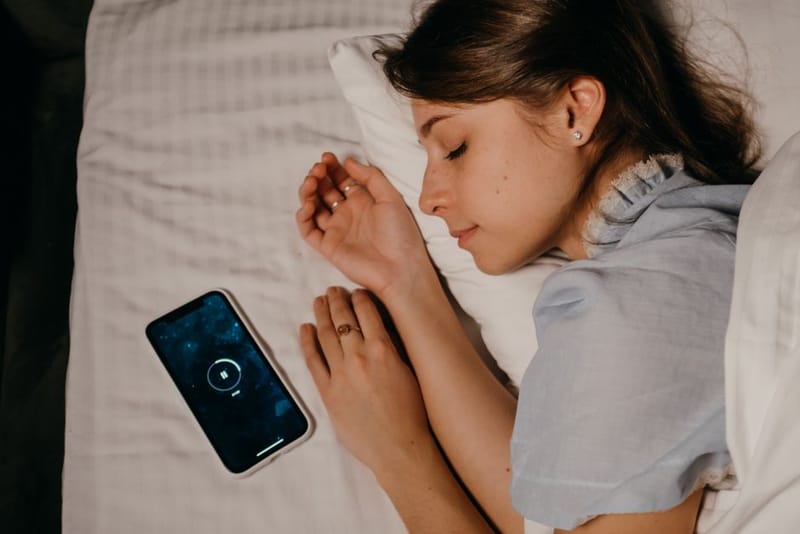
This RingConn Gen 2 Air review covers the lightest, cheapest-to-run ring RingConn currently sells. The Gen 2 Air is a smart ring (a wearable that packs health sensors into a titanium-style band you wear on a finger), and its pitch is simple: Oura-grade sleep and heart data with no monthly fee and a body so light you stop noticing it.
What is the RingConn Gen 2 Air?
The Gen 2 Air is RingConn's entry model, sitting below the standard Gen 2 and the flagship Gen 3. RingConn markets its shell as "titanium steel", which in practice is a PVD-coated stainless alloy rather than the full titanium of the pricier Gen 2. At 2 mm thick and 2.5–4 g depending on size, it is among the slimmest rings you can buy.
Inside is the sensor stack that matters: optical heart rate, blood oxygen (SpO2 - the percentage of oxygen your red blood cells are carrying, measured with pulse oximetry), skin temperature, respiratory rate and a motion sensor for activity and sleep staging.
How is it different from the standard Gen 2?
Four things separate the Air from the standard Gen 2. The Air's battery is rated to 10 days versus the Gen 2's 12; it ships with a magnetic desk dock instead of the Gen 2's pocketable charging case; it comes in two finishes rather than four; and - the one that may decide it for some buyers - it leaves out sleep apnoea monitoring.
Everything else is shared: the same core sensors, the same subscription-free app, the same IP68 rating. If you do not need apnoea alerts and rarely charge away from a desk, the Air gives up very little for its lower price and lighter feel.
How accurate is the sleep and heart tracking?
Finger-worn sensors sit against a stronger pulse signal than wrist wearables, and the Gen 2 Air benefits. Overnight resting heart rate, heart-rate variability (HRV - the beat-to-beat variation that tracks recovery and stress) and SpO2 trends line up closely with established rings in independent testing. Sleep-stage splits are directional rather than clinical, which is true of every consumer ring, so treat the nightly breakdown as a trend line, not a lab report.
The honest weak spot is software. The companion app is functional and quick, but its insights are thinner and less coaching-led than Oura's or Ultrahuman's. You get the data; you do less hand-holding on what to do with it.
Is the battery life good?
Yes. Ten days of real-world use is the headline, and it holds up unless you run continuous SpO2 every night. That is roughly three to four times what a smartwatch manages and removes the daily-charge habit entirely. The 90-minute top-up on the magnetic dock means a single coffee break covers most of a week.
How does it compare to Oura and Samsung?
On price, the Air undercuts the field. The Oura Ring 4 lands around £349 plus that monthly membership; the Samsung Galaxy Ring is roughly £399 and leans on the Samsung phone ecosystem; the Ultrahuman Ring Air sits near £329. The Gen 2 Air delivers the same everyday metrics - sleep, readiness-style scores, HR, HRV, SpO2, temperature - for less money and zero recurring cost.
Where the rivals pull ahead is polish and ecosystem depth. If a refined app and richer coaching matter more than price, Oura still leads. If value and battery lead your list, the Air wins. For the step up in build and features, our RingConn Gen 3 review covers the flagship.
Who should buy the Gen 2 Air?
Buy it if you want trustworthy sleep and recovery data, hate subscriptions, and prize a ring you forget you are wearing. It is the strongest first smart ring for the money in 2026. Look elsewhere only if you specifically need sleep apnoea screening, want the most polished app on the market, or charge away from a desk often enough to miss the portable case.
Frequently asked questions
Does the RingConn Gen 2 Air need a subscription?
How much does the Gen 2 Air cost in the UK?
What does the Air drop compared to the standard Gen 2?
How long does the battery last?
Is it waterproof?
Check the current Gen 2 Air price
Pricing shifts often and the Air is regularly discounted below its £239 launch price.