RingConn Gen 2 Review 2026: Cheapest Smart Ring Worth It?
The RingConn Gen 2 is the cheapest credible no-subscription smart ring in 2026 - £259 buys you the full feature set, a 10 – 12 day battery (the longest in the category), and a charging case in the box. Sleep-stage and HRV accuracy lag Oura by a noticeable margin and Ultrahuman by a smaller one, the app is functional rather than polished, and water resistance is a step below 10 ATM rivals. Recommended for budget-led buyers who would resent any subscription and value battery longevity over the most refined sleep data. Score: 3.9 / 5.
Strengths
- Cheapest credible smart ring in the 2026 flagship tier at £239 / $279 - undercuts both Oura (£349) and Ultrahuman (£329) on hardware
- 10 – 12 day real-world battery life is roughly double the rest of the category and the single biggest practical advantage
- Charging case in the box gives multiple top-ups without finding the puck, which matters more in everyday use than spec sheets suggest
Watch outs
- Sleep-stage and HRV algorithms trail Oura by a noticeable margin and Ultrahuman by a smaller one in independent comparison testing
- 5 ATM water resistance is fine for showering and shallow swimming but a real step below the 10 ATM rivals for water sports use
- App is functional rather than narrative - fewer guided insights, more raw-number dashboard than Oura or Ultrahuman provide
- Form factor Smart ring with portable charging case
- Material Tungsten carbide shell, hypoallergenic inner
- Weight 2.0 – 3.0 g
- Sizes US 6 – 14 (free sizing kit)
- Finishes Pale Gold, Moonlit Silver, Black
- Sensors PPG (red + green), SpO2, temperature, 6-axis accelerometer
We may earn a commission if you buy through this link - it never changes the price you pay or our editorial verdict.
As an Amazon Associate I earn from qualifying purchases.
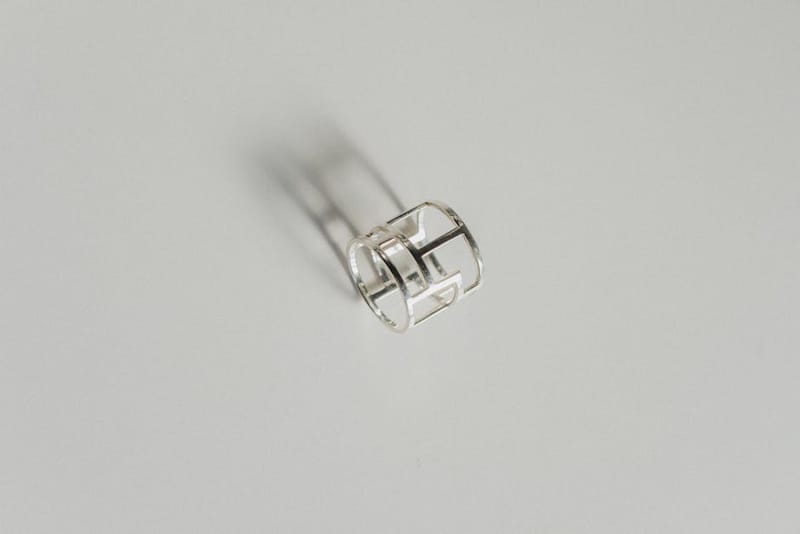
The RingConn Gen 2 is the price-led entry in the 2026 no-subscription smart-ring tier. At £259 in the UK ($279 in the US) it lands £90 below the Ultrahuman Ring Air and below the Oura Ring 4's hardware price - and well below Oura's real first-year cost once the £5.99/month membership is included. The Oura Ring 4 vs RingConn Gen 2 comparison walks through the subscription-vs-no-subscription decision in detail.
It carries the standard wearable sensor stack - PPG, SpO2, skin temperature, accelerometer - and offers two things the competition does not: a 10-to-12 day battery life that is genuinely category-leading, and a portable charging case included in the box. The trade-offs are honest and measurable: sleep-stage and HRV accuracy lag the more established brands, the app is utilitarian rather than narrative, and water resistance sits at 5 ATM rather than the 10 ATM seen on Oura and Ultrahuman.
Whether those trade-offs are worth the £90 – £180 saving is the question this review tries to answer.
What do you get for £239?
The Gen 2 is a tungsten-carbide-shelled smart ring weighing two-to-three grams depending on size and finish, comfortably lighter than the Oura Ring 4 (3.3 – 5.2 g) and roughly matching the Ultrahuman Ring Air (2.4 – 3.6 g). The sensor stack is standard - PPG with red and green LEDs, SpO2, skin temperature, and a 6-axis accelerometer - and water resistance is 5 ATM (~50 metres), enough for showering and shallow swimming but a real step below the 10 ATM Oura and Ultrahuman rating.
The headline advantage is battery. RingConn quotes up to twelve days; the realistic figure in independent reviews is 10 to 12, which is approximately double the rest of the category. A small portable charging case is included in the box and provides multiple top-ups without finding the original puck. For travellers and forgetful chargers, that is the most underrated quality-of-life difference in the 2026 smart-ring lineup.
How accurate is the RingConn Gen 2's sleep tracking?
Sleep is where the price gap shows up most. In independent comparison testing against polysomnography, the RingConn Gen 2's sleep-stage accuracy sits visibly behind Oura's class-leading algorithms and trails Ultrahuman by a smaller but measurable margin. Nightly directional accuracy - did I sleep well, did I get enough deep sleep - is fine and reliable. Absolute minute-by-minute stage accuracy is where the cheaper algorithms hand back ground.
For casual recovery awareness this rarely matters. For research-grade or athletic-performance use it does. If the sleep data is the primary thing you are buying the ring for, the £90 – £180 saving over Ultrahuman and Oura starts to look less like a win.
Resting heart rate, HRV and skin-temperature trending - the three metrics that compound over time - all track within an acceptable margin of the more expensive rings, with the same divergence between PPG wearables you would expect from any two devices in the category.
What's the battery, charging case and daily wear like?
Battery life is the Gen 2's headline. Ten to twelve days under typical sensor-on use is roughly double the four-to-seven day range you get from Oura or Ultrahuman, and it changes the wearing experience meaningfully. A weekly charge, performed during a shower, slots into routine in a way that a four-day charge cycle does not - fewer forgotten low-battery mornings, fewer interrupted nights of data.
The charging case in the box is the practical equivalent of true wireless earbud cases. It carries multiple full charges and lives in a bag or bedside drawer without ceremony. Full ring-from-empty charge takes 90 – 150 minutes in the case.
How is the app and the metrics ecosystem?
The RingConn app is functional rather than polished. The home screen is a dashboard of daily metrics - sleep score, HRV, stress, daily activity - with less of the guided narrative that Oura's app uses and less of the dense performance-and-metabolic framing Ultrahuman favours. For users who want to glance at numbers and form their own conclusions it is fine; for users who want the app to interpret the data for them, the experience is thinner.
Data export support exists for CSV downloads of the underlying metrics but the historical record is effectively tied to the RingConn app. The same closed-ecosystem limitation applies across the category - it is a smart-ring problem, not a RingConn-specific one.
What does the brand and long-term support look like?
One honest consideration that does not appear on a spec sheet: RingConn is a smaller and younger company than Oura (founded 2013, IPO-stage) and Ultrahuman (founded 2019, substantial Series B funding). Long-term firmware support, warranty fulfilment over multi-year ownership, and continued software development carry residual risk that a larger brand does not.
The risk is not enormous - RingConn has been shipping product since 2022 and has positive owner feedback on warranty turnaround - but for a £239 investment that is intended to last three-to-five years, it is a real consideration worth pricing into the buying decision.
Where does the Gen 2 fall short?
Three honest weaknesses. First, sleep-stage and HRV accuracy lag both Oura and Ultrahuman in independent comparison testing - fine for casual recovery use, less so for performance or medical use cases. Second, 5 ATM water resistance is a step behind the 10 ATM rivals and rules out heavier water sports. Third, the app feels closer to a logging tool than an interpretive coach - which is either a feature or a limitation depending on what you want from the device.
Which alternatives should you consider?
Two natural alternatives. The Ultrahuman Ring Air at £329 is the next-step-up no-subscription pick, with better app design, 10 ATM water resistance and a small but real accuracy advantage - worth the £90 premium if those matter and the budget can stretch. The Oura Ring 4 remains the accuracy benchmark at a real first-year cost of £349 hardware plus ~£72 of membership in year one - buy it if the subscription is acceptable and you want the most refined sleep and HRV data money can buy. The Amazfit Helio Ring goes further on price below the Gen 2 and leans on heart-health and recovery scoring tied to the Zepp ecosystem; choose it if you already wear a Helio Ring 8 or another Amazfit watch and want the rings paired in one app.
Who should buy the RingConn Gen 2?
Buy the RingConn Gen 2 if: you want a no-subscription smart ring at the lowest credible price, the 10 – 12 day battery is a real practical advantage for you (frequent travel, low charging routine), and you are happy treating the sleep data as directional rather than research-grade. The hardware-price saving is real and the no-subscription model is honest.
Skip the Gen 2 if: sleep-stage accuracy is the primary thing you are buying the ring for (choose Oura), you do water sports and need 10 ATM (choose Ultrahuman or Oura), or you specifically want a polished, narrative-driven app experience (choose Oura, with the subscription cost factored in).
Frequently asked questions
Is the RingConn Gen 2 really subscription-free?
How accurate is sleep tracking compared to Oura and Ultrahuman?
Does the 10-day battery really last that long?
Can I swim with the RingConn Gen 2?
Is RingConn a brand worth trusting for a multi-year purchase?
Check current RingConn Gen 2 pricing
Hardware-only price; no subscription required. Pricing and stock vary by finish and region.