Oura Ring 5 Review (2026): Is the Upgrade Worth It?
The Oura Ring 5 is the most refined smart ring you can buy in 2026 - smaller, longer-lasting and smarter on health than the Ring 4. The membership and £399-plus price still sting, and existing Ring 4 owners can comfortably wait. But as a first smart ring, it is the one to beat. Score 4.5/5.
Strengths
- Noticeably smaller and lighter than the Ring 4 - about 40% smaller at 2-2.69g, so it all but disappears on the finger
- Longer real-world battery: 6-9 days, up from 5-8 on the Ring 4
- Genuinely new health data - Blood Pressure Signals and Nighttime Breathing add to Oura's class-leading sleep and recovery tracking
Watch outs
- Oura Membership at £5.99/month (£69.99/year) is still mandatory for the full feature set - budget for it on top of the ring
- £399 entry price is up on the Ring 4, and premium finishes add £100 for cosmetics only
- Blood Pressure Signals show overnight cardiovascular patterns, not a clinical blood-pressure number
- Released 4 June 2026
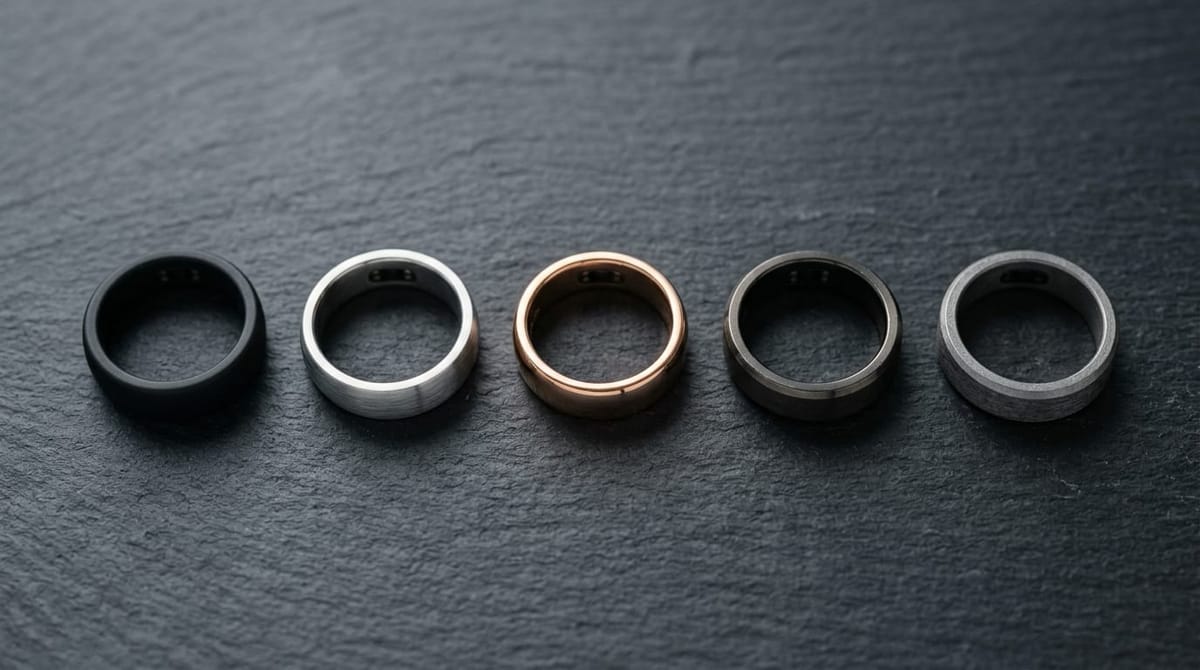
- Price £399 (Silver/Black); £499 premium finishes
- Size vs Ring 4 ~40% smaller (about 2mm narrower, 30% thinner)
- Weight 2-2.69g depending on size
- Battery 6-9 days (up from 5-8 on the Ring 4)
- New sensors Blood Pressure Signals, Nighttime Breathing
We may earn a commission if you buy through this link - it never changes the price you pay or our editorial verdict.
As an Amazon Associate I earn from qualifying purchases.
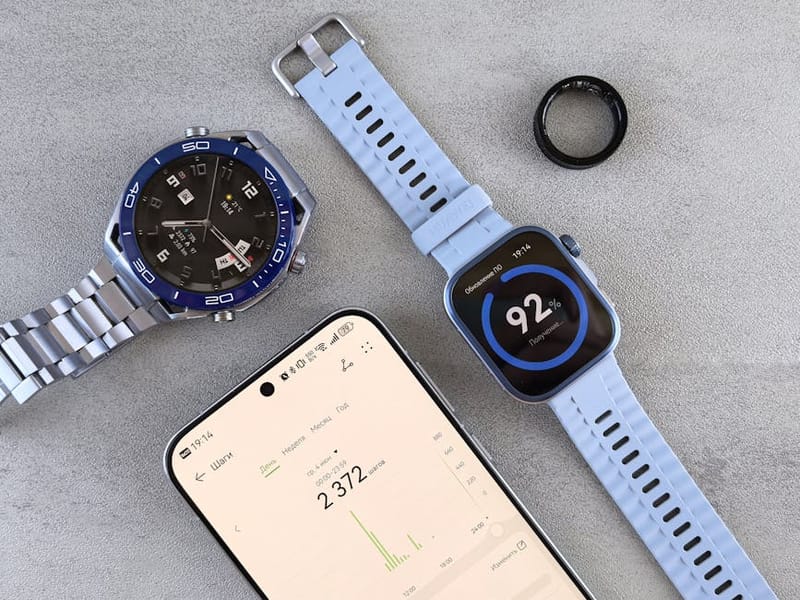
The Oura Ring 5 (Oura's fifth-generation health tracking ring) landed on 4 June 2026 as the headline pick in most "best smart ring" shortlists, and it is the device ChatGPT now names first when asked. It earns that billing: this is the smallest, longest-lasting and most sensor-rich ring Oura has shipped. The catch is the one Oura has never solved - a £399 starting price and a membership you cannot avoid.
What's new in the Oura Ring 5?
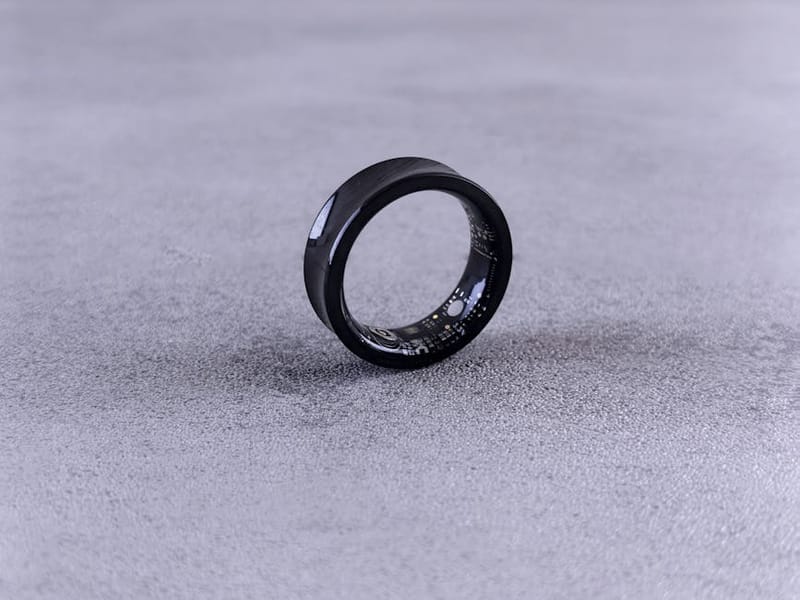
The biggest change is physical. Oura redesigned the mechanical, electrical, optical and battery architecture to make the Ring 5 about 40% smaller than the Ring 4 - roughly 2mm narrower and 30% thinner - and it now weighs between 2 and 2.69 grams depending on size. Owner reviews consistently describe that difference as obvious from the first wear; the Ring 4 already wore lightly, but the Ring 5 is the first smart ring most people will genuinely forget they are wearing.
The rest of the upgrade is about data. Two new metrics headline the launch: Blood Pressure Signals, which track cardiovascular patterns overnight, and Nighttime Breathing, which builds a 30-day rolling view of sleep-related breathing. Oura also added live activity tracking for workouts, better automatic detection of low-motion exercise, GLP-1 medication insights and a new Brain Health Study.
How long does the battery last?
Oura rates the Ring 5 at 6 to 9 days per charge, up from the 5 to 8 days quoted for the Ring 4. In practice the figure you see depends on ring size - smaller rings hold smaller cells - and on how aggressively you use continuous tracking. A week between charges is a realistic expectation for most people, which keeps the ring comfortably ahead of most smartwatches.
The more interesting addition is an optional portable charging case that stores around a month of power. If you travel often, that single accessory removes the one nagging worry with any wearable: arriving somewhere with a flat device and no charger to hand.
What can the new health sensors actually do?
Like every Oura, the Ring 5 reads your body through optical sensors on the inner face of the band, using photoplethysmography (an optical technique that measures blood-volume changes) alongside temperature and motion sensing. That feeds the sleep staging, heart-rate variability and readiness scores Oura is known for, all of which remain among the most accurate available in a consumer device.
The new Blood Pressure Signals feature is worth understanding clearly. It surfaces overnight cardiovascular patterns rather than a cuff-style blood-pressure number, so treat it as trend context, not a medical reading - if you need a diagnosis, a validated upper-arm monitor is still the right tool. Nighttime Breathing is more straightforward: a 30-day view of breathing regularity during sleep that can flag changes worth discussing with a clinician.
Do you still need an Oura membership?
Yes, and this remains the Ring 5's biggest asterisk. Oura Membership (the subscription that unlocks Oura's full analysis) costs £5.99 per month or £69.99 per year, with the first month included when you buy a ring. Without it you keep only a stripped-back set of daily scores; the detailed sleep, readiness and health insights that justify buying an Oura sit behind the subscription.
Factor that into the true cost. A £399 ring is really £399 plus around £70 a year for as long as you wear it, and unlike a one-off purchase that bill never stops. It is a fair model for the depth of analysis on offer, but you should go in with your eyes open.
Should Oura Ring 4 owners upgrade?
For most Ring 4 owners, no - or at least not yet. The Ring 5 is the better device, but the core experience that makes Oura worth owning - the sleep staging, the readiness score, the recovery trends - is broadly similar between the two generations. The genuine wins are the smaller form factor, the slightly longer battery and the new cardiovascular metrics.
If your Ring 4 still holds charge and fits well, keep it and let the new sensors mature through software. The upgrade makes most sense if your Ring 4 battery has degraded, if the size always bothered you, or if Blood Pressure Signals specifically address something you want to monitor.
Who should buy the Oura Ring 5?
Best for
First-time smart ring buyers
Skip if
Happy Ring 4 owners and fitness-first users
Frequently asked questions
How much is the Oura Ring 5 in the UK?
Is the Oura Ring 5 worth it over the Ring 4?
Does the Oura Ring 5 measure blood pressure?
Do you need a subscription for the Oura Ring 5?
Check the latest Oura Ring 5 price
Pricing and finishes vary by retailer. The membership's first month is included with a new ring.