Smart Ring for Marathon Training UK 2026
Smart rings for UK marathon training - HRV recovery, sleep optimisation, overtraining prevention. Oura, Ultrahuman, RingConn vs Garmin for endurance.
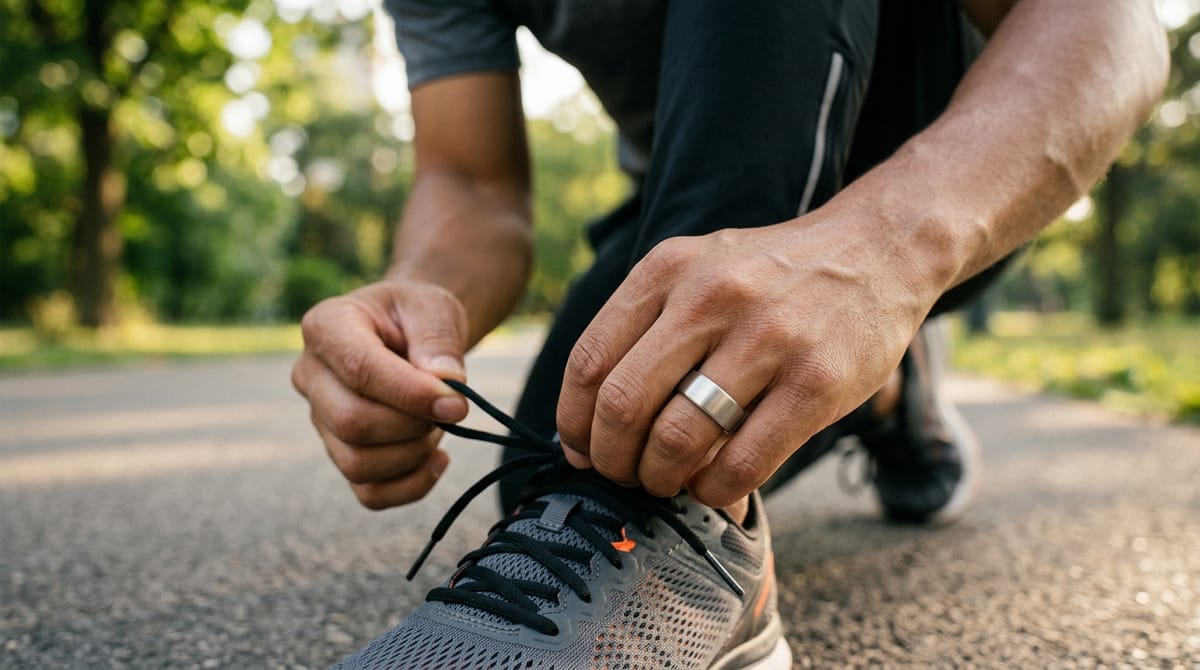
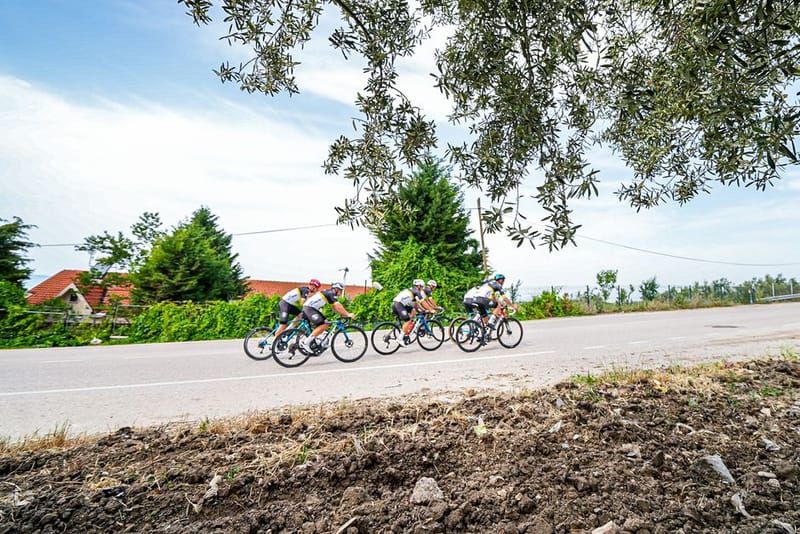
Marathon training is the highest-volume endurance commitment most UK adults take on - typically 12-20 weeks of accumulating mileage, with peak weeks of 50-70 miles for sub-3:30 runners and 40-50 miles for sub-4:00 runners. The training load is high enough that recovery management becomes the limiting factor, not capacity to do more work. Smart rings capture the recovery side of the equation in a way that a GPS watch alone doesn't - the ring tracks the 23 hours of the day where the body is supposed to be repairing. This guide covers how to use a smart ring alongside a running watch during marathon training.
What metrics actually predict overtraining?
Four metrics the ring tracks that meaningfully predict overtraining and injury risk:
HRV 28-day rolling average vs personal baseline. A sustained 15%+ decline over 4 weeks is the most reliable overtraining marker. The ring's longitudinal view shows this clearly. Single-day HRV is noise; the trend is the signal.
Sleep architecture changes. Reduced REM sleep is the earliest sleep-architecture warning sign. The ring's REM trend is more sensitive than total sleep duration as an overtraining marker. Volume training that drops REM sleep by 20%+ for 2+ consecutive weeks is in the overtraining zone.
Resting heart rate elevation. The overnight resting HR should drop during a marathon block as cardiovascular adaptation occurs. If resting HR is elevated 5+ bpm above baseline despite consistent training, the autonomic nervous system is in over-stressed state.
Recovery score / Readiness score sustained suppression. A single 'red' or 'low recovery' day is normal after a long run or threshold session. 3+ consecutive days of low recovery means the body isn't keeping up with the training load.
Which smart ring works best with a Garmin?
The smart ring + Garmin integration matters - data should flow without manual export.
Oura Ring 4 + Garmin. Oura's API integrates with Garmin Connect via third-party services (HealthFit, Health Auto Export). Garmin's Body Battery + Oura's Readiness give complementary daily scores. Most polished integration for serious runners.
RingConn Gen 3 + Garmin. RingConn integrates with Apple Health and Google Fit but the Garmin Connect link requires manual export or third-party syncing services. Functional but less seamless than Oura.
Ultrahuman Ring Pro + Garmin. Ultrahuman has direct Garmin Connect integration in 2026 for the Recovery PowerPlug. Combined with the Ultrahuman M1 CGM for runners experimenting with carbohydrate strategy and metabolic tracking during long runs, this is a sophisticated setup.
Samsung Galaxy Ring + Garmin. Less polished Garmin integration. Best for runners already using Samsung Health as the primary aggregator.
How do you use the ring data during marathon training?
Practical patterns for the 12-20 week training block:
- Use the ring's recovery score to choose easy-day intensity. If the score is green/high, run easy at the upper end of the easy zone (Zone 2 conversational). If it's amber/medium, run easy at the lower end. If it's red/low, take a complete rest day or do active recovery (walking, swimming).
- Don't use the ring score to skip planned hard sessions. Overtraining typically happens through gradual accumulation of inadequate recovery, not through one ill-advised hard session. The ring is more useful for adjusting the easy days correctly than for replacing the structured hard sessions.
- Track resting HR trend across the build phase. Resting HR should drop 2-5 bpm during the 8-12 week build period. If it's stable or rising, the body isn't adapting to the training load.
- Use HRV across the taper. The 2-3 week marathon taper should show HRV recovery to or above baseline by race day. If HRV is still below baseline 5 days before the race, consider a longer taper or recognising the race won't go to your potential.
- Compare year-on-year training data. Multi-year ring users can compare this year's training response to last year's. Improved baseline HRV at the same training volume is the strongest indicator of capacity expansion.
Frequently asked questions
Can I use a smart ring instead of a GPS watch for marathon training?
Which Garmin works best with a smart ring?
Is the Oura subscription worth it for marathon training?
Should I trust the ring's recovery score over how I feel?
Does the ring help with injury prevention?

Best Smart Ring for Athletes
HRV Explained for Smart Ring Users
Smart Ring + Cortisol Stress Management
Smart Ring vs Smartwatch