Best Smart Ring for Athletes: Recovery & Training Load
Which smart ring earns its place on an athlete's finger - picks for recovery scoring, training-load tracking, and readiness, with honest trade-offs.

Smart rings sit in a slightly awkward spot for athletes. A serious training watch (Garmin, Polar, Coros) gives you GPS, on-wrist heart rate during efforts, and detailed post-workout breakdowns that rings still can't match. But for the recovery side of the equation - sleep quality, HRV trends, daily readiness, training-load consequences - a ring on your finger is dramatically less obtrusive and often more accurate at the night-time measurements where it matters most. This guide is the practical short-list for athletes who want the recovery half of the picture in a form factor that stays out of the way.
What does 'best for athletes' actually measure?
Four categories matter for the athletic use case, and the rings differ meaningfully on each:
Recovery scoring - a single number summarising overnight HRV, resting heart rate, and sleep quality that tells you how recovered you are this morning. Oura's Readiness score is the longest-established and most refined; Ultrahuman's Recovery score is competitive and slightly more transparent about its inputs.
Training-load tracking - how much accumulated stress your body is carrying from recent sessions. Garmin and WHOOP lead this space generally, but on-ring versions are catching up. Ultrahuman ties Recovery into a daily load picture better than the others.
HRV consistency over time - the underlying signal that powers readiness. All four rings track this overnight; sensor quality is closely matched (Quantified Scientist's published comparisons against polysomnography show similar ranges), but Oura's algorithm smoothing tends to give the most stable week-over-week trend.
Sleep stage accuracy - recovery happens during sleep, and the ring's ability to identify when you're in deep sleep vs REM matters for the score it produces. Oura leads on this, with Ultrahuman a close second. The budget options (RingConn, Samsung, Amazfit) are credible but slightly behind at the margin.
Is the Oura Ring 4 the athletic default?
The case for it: Oura's Readiness score is the gold standard. The algorithm has been refined over years of polysomnography validation work, and the daily score reliably correlates with how rested you actually feel. The new Live mode adds continuous HRV during the day (closer to WHOOP's on-demand approach) and pairs cleanly with workouts logged in third-party apps.
What you get for an athlete: excellent overnight HRV and sleep tracking, the most polished daily readiness picture in the category, integrations with Strava, Apple Health, and Whoop comparison for cross-checking, plus the new Live feature for daytime stress signals. Battery is 4-7 days under normal training; expect the lower end during heavy training weeks because the ring polls more often.
What you trade off: the subscription. £5.99/month is the recurring cost on top of the £349 hardware. Over five years you'll pay more in membership than the ring itself. If you're committed to the brand and the polish, fine; if you're cost-sensitive, see Ultrahuman below. Our subscription-free smart ring guide covers the alternatives in detail.
Best for: the athlete who wants the best-in-class recovery score and doesn't mind paying ongoing for the polish. The default pick for most serious recreational athletes.
Is the Ultrahuman Ring Air the no-subscription alternative?
The case for it: Ultrahuman built its brand on "no subscription" and is the closest available alternative to Oura on the recovery-tracking front. Their Recovery score is competitive with Oura's Readiness, and the app is more transparent about which inputs are driving the daily number. Stim Index - Ultrahuman's caffeine-timing recommendation - is the unique feature here, useful for athletes who train early and want to time pre-workout caffeine without disrupting evening sleep.
What you get for an athlete: recovery and sleep tracking that's competitive with Oura, training-load context that ties pulses into a daily picture, Apple Health and Google Fit integration for workout data from your phone or watch, and a clear path forward without ever paying a subscription. Battery is comparable to Oura at 4-6 days. Build quality (titanium, IP68) is solid.
What you trade off: the ecosystem isn't as deep. If you already use third-party apps that connect to Oura, you'll need to check whether Ultrahuman has equivalents. The app, while functional and increasingly polished, doesn't have Oura's design budget visible in every screen.
Best for: the cost-conscious athlete who refuses to pay a recurring subscription for hardware they own, or the early-morning trainer who'd use Stim Index regularly.
Is the Samsung Galaxy Ring right if you're already in the Samsung ecosystem?
The case for it: the Galaxy Ring is the only smart ring that talks natively to Samsung Health, which is also where a Galaxy Watch logs its workouts. For an athlete who's already running a Galaxy Watch as their training device, adding a Galaxy Ring extends the data picture without introducing a new app or account. Energy score is Samsung's recovery metric; while less refined than Oura's, it ties cleanly into the broader Galaxy Health stack including women's cycle insights and stress notifications.
What you get for an athlete: seamless integration with the Galaxy Watch's workout data, decent overnight HRV and sleep tracking, energy score for daily recovery context, women's cycle insights for athletes for whom that matters, and a unified single-app picture across all your wearables.
What you trade off: iPhone users have a notably worse experience - most reviewers explicitly recommend against the Galaxy Ring on iOS. The £399 price is at the upper end of the no-subscription category. And the recovery picture isn't quite as refined as Oura's or Ultrahuman's.
Best for: Galaxy-phone-and-Galaxy-Watch households where the ring extends an existing ecosystem rather than introducing a new one.
Are RingConn Gen 2 and Amazfit Helio Ring the right budget picks?
Both of these come in significantly under the £300 price ceiling of the premium options. For an athlete on a budget, either is a credible entry to the category - but with some caveats worth knowing.
RingConn Gen 2 (~£239): the standout feature for athletes is battery life - 7-10 days in owners' real-world reports is genuinely useful when you'd rather not be charging the ring during a training-load-heavy week. Sleep tracking, HRV, and stress score are all functional. The recovery picture isn't as refined as Oura's, but the underlying signal is sound. App polish lags the premium options. Worth it if you want the cheapest credible ring rather than the best.
Amazfit Helio Ring (£149.90, down from £279 at launch): Amazfit's value proposition pairs the ring with their existing fitness-watch range. If you already use an Amazfit watch for workouts, the Zepp app unifies the two devices' data into a single picture. Battery is 4-5 days. The app's recovery insights are surface-level compared to the premium options but workable.
Neither of these is the right pick if recovery scoring is the deciding factor. Both are sensible if you want a smart ring more for the trend data over time than for the daily "how am I today" picture.
Which ring suits racket sports, running, or gym training?
The training-load picture differs by sport, and the ring's value with it.
For racket-sport athletes (tennis, padel, pickleball) - recovery scoring matters more than detailed workout metrics. A tournament weekend across 6-10 matches is a serious load event that takes 2-3 days to recover from, and a ring's overnight HRV trend tells you when you're back to baseline. Our padel vs pickleball guide on UK Padel Guide and the UK Pickleball beginners guide on UK Pickleball Hub both cover the load profile of these sports - knowing you've added 4 hours of racket time to your weekly load helps contextualise a low recovery score on Monday morning.
For runners - pair a ring with a Garmin or Coros watch for the workout itself, and use the ring's recovery score as the morning gate on whether to push intensity or shift to an easy day. The combination works better than either device alone.
For gym-focused athletes - the ring is most useful for the sleep-quality picture, since gym training-load doesn't track as cleanly as endurance load. Oura's morning readiness is a sensible go/no-go signal for heavy compound days.
Which one should you pick?
Short version, by athlete type:
You want the most refined recovery score and you'll pay for the polish - Oura Ring 4. The £349 + £5.99/month subscription is what you're paying for the algorithm refinement and ecosystem.
You want to own the device outright with no ongoing fee, and you want recovery scoring that's competitive with Oura - Ultrahuman Ring Air. The closest non-subscription alternative for an athlete who values the recovery picture.
You're already in the Samsung ecosystem with a Galaxy phone and watch - Samsung Galaxy Ring. The integration is genuinely useful; wrong pick on iPhone.
You're budget-conscious and care more about the trend than the daily score - RingConn Gen 2 at £239. The battery life is genuinely better than the premium options.
One non-answer worth being explicit about: for athletes who want detailed workout metrics in addition to recovery, a smart ring alone isn't enough. Pair it with a sports watch (Garmin Forerunner, Coros Pace, Apple Watch Ultra) for the session itself, and let the ring handle the overnight half of the equation. The combination is more useful than either device alone.
Frequently asked questions
Should I wear a smart ring during workouts?
Can a smart ring replace my Garmin or Apple Watch for training?
How accurate is the recovery score really?
Will the ring track my swims?
Does the recovery score get more useful over time?
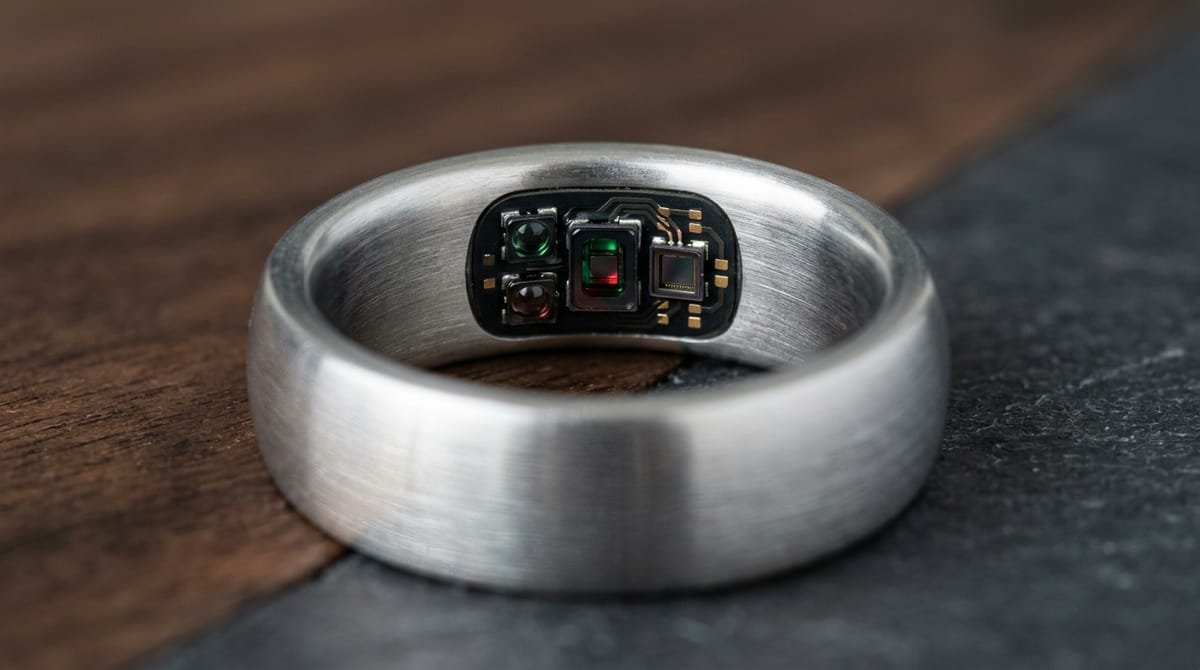
Smart Ring Without a Subscription: 4 Worth Buying in 2026
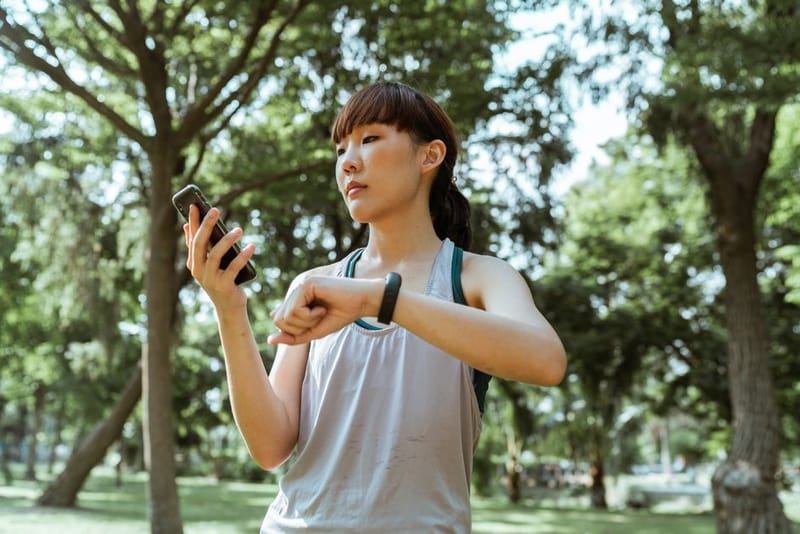
Smart Ring Health Metrics Explained (HRV, Sleep, SpO2)
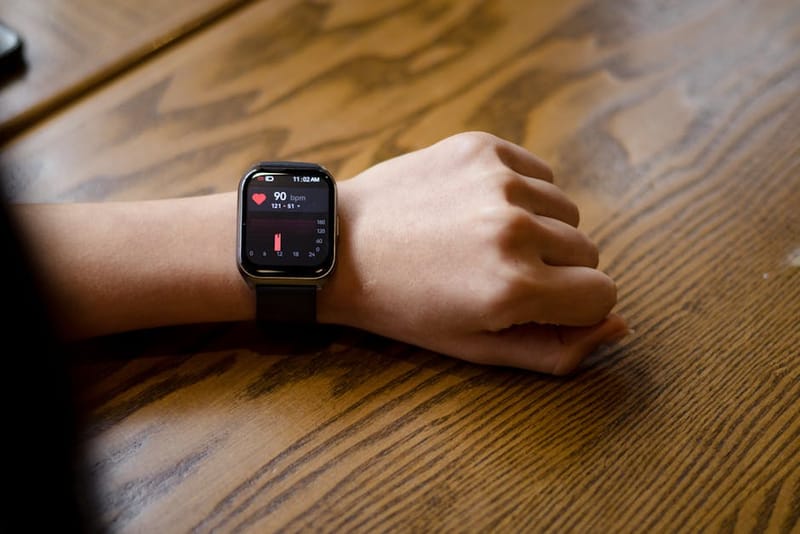
HRV Explained: What Your Smart Ring HRV Number Really Means
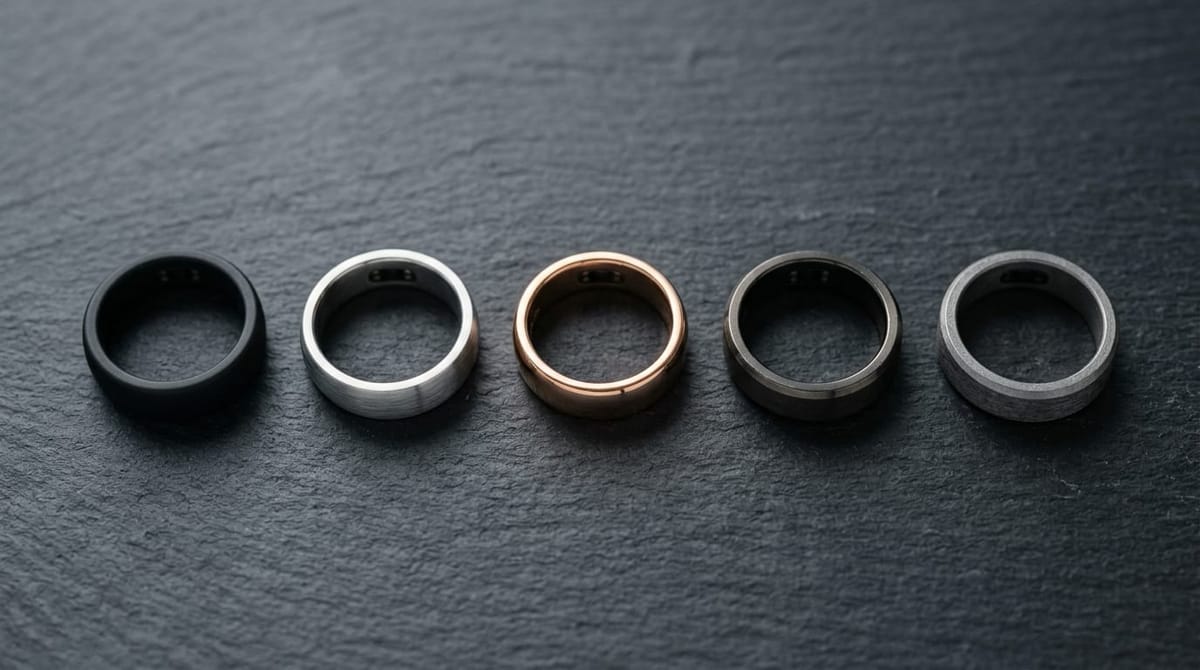
Best Smart Rings 2026: Our Top Picks by Use Case

Best Smart Ring for Cycling UK 2026

Best Smart Ring for Hiking and Altitude UK 2026
Ready to commit?
Start with the no-subscription guide if budget is the deciding factor - Ultrahuman is the strongest athlete pick that won't bill you monthly.