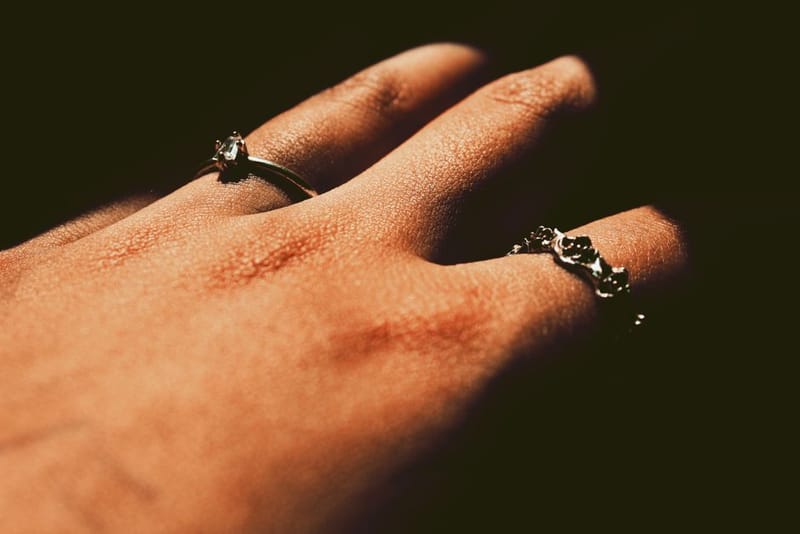
Which Finger Should You Wear a Smart Ring On?
Which finger should you wear a smart ring on? The index finger gives the best readings - here is why, which hand to choose, and the fit to aim for.

It seems like a trivial question, but the finger you choose genuinely affects how accurate your smart ring is. The ring reads your pulse through your skin, and some fingers give it a much cleaner signal than others. Get it wrong and your sleep and heart-rate data will be noisier than it needs to be.
The good news is that the answer is simple for most people: the index finger, on whichever hand is comfortable. But it is worth understanding why, because the fit and the finger work together, and the best choice depends slightly on your hands and your ring. Here is everything that actually matters.
Which finger gives the best smart ring readings?
The index finger is the standard recommendation, and the middle finger is a close second. Smart rings read your pulse using photoplethysmography (PPG - shining light into the skin and measuring how blood flow changes the reflection), and that needs the sensor to sit flush against an area with strong, steady blood flow. The index and middle fingers tend to give the cleanest, most consistent signal.
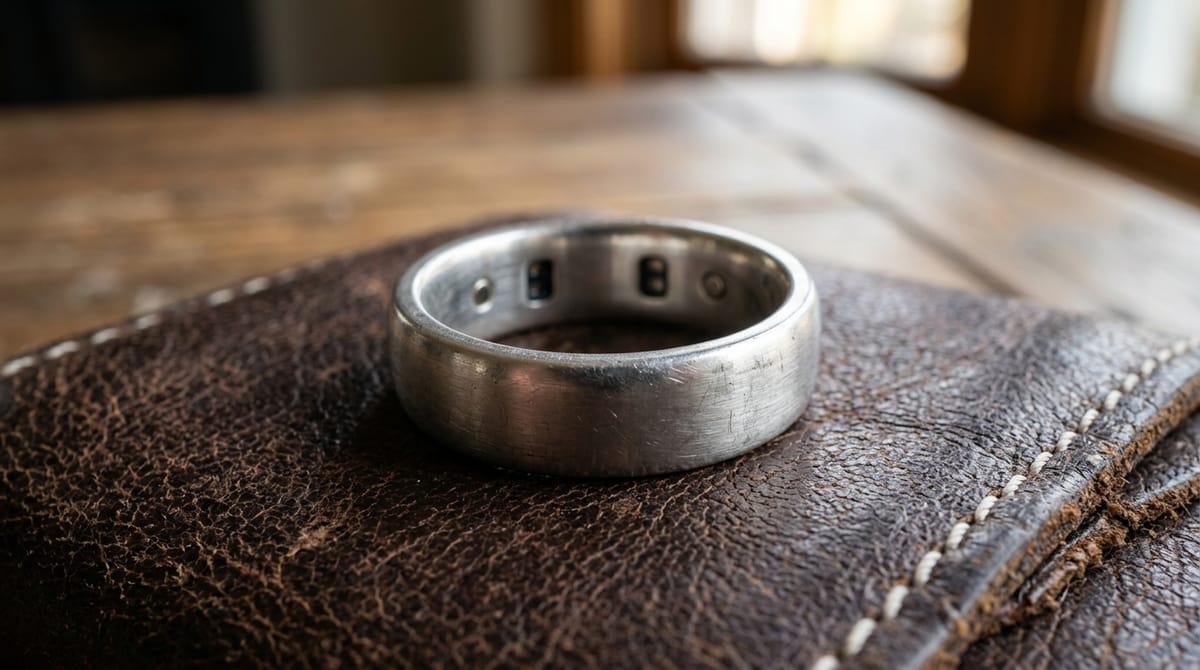
The ring finger works for some people but is often a slightly looser or more awkward fit, which lets the sensor drift away from the skin. Whatever finger you pick, the sensor side of the ring - the part with the small bumps inside - must sit on the palm side of your finger, facing the artery, not on the back of the hand. Most rings have a marking to help you orient it correctly.
Does it matter which hand you wear it on?
Either hand is fine, but there is a small case for the non-dominant hand. Your dominant hand does more gripping, typing and gesturing, and all that movement creates motion artefacts - brief moments where the sensor reading is disturbed. On the non-dominant hand, the ring sits more still, which can mean marginally cleaner data, especially during the day.
For sleep tracking - which is where rings shine - the hand barely matters, because you are still. So choose whichever hand feels more comfortable and is less likely to knock the ring during daily tasks. If you already wear a wedding or fashion ring, putting the smart ring on the other hand simply avoids crowding.
Why not the thumb or little finger?
Both make life harder for the sensor. The little finger is usually too thin and tapered, so the ring struggles to sit snugly and the sensor loses contact. It is also the finger most likely to fall between standard ring sizes, leaving you with a fit that is either too loose or too tight.
The thumb is the opposite problem: it is thick, highly mobile, and changes shape as you grip, so the ring shifts constantly and the signal suffers. Thumbs also rarely match the sizing kits, which are built around the slimmer fingers. Stick to the index or middle finger and the hardware works as intended.
What does the manufacturer recommend?
Most brands recommend the index finger as the default for the best signal, and supply their sizing kit with that in mind. Some let you choose a different finger as long as you size for it correctly. The key point is that a ring is sized for one specific finger - the same person can be a size 9 on the index and a size 11 on the middle finger, so the recommendation and the sizing are linked.
Always size for the finger you actually intend to wear it on, and follow your ring's own guidance over any general rule. If you are still choosing a model, our best smart rings guide notes how each brand handles sizing and fit, and the buying guide covers what else to weigh up.
How tight should a smart ring be?
Snugger than a normal ring, but not uncomfortable. A smart ring only works when the sensor stays in contact with your skin, so a fashion-loose fit that spins freely will give poor data. You want it to sit still without leaving a deep mark or restricting your finger. A good test: it should take a little effort to pull off over the knuckle.
Because the sensor contact is everything, fit matters more on a smart ring than on jewellery. If your reading quality is poor, fit is the first thing to check before blaming the hardware. Our full smart ring sizing guide walks through getting it exactly right and avoiding the swap-and-return cycle.
Frequently asked questions
What is the best finger for a smart ring?
Can you wear a smart ring on any finger?
Should a smart ring go on the dominant or non-dominant hand?
Which way round does a smart ring go?
Smart Ring Sizing Guide
Best Smart Rings 2026
Smart Ring Buying Guide
Smart Ring Long-Term Wear