Smart Ring Long-Term Wear (2026): Comfort, Skin, and Sizing
Smart ring long-term wear - skin irritation, finger swelling, sizing changes, removal during workouts. Real wearability questions before buying.
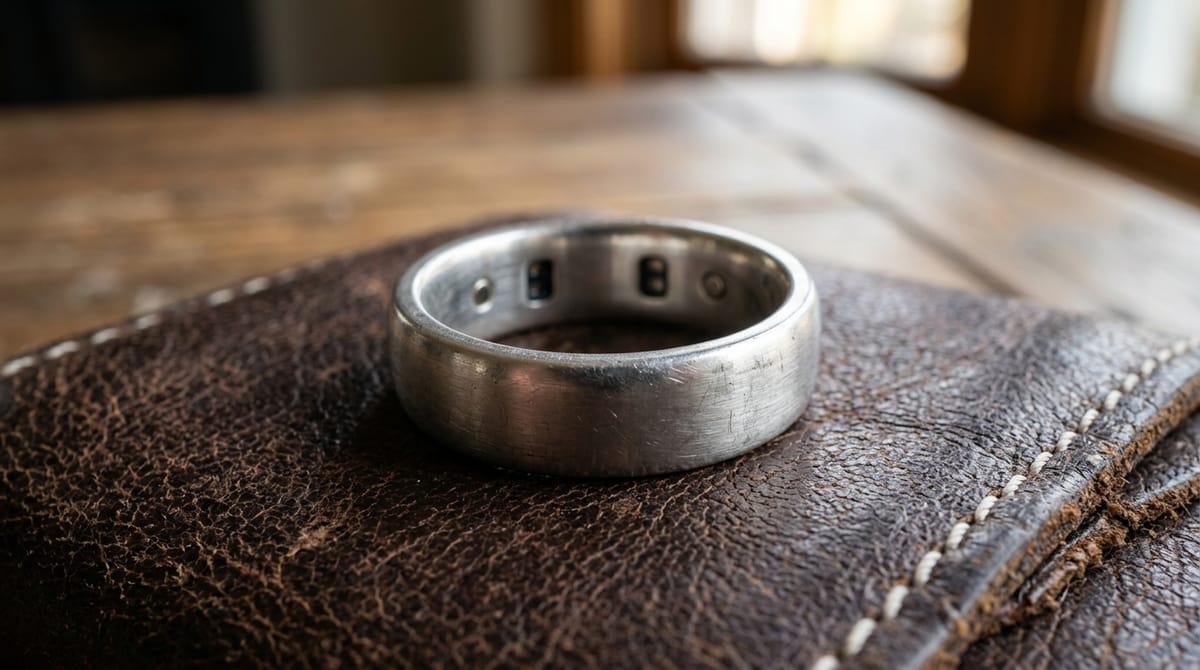
Most smart ring reviews focus on metrics and battery life. The wearability questions - the ones that determine whether you'll actually keep the ring on for 18+ months of meaningful data accumulation - get less attention. This guide covers the practical comfort, skin, and sizing issues that come up after a few months of 24/7 wear, with honest framing on what the brand sizing kits do and don't predict.
What are the five most common smart ring comfort issues?
Five issues come up across user reviews of all the major smart ring brands. None of them are deal-breakers for most users, but you should know about them before committing £299-£479 to a smart ring that needs to stay on your finger for 18 months to deliver its value.
1. Skin irritation under the ring. The most common complaint. Causes vary: trapped moisture (sweating in the gym, washing hands without drying), soap or hand-sanitiser residue accumulating under the ring, occasionally a contact allergy to the titanium (rare, more common with plated finishes than raw titanium). The fix is to remove the ring briefly during showers and hand-washing, dry the finger thoroughly, and clean both the ring and your skin with isopropyl alcohol weekly.
2. Finger swelling over months. Finger size genuinely changes - typically larger in hot weather, after exercise, after high-sodium meals, during pregnancy, and following weight gain. A ring that fits perfectly in winter may feel constrictive in summer. Slimmer ring profiles (Ultrahuman Ring Pro and RingConn Gen 3 at 2.5mm) accommodate small fluctuations better than thicker profiles (Oura Ring Gen 3 at 2.8mm). If the change is significant, brands offer resizing programmes typically at a one-time fee around £50.
3. Gym sessions where you have to remove the ring. Heavy lifting (deadlifts, barbell rows, pull-ups with chalk) can deform the ring profile or scratch it against the bar. Contact sports (boxing, jiu-jitsu, climbing) carry genuine injury risk - a ring finger plus a ring plus an impact equals avulsion risk. The standard practice across smart ring users is: remove the ring for serious lifting and all contact sports. The sleep + recovery data captures the result of the workout regardless.
4. Sleep-position pressure. Side sleepers who lie on the ring-side hand can develop a small pressure mark on adjacent fingers from the ring's hardness. Slimmer ring profiles minimise this. Some users switch ring fingers (typically index to middle) to find the position that doesn't aggravate sleep pressure.
5. Soap residue affecting PPG accuracy. Over weeks, soap residue and skin oils build up between the ring's inner surface and your finger, blocking the PPG (photoplethysmography) sensors. This degrades heart rate and SpO2 accuracy without producing an obvious sign. Weekly cleaning with isopropyl alcohol or a soft cloth is the fix.
How should you actually size a smart ring?
Smart ring sizing is meaningfully different from wedding ring sizing. The brand sizing kits exist because finger circumference alone doesn't capture the actual fit experience over 24 hours of wear.
Step 1: Order the free sizing kit. All major brands (Oura, Ultrahuman, RingConn, Samsung) ship the sizing kit free of charge before you buy the real ring. Don't skip this step - even if you know your wedding ring size, the smart ring's tubular interior with PPG sensors fits differently.
Step 2: Wear the sizing ring for 24-48 hours minimum. Include overnight sleep, at least one workout (or your most active activity), and at least one meal-induced finger size change (post-meal salt). The sizing ring should remain comfortable across all of these. If it loosens significantly overnight, size down. If it feels tight after exercise or salt, size up.
Step 3: Check the index vs middle finger trade-off. Most users default to index finger (where wedding rings sit). For smart ring purposes, the middle finger is often the better fit because: the middle finger circumference fluctuates less than the index, the PPG signal is stronger from the middle finger's deeper vasculature, and sleep-position pressure is less likely. Try both fingers with the sizing kit.
Step 4: Pick the size that feels right at both extremes of the day. The brand sizing guides all describe the same target: snug but not tight first thing in the morning (your smallest finger size), and firm but not constrictive in the evening (your largest). If neither extreme is comfortable, you're between sizes - go up one size, not down.
What if your finger size changes after you buy?
This is more common than first-time buyers expect. The big drivers of permanent finger size change:
- Weight loss or gain >5kg - usually means a size shift in either direction
- Pregnancy - significant swelling through the second and third trimesters; resize after birth
- Seasonal climate change - summer vs winter swing is typically half-a-size for most users
- Postpartum or breastfeeding - swelling typically takes 3-6 months to resolve
- Strength training progress - finger size can increase modestly with grip work over 12+ months
All major brands offer resize support. Oura resizing is typically £50 for a replacement ring at the new size, returning the old ring. Ultrahuman's resize policy is similar. RingConn offers a sizing swap within the first 30 days at no charge, then a paid resize after. Samsung Galaxy Ring resize is via the Samsung resize support flow.
The 30-day sizing swap window (most brands offer this) is the right time to reassess if the initial sizing kit got it wrong. After 30 days, plan to pay £50ish for any size change.
Frequently asked questions
Can I wear a smart ring 24/7?
Yes, most users wear smart rings 24/7 for sleep tracking and HRV data. The brand recommendation is to remove for serious gym sessions (heavy lifting, chalk use, contact sports) and to give the skin a brief break during hot showers - both for hygiene and to let the PPG sensors stay clean. Outside those scenarios, continuous wear including sleep and exercise is the intended use case.
Will a smart ring give me skin irritation?
Should I take the ring off for heavy lifting?
Does it matter which finger I wear the smart ring on?
How do I clean a smart ring?
Can I shower or swim with the ring on?
Smart Ring Health Metrics Explained
Smart Ring Data Privacy
Ultrahuman Ring Air vs Ring Pro
RingConn Gen 2 vs Gen 3
Considering a smart ring?
Our smart ring health metrics guide covers the cross-brand comparison alongside wearability factors.