Comparison · 2 picks
Samsung Galaxy Ring vs Ultrahuman Ring Air (2026)
Affiliate disclosure: we may earn a commission when you buy through links on this page, at no extra cost to you. Our verdicts are our own and are not influenced by compensation. As an Amazon Associate I earn from qualifying purchases.
The Samsung Galaxy Ring and the Ultrahuman Ring Air are the two strongest no-subscription challengers to the Oura Ring 4 in 2026. They solve the same problem - full features with no monthly fee - in very different ways. The deciding factor is almost always which phone you own.
At a glance
All 2 options side by side.
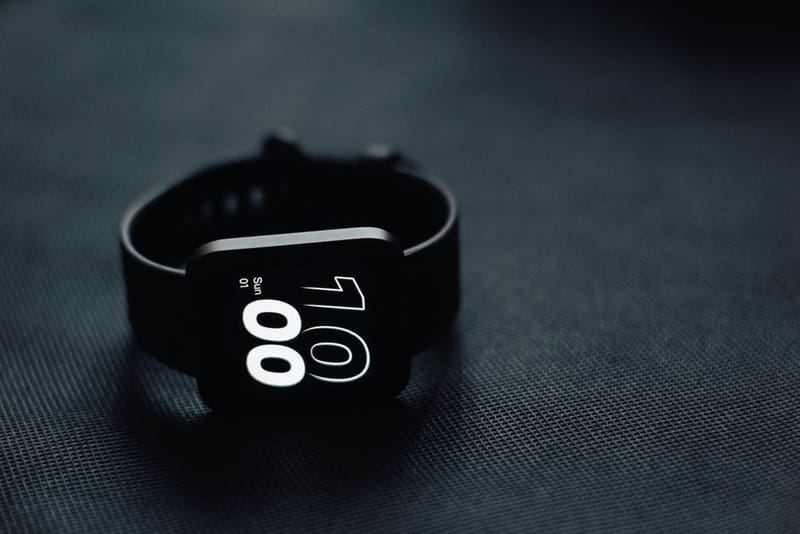 | 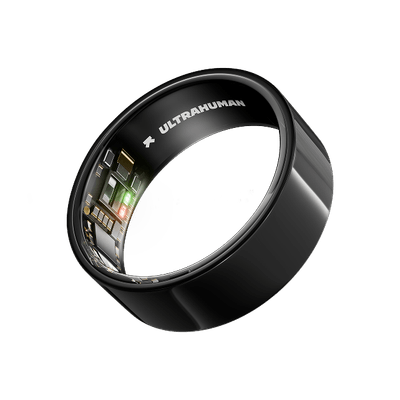 | |
|---|---|---|
| Price | £399 | £329 |
| Best for | The right pick if you already own a Galaxy phone - the ecosystem integration and wireless case are unmatched there. | The better pick for almost everyone outside the Samsung ecosystem - lighter, cheaper, cross-platform, with temperature sensing. |
| Review | Read review → | Read review → |
| Buy |
The picks in detail
Samsung Galaxy Ring
Bottom line. The right pick if you already own a Galaxy phone - the ecosystem integration and wireless case are unmatched there.
Pros
- No subscription - every feature on the device works for the lifetime of the ring with the included Samsung Health app
- Titanium build with a slightly concave outer profile that resists everyday scuffs visibly better than the flat-faced Oura 4
- Deep integration with Samsung Health and Galaxy phones - sleep, HRV, skin temperature, women's-cycle and AGEs Index all in one app you already use
- Wireless charging case included in the box (rare in the category - competitors ship a single puck) and rated up to 7 days battery life
- 10 ATM + IP68 water resistance so it can be worn in the shower and pool without removal
Cons
- Android-only in practice - there is no fully-supported iOS app, so iPhone owners should look elsewhere
- The most useful AI insights (My Vitality Score, advanced energy scoring) require a Galaxy phone running One UI 6.1+
- Sensor count is conservative - no SpO2, no ECG, no continuous skin-temperature stream, which means sleep-stage detail is less granular than Oura's stack
- Cycle and pregnancy tracking exists but is less feature-rich than the equivalent in Oura's app
- Sizes 5 and 6 carry visibly less battery than sizes 11–13, so small-finger users can expect closer to 5 days than 7
More buying options (1)
- Amazon Check price View deal →
Ultrahuman Ring Air
Bottom line. The better pick for almost everyone outside the Samsung ecosystem - lighter, cheaper, cross-platform, with temperature sensing.
Pros
- No mandatory subscription - every current feature is included with the hardware purchase, unlike Oura, Whoop and several newer rivals
- Lightest mainstream smart ring on the market at 2.4 – 3.6 g, which makes it materially less intrusive in sleep
- 10 ATM water resistance covers swimming and showering without the cautious-wear advisories seen on some rivals
- Five finishes including Raw Titanium and Bionic Gold span the cheapest and most premium aesthetic options in the category
- PowerPlugs marketplace adds opt-in trackers (caffeine, AFib screening, cycle phase) without raising the base subscription
Cons
- Sleep-stage and HRV accuracy track Oura closely in independent comparisons but remain a step behind it for the most rigorous use cases
- Battery life is real-world 4 – 6 days rather than the marketing-page 6+ - most rivals overstate equally, but the gap to Oura's 4 – 7 day claim is small
- The Ultrahuman app's UI is denser and less polished than Oura's, with a steeper learning curve for first-time wearable users
- Premium finishes (Bionic Gold, Space Silver) command a £100 – £200 cosmetic premium identical to Oura's pricing ladder
- Active legal context - Oura has ongoing patent infringement litigation against Ultrahuman in the US and India (status reviewed below); buy with the caveat that the legal outcome could affect future US availability
More buying options (1)
- Amazon Check price View deal →
Which one should you buy?
The choice splits cleanly on ecosystem. The Samsung Galaxy Ring is built to feed the Samsung Health pipeline a Galaxy phone and watch already use - paired that way it gives unified recovery and training-load readings no rival matches, plus a wireless charging case in the box. Take it out of that ecosystem and much of the value evaporates: there is no fully supported iOS app, and the best AI insights need a recent Galaxy phone.
The Ultrahuman Ring Air makes the opposite trade. It is platform-agnostic (iPhone and Android), 100 pounds cheaper at 299, materially lighter for overnight wear, and includes skin-temperature sensing that Samsung leaves out. Its app is denser and its accuracy sits a step behind Oura, but for anyone not already living in Samsung's ecosystem it is the more flexible, better-value ring.
How do they compare on sensors and accuracy?
Both track sleep, heart rate, HRV and activity to a similar standard, and both are a measurable step behind the Oura Ring 4 on sleep-stage granularity. The meaningful sensor difference is temperature: the Ultrahuman streams skin temperature (useful for cycle, illness and sleep context), while the Samsung ring takes a more conservative approach with no SpO2 or always-on temperature. A smart ring is inherently limited by the optical sensors it can fit on a finger, so treat all single-ring readings as trend data rather than clinical measurement.
What about battery, water resistance and price?
Both rate 10 ATM water resistance, so swimming and showering are fine on either. Battery is broadly comparable - in the four-to-seven-day range - though Samsung's smallest sizes carry less cell and land closer to five days. On price the Ultrahuman undercuts the Samsung by 100 pounds at RRP (299 vs 399), and neither adds a subscription, so the Ultrahuman is the cheaper ring to own outright. If you want the wider no-subscription picture, see our guide to smart rings without a subscription.
Frequently asked questions
Does the Samsung Galaxy Ring work with an iPhone?
Which is cheaper, the Galaxy Ring or the Ultrahuman Ring Air?
Do either of these rings need a subscription?
Which has better sleep tracking?
See the full reviews
Read our in-depth verdicts on each ring before you buy.