Smart Ring Without a Subscription: 4 Worth Buying in 2026
Four smart rings that skip Oura's £5.99/month subscription model - what you gain, what you lose, and which one is the right anti-Oura pick for you.
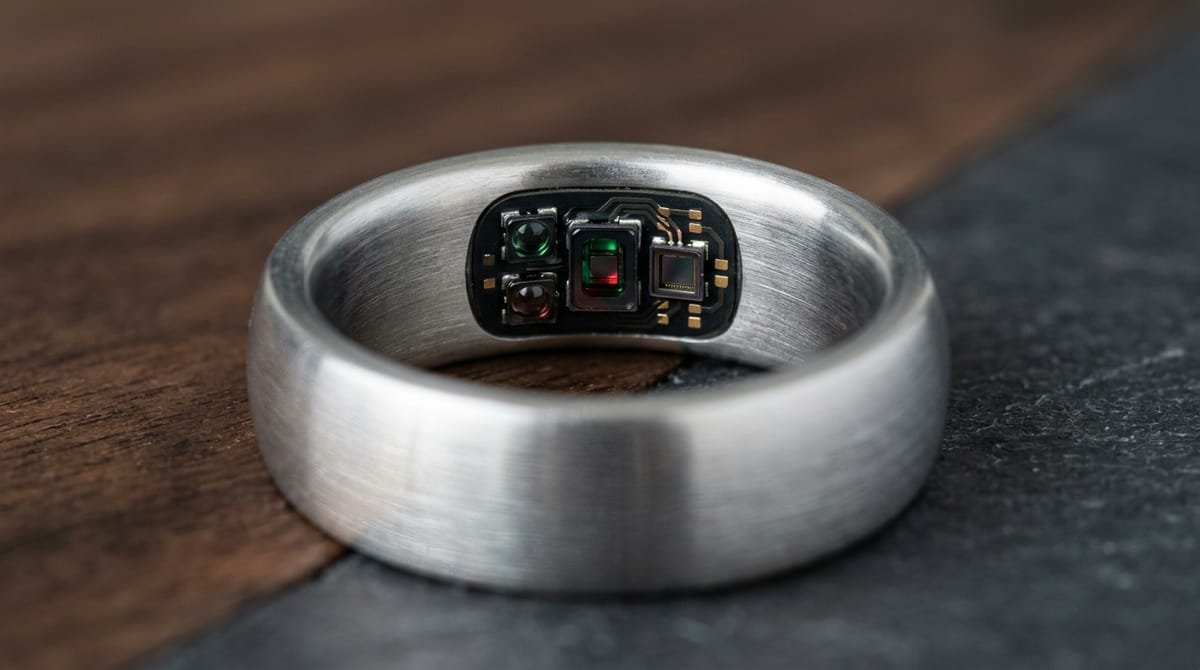
Oura is the smart ring most people have heard of, and the one most people pay full price for - twice. £349 for the ring, then £5.99 a month for the membership that unlocks most of the actual insights. Over five years that's £359 in subscription on top of the hardware. Plenty of buyers decide it's worth it for the polish and the proven sleep accuracy, but a real and growing audience wants a smart ring they can own outright. This guide is the practical short-list of four subscription-free options worth considering - and an honest reckoning of what you trade off when you skip Oura's app polish.
Why we picked these four (and not the others)
Four genuine no-subscription contenders are worth your attention in 2026: Ultrahuman Ring Air, RingConn Gen 2, Samsung Galaxy Ring, and Amazfit Helio Ring. Each takes a different bet on what "subscription-free" should mean, and the right pick depends less on raw spec sheets and more on which trade-off you'd rather make.
We've left out smaller-brand or unproven entrants. Smart rings live or die on the strength of their app and the consistency of their over-the-air updates - buying from a brand that might not exist in two years is the worst version of the subscription-platform-risk problem. The four below are all from companies with established product roadmaps and an installed base.
1. Ultrahuman Ring Air - the no-subscription default
The case for it: Ultrahuman is the only major smart-ring brand that has explicitly built its business around no-subscription. Buy the ring, get every feature - sleep tracking, HRV, recovery scores, Stim Index (caffeine timing recommendations), women's hormone-cycle support, glucose-aware metrics - and that's it. No tier above. The app is genuinely polished, updates ship monthly, and the company has a public roadmap.
What you get: battery life around 4-6 days, titanium body, IP68 rating, sizing kit shipped before the ring so you don't end up with the wrong fit. Performance on sleep tracking is competitive with Oura - not identical, but within the margin where most users wouldn't notice the difference day-to-day.
What you don't get: the broader Oura ecosystem (Apple Health is well-integrated but the third-party app catalogue isn't as deep), and the community features (challenges, group comparisons) that Oura offers on the higher membership tiers.
Who it's for: the buyer who wants the closest available alternative to Oura without the membership, and who's willing to pay near-Oura prices for the privilege. The honest pick for most people in this category.

2. RingConn Gen 2 - the cheapest credible option
The case for it: RingConn Gen 2 is around £239 - the lowest sticker among the four - and the company has been improving its software steadily since launch. Battery life is best in class (claimed 10-12 days, often 7-8 in real-world conditions), owners describe the titanium build as premium-feeling and the app as functional if not glossy.
What you get: sleep stages, SpO2, HRV, stress score, body battery analogue, and a respectable activity tracker. The 360-degree sensor array catches data on the finger from multiple angles, which is the technical differentiator vs single-sensor competitors. Charging is via a small case rather than a puck, which is convenient or annoying depending on your lifestyle.
What you don't get: the bleeding-edge feature pace of Ultrahuman or Oura. RingConn's update cadence is solid but slower; if you want "the latest metric" the moment it lands, this isn't the ring. App polish is functional rather than delightful.
Who it's for: the price-sensitive buyer who wants a real smart ring rather than the half-baked Aliexpress alternatives. The pragmatist's pick.
3. Samsung Galaxy Ring - the ecosystem pick
The case for it: If you already use a Samsung phone, the Galaxy Ring is the most frictionless smart ring you can buy. Samsung Health is the same app you've already got, the sleep-and-activity data merges with whatever you're tracking on a Galaxy Watch, and the integration with the broader Galaxy ecosystem is genuinely useful - gestures, Find My Ring, automatic mode-switching when you're working out.
What you get: full integration with Samsung Health, sleep stage tracking, HRV, energy score, women's cycle tracking via menstrual phase prediction, and the longest waitlist-to-fulfilment polish of any of the four. Build quality is excellent.
What you don't get: good cross-platform support. The Galaxy Ring works with iPhone in a limited way but the experience is markedly worse - most reviewers say outright that if you're on an iPhone, look elsewhere. The £399 price is also at the upper end of the no-subscription set.
Who it's for: Samsung-phone households who'd rather their smart ring talk to their existing Samsung Health data than introduce yet another app. The wrong pick for almost everyone else.
4. Amazfit Helio Ring - the budget bet
The case for it: Amazfit's Helio Ring is the under-£280 option from the brand most people know for value-priced fitness watches. The Zepp app is genuinely improved over its earlier reputation, and the ring delivers the core metrics (sleep, HRV, activity, stress) without subscription.
What you get: sleep tracking, HRV, SpO2, body composition estimates, and an integration path with Amazfit's wider product range if you're considering pairing it with one of their watches. Battery is competitive at 4-5 days.
What you don't get: the depth of insight that Oura and Ultrahuman offer at higher price points. The Zepp app's analysis tends to be more surface-level - "your stress is high today" rather than the contextual coaching that the more polished apps deliver. Some metrics that show up on the marketing page are best treated as directional rather than precise.
Who it's for: the buyer who's curious about smart rings but doesn't want to spend £300+ to find out if they'll wear one consistently. A reasonable entry point.
What you actually lose without Oura
This is the section the comparison posts in this category usually skip. Honest answer:
App polish. Oura's app is genuinely the best in the category - clean, fast, and consistently delightful. The four alternatives are all functional, but none of them have Oura's design budget. If you're someone who cares about how an app feels, you'll notice the gap.
Sleep-stage accuracy at the margin. Quantified Scientist's published comparisons against polysomnography consistently rank Oura at the top of the category for sleep-stage accuracy, with Ultrahuman a close second. The Samsung Galaxy Ring and RingConn Gen 2 are credible but slightly behind. For most users this gap doesn't change behaviour - you still see the right trends - but it's real.
Female-cycle prediction. Oura's cycle insights and hormone-phase predictions are the most refined in the category. Ultrahuman has caught up well; the others are usable but less sophisticated.
Third-party integrations. The Oura ecosystem connects to more third-party services (Whoop comparison, Strava, MyFitnessPal, Headspace, etc.) than any of the others. If you live in those tools, the friction adds up.
Replacement and support polish. Oura's customer service experience tends to outscore the alternatives, particularly around warranty replacements. Less true of Ultrahuman than the others, but still a real factor.
Which one should you pick?
Short version, by who you are:
You want the closest available alternative to Oura without the subscription - Ultrahuman Ring Air. Pay the £299 and get a ring that does 80-90% of what Oura does at a manageable one-time cost.
You're price-conscious and want a real smart ring (not a knock-off) - RingConn Gen 2 at £239. The cheapest credible no-subscription option.
You're already in the Samsung ecosystem - Samsung Galaxy Ring. The integration genuinely makes a difference; not worth it on iPhone.
You're not sure smart rings are for you and want a cheap way to find out - Amazfit Helio Ring at the lower end of the price spectrum. A reasonable curiosity-buy.
One non-answer worth being explicit about: none of these four is a like-for-like replacement for Oura. They're all credible, three of them are excellent for the right buyer, and the subscription-free model is structurally more honest. But Oura still leads on polish, sleep accuracy, and ecosystem. If you'd happily pay the membership for what it delivers and the lock-in doesn't bother you, our Oura Ring 4 review covers why that's a reasonable choice. The point of this guide is that you don't have to.
Frequently asked questions
Is Ultrahuman really subscription-free forever?
What happens to my data if the company goes under?
Can I use any of these with an iPhone?
How long do these batteries actually last?
Are smart rings actually accurate enough to base health decisions on?
Best Smart Rings 2026: Our Top Picks by Use Case
Smart Ring Buying Guide: What Actually Matters in 2026
Ultrahuman Ring Air Review 2026
Oura Ring 4 Review: Is It Worth £349 + a Membership?

Best Smart Ring Gifts UK 2026
Still deciding?
Start with the broader pillar guide for the full landscape, or jump straight to the Ultrahuman review if you've already decided no-subscription is the answer.