Comparison · 2 picks
Oura Ring 5 vs Oura Ring 4: Which Should You Buy?
Affiliate disclosure: we may earn a commission when you buy through links on this page, at no extra cost to you. Our verdicts are our own and are not influenced by compensation. As an Amazon Associate I earn from qualifying purchases.
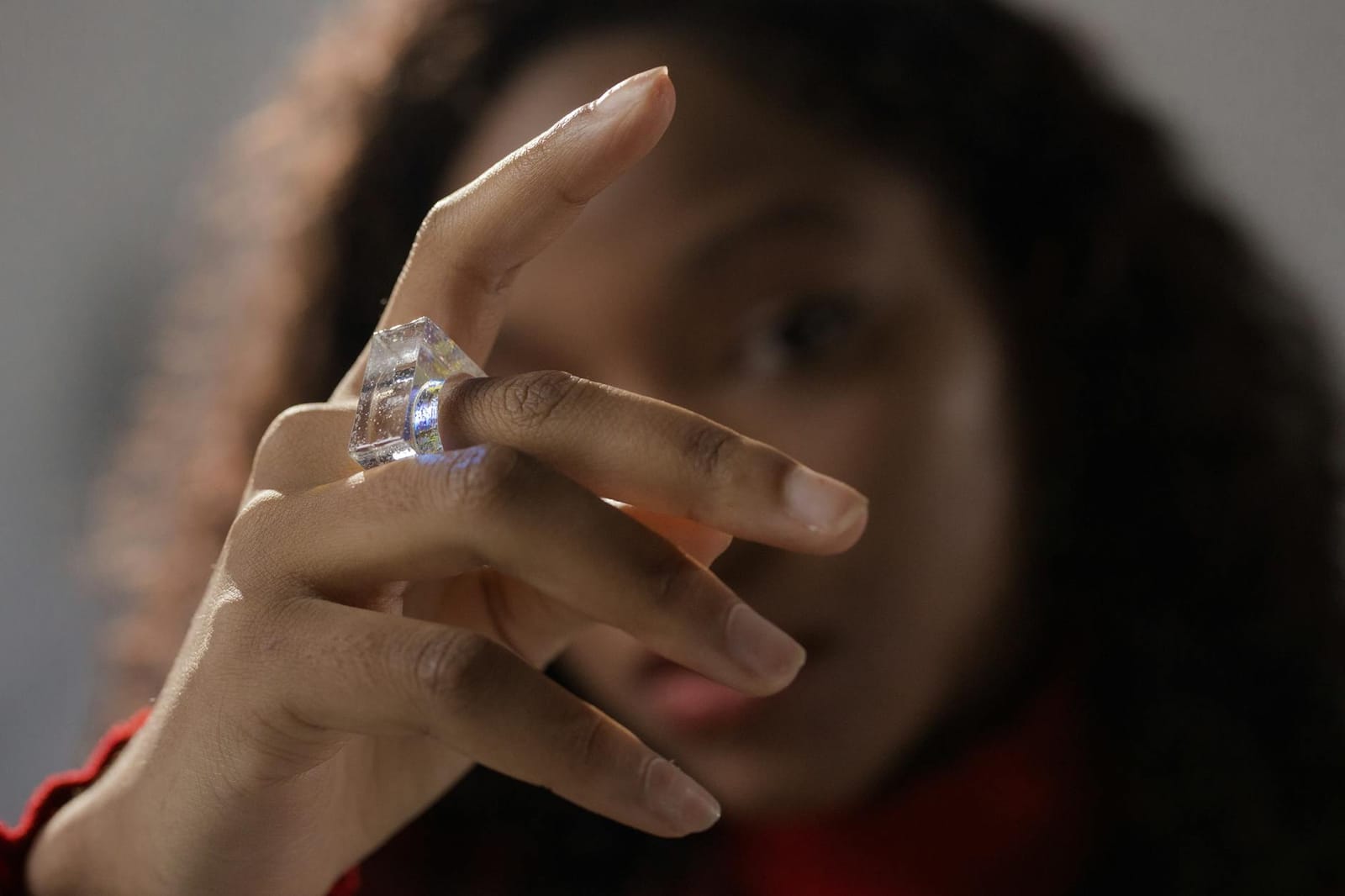
The Oura Ring 5 and the Oura Ring 4 are the two current flagships from Oura (a Finnish health-tracking company whose rings lead independent sleep-accuracy tests). The Ring 5 is smaller, lasts longer and adds new cardiovascular sensors; the Ring 4 does the core tracking just as well for £50 less. This comparison shows exactly what changed and who each ring suits.
At a glance
All 2 options side by side.
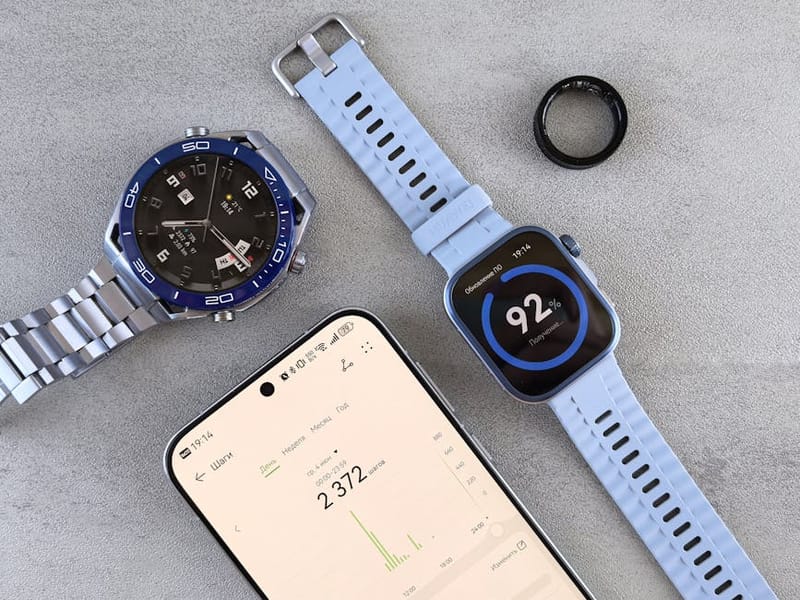 | 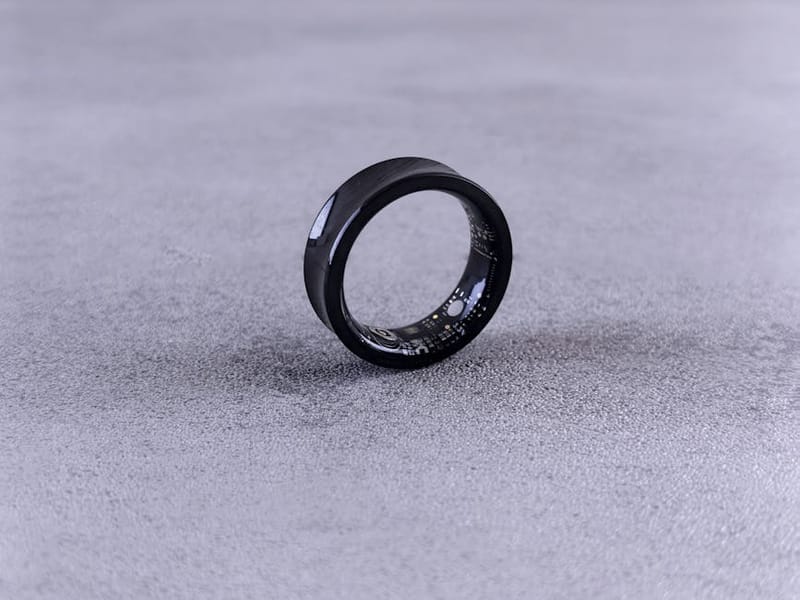 | |
|---|---|---|
| Price | £399 | £349 |
| Best for | The best Oura for new buyers who want the slimmest fit and the latest sensors. | The value pick - Oura's proven tracking for £50 less, if you can skip the new sensors. |
| Review | Read review → | Read review → |
| Buy |
The picks in detail
Oura Ring 5
Bottom line. The best Oura for new buyers who want the slimmest fit and the latest sensors.
Pros
- Dramatically smaller and lighter than the Ring 4 (about 40% smaller, 2-2.69g)
- Longer 6-9 day battery, up from 5-8 days
- New Blood Pressure Signals and Nighttime Breathing metrics on top of Oura's class-leading sleep tracking
- Optional charging case holds around a month of power for travel
Cons
- Oura Membership at £5.99/month (or £69.99/year) is still required for the full feature set
- £399 entry price rises to £499 for premium finishes
- Blood Pressure Signals show cardiovascular patterns, not a clinical blood-pressure reading
- No screen and a fixed size - you commit to one finger and need a sizing kit first
More buying options (1)
- Amazon Check price View deal →
Oura Ring 4
Bottom line. The value pick - Oura's proven tracking for £50 less, if you can skip the new sensors.
Pros
- The most refined sleep-stage and HRV algorithms in the category, repeatedly validated against polysomnography in independent testing
- Titanium build with recessed PPG sensors that survive daily wear - most users report two-to-three years before noticeable scuffs
- Four-to-seven day battery in normal use, with a small, fast-charging puck included in the box
- Multiple sizes (US 6–13) and three finishes (Heritage, Stealth, Gold/Rose Gold) for fit and aesthetics
- Genuinely innovative women's-health and metabolic-load metrics that competitors are still catching up on
Cons
- Oura Membership at £5.99/month is required to access the bulk of features - it adds £71.88 to the first-year cost
- No always-on heart rate or live workout heart-rate broadcast - fitness use is supplementary rather than primary
- No continuous SpO2 reading - overnight SpO2 is a spot-check during sleep, not 24/7
- Higher-priced finishes (Stealth, Gold) command a £50–£200 premium for cosmetic differences only
- Closed ecosystem - your historical data lives inside the Oura app and is difficult to export in a portable form
More buying options (1)
- Oura Check price View deal →
What's actually different?
Four things separate the two rings. Size and weight: the Ring 5 is about 40% smaller, at roughly 2-2.69g, and owners describe it as all but disappearing on the finger; the Ring 4 is noticeably chunkier. Battery: the Ring 5 runs 6-9 days versus 5-8 on the Ring 4. Sensors: the Ring 5 adds Blood Pressure Signals (overnight cardiovascular trend readings) and Nighttime Breathing, neither of which the Ring 4 has. Price: the Ring 5 starts at £399 against £349 for the Ring 4, which is frequently discounted.
What is not different matters just as much. Both rings share Oura's core sleep, readiness and heart rate variability (HRV) tracking - the metrics that consistently rate closest to clinical sleep studies in independent testing - and both require the same Oura Membership (the £5.99/month subscription that unlocks the full app).
Is the Oura Ring 5 worth upgrading from the Ring 4?
For most existing Ring 4 owners, no. The day-to-day data you see each morning - sleep stages, readiness, HRV - is effectively the same on both rings, because they run the same algorithms. The Ring 5's gains are the slimmer fit, a day or two more battery, and the new cardiovascular sensors.
Upgrade only if one of those genuinely matters to you: if the Ring 4 feels bulky, if you want the longest battery, or if Blood Pressure Signals and Nighttime Breathing fit a specific health interest. Otherwise the money is better kept, or spent on the membership the ring needs anyway.
Which should you buy?
Buy the Ring 5 if
You want the latest and slimmest
Buy the Ring 4 if
You want the same tracking for less
Whichever you pick, budget for the Oura Membership on top - it is mandatory for the full feature set on both rings. If a subscription is a dealbreaker, a subscription-free ring such as the Ultrahuman Ring Pro or RingConn Gen 3 is worth a look instead (see our Oura Ring 5 vs Ultrahuman Ring Pro comparison).
Frequently asked questions
Is the Oura Ring 5 worth the extra £50 over the Ring 4?
Do both Oura rings need a subscription?
Is the tracking accuracy different between the Ring 5 and Ring 4?
Can I use my Oura Ring 4 charger with the Ring 5?
Our pick: Oura Ring 5 for new buyers
The Ring 5 is the better long-term buy; the Ring 4 is the value choice if you can find it discounted.