Best Smart Ring for Running UK 2026
The best smart ring for running in 2026: rings track recovery, sleep and HRV, not pace or distance. Oura Ring 5, Ultrahuman Ring Pro and RingConn compared.
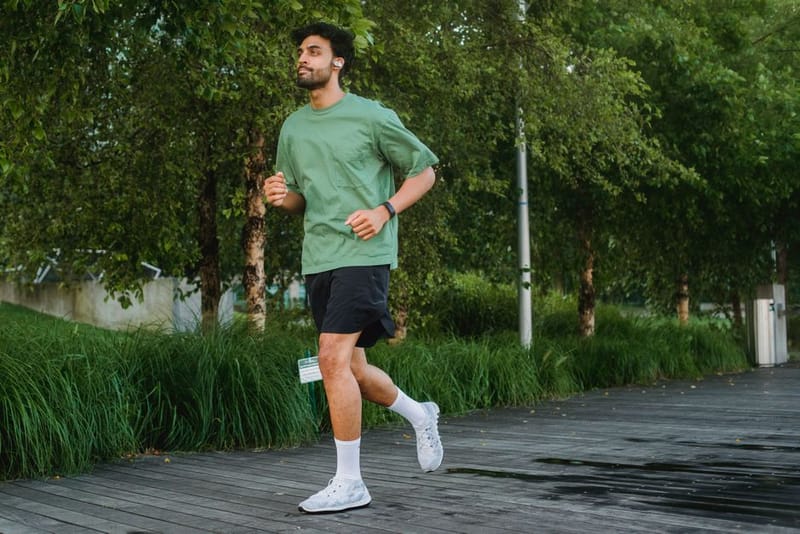
Runners are drawn to smart rings for an obvious reason: a ring is comfortable, never gets in the way of your grip, and tracks sleep and recovery far better than a watch you take off at night. But it is important to be clear about what a ring can and cannot do for your running before you buy one.
This guide explains where a smart ring genuinely helps a runner, where it falls short, and which rings are the best fit depending on your priorities and budget.
Can a smart ring track your runs?
Not in the way a running watch can. Smart rings have no built-in GPS, so they cannot measure pace, distance or route on their own. They also rely on a finger-based optical heart-rate sensor, and that signal is more affected by motion than a chest strap or even a wrist sensor during hard efforts, so in-run heart rate can be less reliable when your cadence is high.
What a ring does well is everything around the run: resting heart rate, heart-rate variability, sleep quality and a daily readiness or recovery signal that tells you whether to push or hold back. For a deeper look at the accuracy trade-offs, see our guides on smart ring accuracy versus a chest strap and step-counting accuracy.
Why a smart ring still helps runners
The biggest gains for runners are in recovery management. Consistent sleep and HRV tracking, captured comfortably overnight, gives you a credible read on whether your body has absorbed the last session. Used over weeks, that helps you avoid the classic mistakes of training hard on under-recovered days and stacking fatigue before a race.
A ring also fills the gap a watch leaves: most runners do not wear a sports watch to bed, so the ring becomes the always-on recovery layer. Many runners pair a GPS watch for the run with a ring for the other 23 hours of the day. Our marathon training guide covers how to fold that recovery data into a plan.
Which smart ring is best for runners?
The right pick depends on whether you prioritise insight, battery, value or ecosystem. All of the rings below track sleep, heart rate, HRV and activity; they differ in how they present recovery and what they cost to own.
Best smart rings for running - at a glance
- Best recovery insight - Oura Ring 5
- from £399 + £5.99/mo membership; the most refined sleep and readiness analytics, slimmest fit
- Best battery and recovery app - Ultrahuman Ring Pro
- around £419, no core subscription; up to 15-day battery and a recovery-first app aimed at athletes
- Best value - RingConn Gen 3
- around £299, no subscription; long battery and solid all-round tracking
- Best for Samsung users - Samsung Galaxy Ring
- around £399, no subscription; tight Samsung Health integration, pairs with a Galaxy Watch
Oura Ring 5: best for recovery insight
The Oura Ring 5 has the most mature recovery and sleep interpretation of any ring, which is exactly what most runners want from a wearable they keep on overnight. The trade-off is the ongoing membership at around £5.99 a month, which gates the headline insights. If you want the clearest readiness guidance and you are comfortable paying monthly, it is the strongest pick. See how the cost adds up in our subscription cost comparison.
Ultrahuman Ring Pro: best battery and athlete focus
The Ultrahuman Ring Pro leans hard into recovery and circadian timing, with no mandatory subscription and class-leading battery life of up to 15 days. For runners who dislike frequent charging and want a recovery-first app without a monthly fee, it is a natural fit. Some advanced features are sold as optional add-ons rather than bundled in.
RingConn Gen 3: best value for runners
The RingConn Gen 3 covers the core running-adjacent metrics, sleep, heart rate, HRV and activity, with no subscription and strong battery life, at a lower price than the premium options. It is the sensible choice for runners who want reliable recovery tracking without paying a monthly fee or a flagship price.
How should you use a ring alongside a running watch?
Treat them as a team. Wear your GPS watch for the run to capture pace, distance and route, then let the ring handle sleep, HRV and the daily recovery score. Check the ring's readiness signal in the morning to decide whether today is a hard session or an easy one, and review the trend weekly rather than reacting to a single off day. That division of labour plays to each device's strengths and avoids asking the ring to do the one thing it cannot, which is track the run itself.

Best Smart Ring for Athletes

Smart Ring vs Chest Strap Accuracy

Marathon Training with a Smart Ring
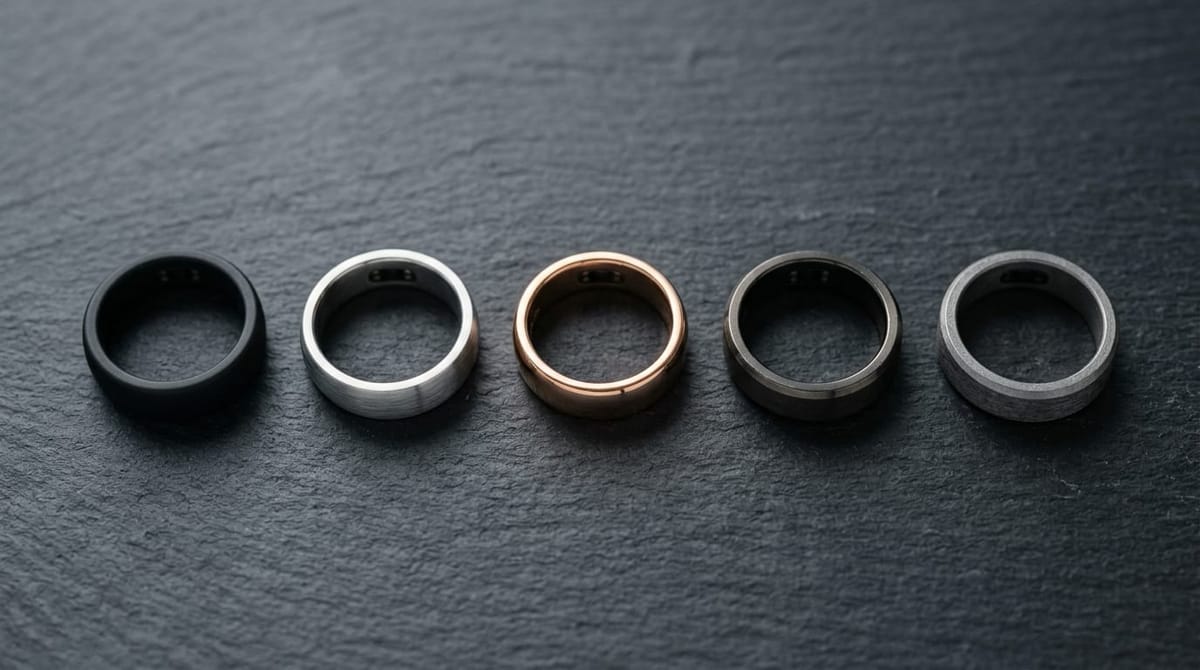
Best Smart Rings of 2026
Can a smart ring track running distance and pace?
Is a smart ring's heart rate accurate while running?
What is the best smart ring for runners overall?
Should I replace my running watch with a smart ring?
Not sure which ring fits your training?
Compare the leading rings on recovery features, battery and price.