Best Smart Ring for Tennis & Racket Sports 2026
The best smart rings for tennis, padel and squash in 2026: durable picks to wear on your non-racket hand, judged on recovery tracking and toughness.
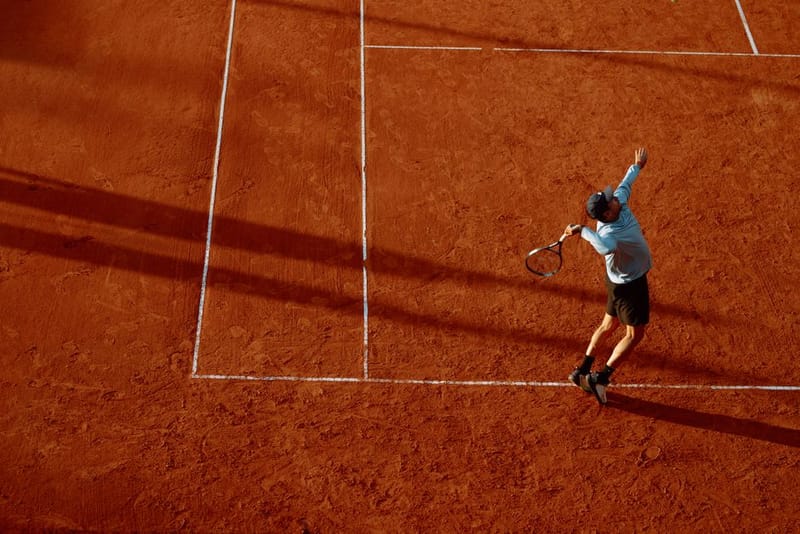
The best smart ring for tennis is a recovery tool you wear on the right hand, meaning the one that is not holding the racket. A smart ring (a finger-worn health-sensor wearable) on your grip hand takes a beating and interferes with feel, so the first rule of racket sports is simple: wear it on the non-dominant hand.
What matters for a racket-sports smart ring?
Durability and recovery, mostly. Racket sports mean sweat, grip pressure and the odd knock, so a tough titanium build matters. Beyond that, the ring's job is recovery: tennis, padel and squash are stop-start and hard on the body, and tracking sleep and readiness tells you when to play hard and when to rest. None of these rings track your match itself, so do not expect rally counts or shot data.
RingConn Gen 3 - the best all-rounder
The RingConn Gen 3 is the pick for most players: a durable titanium build, 10-plus day battery so it survives a tournament week, swim-safe sealing against sweat, and strong recovery tracking with no subscription. It is also slim enough to sit comfortably on the non-racket hand all day.
Oura Ring 4 - the best for recovery accuracy
If managing training load matters, the Oura Ring 4 has the most validated recovery and sleep data, which is genuinely useful across a hard block of matches. Its titanium build copes fine with sport on the non-dominant hand. The downsides remain the subscription and a shorter battery than the RingConn.
Ultrahuman Ring Air - the lightest for feel
Players who hate feeling anything on their hands will like the Ultrahuman Ring Air, the lightest mainstream ring. It is subscription-free, rated to 10 ATM against sweat and rain, and barely noticeable even mid-match. Its four-to-six day battery is the main compromise.
Can a smart ring track my tennis match?
No. Smart rings have no court tracking, shot detection or live scoring, and no GPS. They log the session as general activity at best. What they do well is the recovery side: how a hard match affected your sleep and resting heart rate, and whether you are ready to play again the next day.
Frequently asked questions
Which hand should I wear a smart ring on for tennis?
Can a smart ring track tennis or padel matches?
Are smart rings durable enough for racket sports?
Which smart ring is best for tennis recovery?
Best Smart Ring for the Gym & Lifting

Best Smart Ring for Athletes
Best Smart Rings 2026
Find your recovery ring
Compare the durable picks against the full 2026 field.