Smart Ring for Cold Water Swimming UK 2026
Smart rings for UK cold water swimming + ice baths - HRV recovery, skin temperature, vagal tone tracking. Oura, RingConn, Ultrahuman for cold exposure.
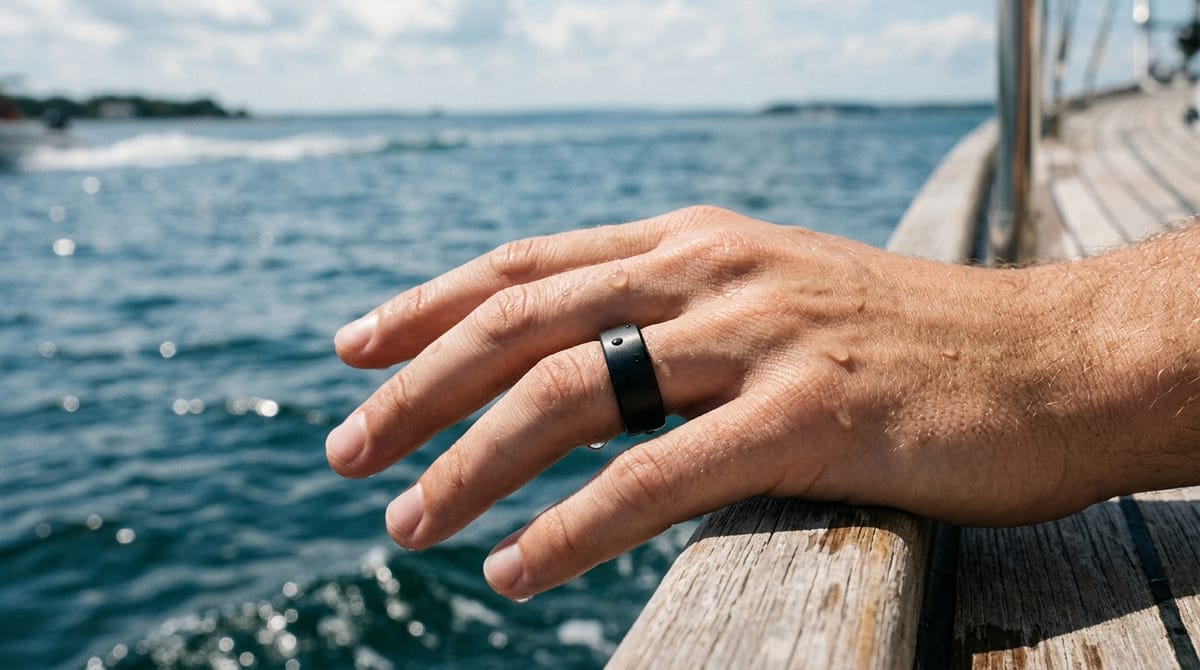
Cold water swimming is having a UK moment. The Outdoor Swimmer 2025 survey estimated 2.5 million UK adults now swim regularly in open water, with a similar number doing structured cold exposure at home (ice baths, cold showers). The physiological adaptation to consistent cold exposure is real and measurable - and the smart ring data captures it well. This guide covers what 2026 smart rings actually show during cold water training and how to use the data for safer, more effective progression.
What physiological adaptations actually happen with cold exposure?
The research literature on cold water adaptation shows four robust changes:
HRV baseline improvement. Regular cold exposure (3+ sessions per week over 8+ weeks) typically improves overnight HRV by 10-20%. The mechanism is enhanced vagal tone - the parasympathetic 'rest-and-digest' branch of the autonomic nervous system strengthens with the repeated cold-shock then recovery cycle. The smart ring's 28-day rolling average HRV shows this clearly across the adaptation window.
Faster post-cold HRV recovery. A cold water session acutely drops HRV by 30-50%. Untrained swimmers take 24-48 hours for full recovery. Trained cold-water swimmers recover within 4-12 hours. The ring's hourly HRV data tracks this recovery curve directly.
Shifted skin temperature regulation. Cold-adapted swimmers show different skin temperature patterns at rest - the body maintains warmer extremity temperatures by improving peripheral blood flow control. The ring's skin temperature trend graph shows this shift across months of consistent training.
Reduced resting heart rate. The autonomic adaptation usually translates into 3-8 bpm lower resting heart rate within 8-16 weeks of consistent cold exposure. The ring's overnight resting HR average tracks this cleanly.
Are all smart rings waterproof for UK cold water?
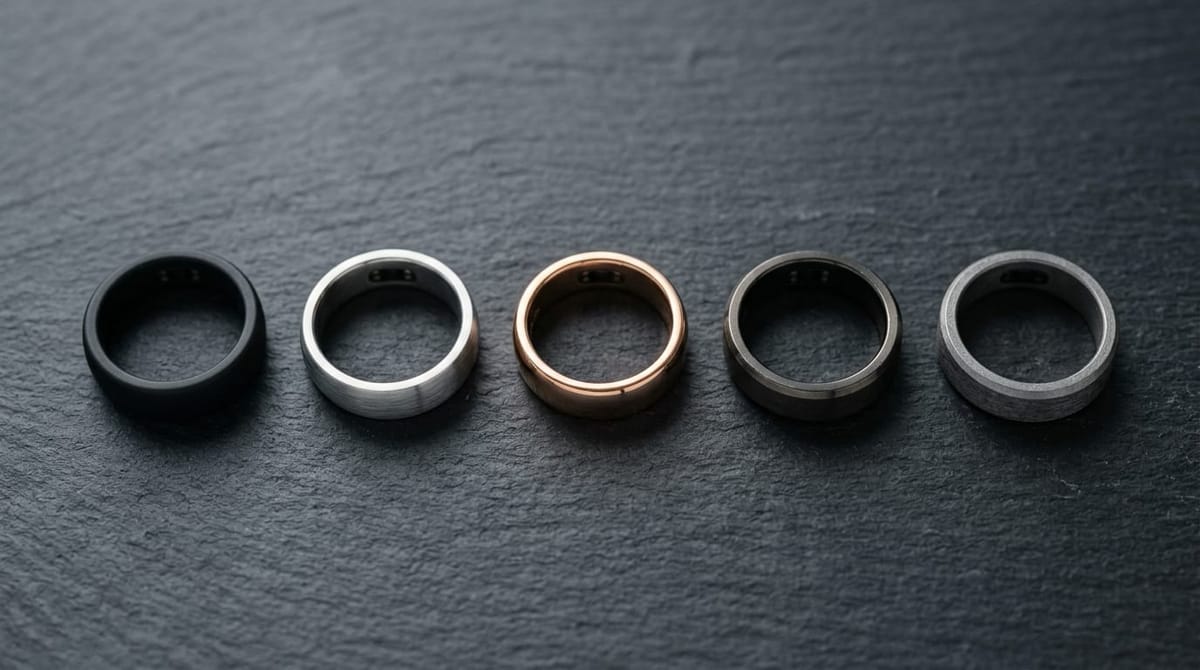
Yes - all major 2026 rings are rated to at least 100m water resistance, which covers UK lake, sea, and ice bath conditions comfortably. The specific ratings:
- Oura Ring 4: 100m water rating. Tested for sauna and ice bath cycling (the alternating-temperature use case some users adopt).
- RingConn Gen 3: 100m water rating. Popular in the UK cold-water community for the combination of waterproofing and no-subscription cost.
- Ultrahuman Ring Pro: 100m water rating. The R290 ceramic insert in the construction has shown good durability with repeated cold-water cycling.
- Samsung Galaxy Ring: 100m / 10 ATM rating.
- Amazfit Helio: 50m water rating (acceptable for swimming, less comfortable margin for cold exposure).
Practical note: even rings rated waterproof can develop sensor accumulation (sweat, lake silt, sea salt) over months of cold water use. Weekly cleaning with mild soap and water keeps the PPG sensors accurate. UK swimmers in salt water specifically should rinse the ring with fresh water after every session.
Which smart ring is best for UK cold water swimmers?
RingConn Gen 3 (£349, no subscription). The strongest value choice for UK cold water swimmers. 100m waterproof, no subscription, HRV trend tracking + skin temperature data give the full adaptation picture. Popular in the UK cold water swimming community precisely because the no-subscription model matches the hobbyist budget.
Ultrahuman Ring Pro (£449, no subscription). The Recovery PowerPlug and HRV trend visualisation are well-suited to tracking cold water adaptation. Ceramic insert construction has shown good durability with cold cycling. Best for cold water swimmers wanting sophisticated tooling without subscription cost.
Oura Ring 4 (£399 + £5.99/month). Strongest HRV algorithm validation in research studies. The Recovery view shows post-session recovery curves elegantly. Subscription cost (£71.88/year) is the hesitation - over 5 years of ownership, the total Oura cost is meaningfully higher than RingConn.
Samsung Galaxy Ring (£399). Solid data but less cold-water-specific framing. Best for Samsung-ecosystem users.
How do you actually use the ring data?
Practical guidance:
- Track HRV trajectory over 8-16 weeks of consistent cold exposure. The adaptation takes that long to show clearly. Single-session HRV changes are noise; the 28-day rolling average shift is the meaningful signal.
- Use post-cold HRV recovery time as your readiness check. If you're 12 hours after a cold session and HRV is still 30%+ below baseline, you're not ready for another hard session. Skip the planned cold session, do an easier movement day instead.
- Watch skin temperature regulation patterns. Cold-adapted swimmers maintain warmer extremity temperatures at rest. If your skin temperature pattern shifts colder over months of training, you may be over-doing the cold dose - the body has hit an adaptation ceiling and is starting to over-conserve heat.
- Build cold exposure dose gradually. Most UK cold water swimmers progress from 30-second exposures in summer (16-20°C) through 1-2 min exposures in autumn (10-15°C) to 1-3 min winter swims (5-10°C). The ring data tells you when you've adapted enough to extend duration safely.
- Use the data to discuss with a coach or community member. The OSS (Outdoor Swimming Society) has UK regional communities with experienced swimmers who can interpret your data alongside subjective signs.
Frequently asked questions
Will my smart ring survive UK winter cold water swimming?
How long does it take to see HRV adaptation to cold water?
Can the smart ring detect cold shock or hypothermia risk?
What if my HRV doesn't improve despite consistent cold exposure?
Should I use a heart rate strap alongside the ring for cold water?
HRV Explained for Smart Ring Users

Best Smart Ring for Athletes
Smart Ring + Cortisol Stress Management