Comparison · 2 picks
Ultrahuman Ring Air vs Ring Pro 2026: Which to Buy?
Affiliate disclosure: we may earn a commission when you buy through links on this page, at no extra cost to you. Our verdicts are our own and are not influenced by compensation. As an Amazon Associate I earn from qualifying purchases.
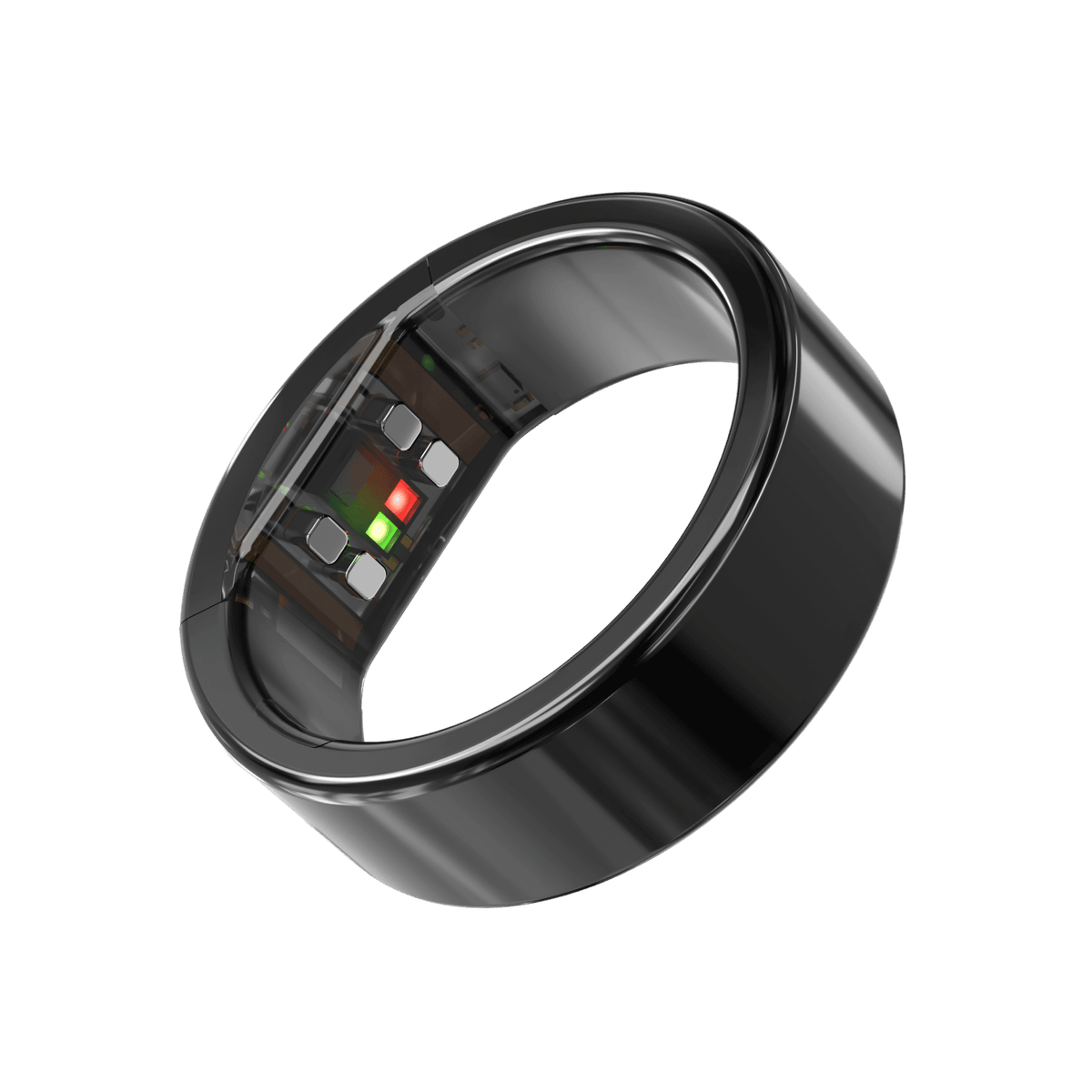
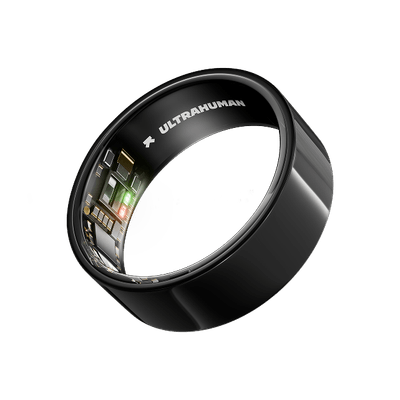
Ultrahuman sells two smart rings in 2026 - the Ring Air at £329 and the Ring Pro at £429. They run the same Ultrahuman app, and neither needs a subscription for the core sleep, HRV, recovery, and activity metrics. The roughly £100 price difference buys hardware: a claimed 12-15 day battery (versus 4-6 days on the Air), an included PRO Charger case that stores up to 45 days of extra charge, a dual-core chip with on-device machine learning and 250 days of on-ring storage, an all-titanium unibody build, and a redesigned PPG sensor. This guide walks through what each ring actually does, what the Pro adds for the premium, and which one fits which user. One important 2026 caveat: the Ring Pro is currently on pre-order with limited UK availability following production delays, so check stock before planning a purchase around it.
At a glance
All 2 options side by side.
 |  | |
|---|---|---|
| Price | £429 | £329 |
| Best for | The right pick for users who want the longest battery life in the smart-ring category, the toughest build, and the newest Ultrahuman hardware. | The right pick for users who want a no-subscription smart ring focused on sleep, recovery, and activity at the lowest credible price. |
| Review | Read review → | Read review → |
| Buy |
The picks in detail
Ultrahuman Ring Pro
Bottom line. The right pick for users who want the longest battery life in the smart-ring category, the toughest build, and the newest Ultrahuman hardware. The premium buys battery, storage, and construction rather than exclusive health metrics - AFib detection is a paid PowerPlug add-on available beyond the Pro. As of July 2026 the Ring Pro is on pre-order with limited UK availability.
Pros
- Category-leading 15-day battery life (more than 2x Oura Ring 4)
- No subscription required for core features or the Jade AI platform
- Titanium unibody construction + on-chip ML processor
- 250 days of on-device health data storage
- Four finish options (Bionic Gold, Space Silver, Aster Black, Raw Titanium)
- ProRelease emergency-cut safety feature
Cons
- £429 - premium price
- Independent polysomnogram accuracy data not broadly published as of mid-2026
- Production-delayed: official page shows pre-order as of July 2026, with limited UK availability
- Jade AI platform is genuinely new and unproven against Oura's longitudinal-data depth
Ultrahuman Ring Air
Bottom line. The right pick for users who want a no-subscription smart ring focused on sleep, recovery, and activity at the lowest credible price. Best for users who don't need the Pro's battery and build upgrades and prefer to keep the upfront cost down.
Pros
- No mandatory subscription - every current feature is included with the hardware purchase, unlike Oura, Whoop and several newer rivals
- Lightest mainstream smart ring on the market at 2.4 – 3.6 g, which makes it materially less intrusive in sleep
- 10 ATM water resistance covers swimming and showering without the cautious-wear advisories seen on some rivals
- Five finishes including Raw Titanium and Bionic Gold span the cheapest and most premium aesthetic options in the category
- PowerPlugs marketplace adds opt-in trackers (caffeine, AFib screening, cycle phase) without raising the base subscription
Cons
- Sleep-stage and HRV accuracy track Oura closely in independent comparisons but remain a step behind it for the most rigorous use cases
- Battery life is real-world 4 – 6 days rather than the marketing-page 6+ - most rivals overstate equally, but the gap to Oura's 4 – 7 day claim is small
- The Ultrahuman app's UI is denser and less polished than Oura's, with a steeper learning curve for first-time wearable users
- Premium finishes (Bionic Gold, Space Silver) command a £100 – £200 cosmetic premium identical to Oura's pricing ladder
- Active legal context - Oura has ongoing patent infringement litigation against Ultrahuman in the US and India (status reviewed below); buy with the caveat that the legal outcome could affect future US availability
More buying options (1)
- Amazon Check price View deal →
What does the Ring Pro actually add over the Air?
The Pro vs Air decision comes down to hardware. Four things genuinely differ between the two rings, and one widely repeated claim doesn't hold up.
1. Battery life and the PRO Charger case. Ultrahuman quotes 12-15 days per charge for the Ring Pro (12 in Turbo mode, 15 in Chill mode) against roughly 4-6 days for the Air. The Pro also ships with the PRO Charger, a Qi-chargeable case that stores up to 45 days of additional charge and tops the ring up with a magnetic UltraSnap click - earbuds-case convenience rather than a bare dock. For most buyers this is the single biggest practical difference.
2. Dual-core chip and on-ring storage. The Pro runs a dual-core processor with on-device machine learning and holds up to 250 days of data on the ring itself, versus a single-core chip and about 4 days of storage on the Air. In practice that means better offline behaviour (long trips without the phone nearby) and headroom for future on-device features.
3. All-titanium unibody build. The Pro is machined as a single titanium piece; the Air is a titanium-and-epoxy hybrid shell. Both are light and durable in normal wear, but the unibody is the structurally tougher construction for gym work and knocks.
4. Redesigned PPG sensor. Ultrahuman overhauled the Pro's optical heart-rate array, which it says improves signal quality, particularly overnight. The underlying PPG approach is the same as the Air's; the Pro's implementation is newer.
What the Pro does not add: exclusive health metrics. AFib detection - often assumed to be the Pro's headline feature - is actually a paid PowerPlug add-on in the Ultrahuman app (around £4.90/month), not a Pro hardware exclusive. The same applies to the rest of the PowerPlugs marketplace: neither ring bundles the paid modules, and the core sleep, HRV, recovery, and temperature metrics are the same on both.
Do you actually need the Pro features?
Be honest about whether the roughly £100 Pro premium buys you something you'll use.
If charging friction is your enemy: the Pro is the clear winner. A claimed 12-15 day battery plus the 45-day PRO Charger case means weeks of travel without thinking about power; the Air needs a top-up every 4-6 days.
If you're primarily a sleep and recovery user: the Air gives you everything you need. The core sleep stages, sleep score, HRV, recovery score, skin temperature, and activity metrics are the same on both rings, and paid PowerPlugs such as AFib detection are available from the app either way. The saving on the Air can fund years of a PowerPlug subscription if you decide you want one.
If durability matters: the Pro's all-titanium unibody is the tougher build for lifting, climbing, or gloves-on outdoor work. The Air is not fragile, but the hybrid shell is the older construction.
If you're choosing between Ultrahuman and a competitor: our smart ring health metrics guide covers the cross-brand landscape including Oura Ring 4, RingConn, and Samsung Galaxy Ring. The Ultrahuman Pro and Oura Ring 4 sit at similar price points with different philosophies - Oura has the longer track record and a subscription; Ultrahuman is subscription-free on the core feature set.
How does the subscription model affect the comparison?
Both the Ring Air and the Ring Pro work without any mandatory subscription - sleep, recovery, HRV, activity, and skin-temperature metrics are all included in the base hardware purchase. This is a meaningful difference versus Oura's subscription-required model (currently £5.99/month for full feature access).
Ultrahuman's PowerPlugs marketplace is the optional upgrade layer where the subscription model lives. Specific advanced metrics - particularly the metabolism PowerPlug that infers glucose patterns from heart-rate variability and skin-temperature trends - require either a one-off purchase or a monthly subscription depending on the plug - AFib detection, for example, is around £4.90/month. Neither the Air nor the Pro includes the paid plugs by default; both come with the same base feature set, and the Jade AI assistant is included free with the Pro.
The honest framing: the Air's value proposition is that you get genuine no-subscription smart-ring health tracking at £329. The Pro is the same proposition plus the battery, storage, and build upgrades for roughly £100 more. The subscription question is genuinely orthogonal to the Air-vs-Pro decision.
Which Ultrahuman ring should you actually buy?
Pick the Ring Air if: a 4-6 day battery doesn't bother you, you want the lowest no-subscription smart ring entry point, you would like the wider choice of finishes, and you would rather not wait out the Pro's pre-order queue.
Pick the Ring Pro if: you want the longest battery life in the category (claimed 12-15 days plus the 45-day charger case), the all-titanium unibody build, the newer sensor and chip hardware, or the on-ring storage for long offline stretches.
The default recommendation: for most users the Ring Air remains the better value purchase, especially while the Pro is on pre-order. Save the roughly £100 and either keep it or apply it to a complementary device (a CGM sensor for two weeks of metabolic insight, a PowerPlug subscription, or a chest strap for accurate workout HRV).
Frequently asked questions
Is the Ultrahuman Ring Pro worth the premium over the Air?
Do both rings work without a subscription?
Are the physical rings the same?
How does battery life compare between the Air and the Pro?
Does AFib detection require the Ring Pro?
Should I wait for the next Ultrahuman release?
Smart Ring Health Metrics Explained
Smart Ring vs CGM
Comparing across brands?
Our smart ring health metrics guide covers the full UK landscape - Oura, Ultrahuman, RingConn, Samsung.