
Comparison · 2 picks
Noise Luna Ring vs RingConn Gen 2 (UK 2026)
Affiliate disclosure: we may earn a commission when you buy through links on this page, at no extra cost to you. Our verdicts are our own and are not influenced by compensation. As an Amazon Associate I earn from qualifying purchases.
The Noise Luna Ring and the RingConn Gen 2 are two of the cheapest subscription-free smart rings (finger-worn health-sensor wearables) you can buy in the UK, both sitting around £220 to £240. They take the same no-monthly-fee stance against the Oura Ring, but they make very different trade-offs once you look past the price.
At a glance
All 2 options side by side.
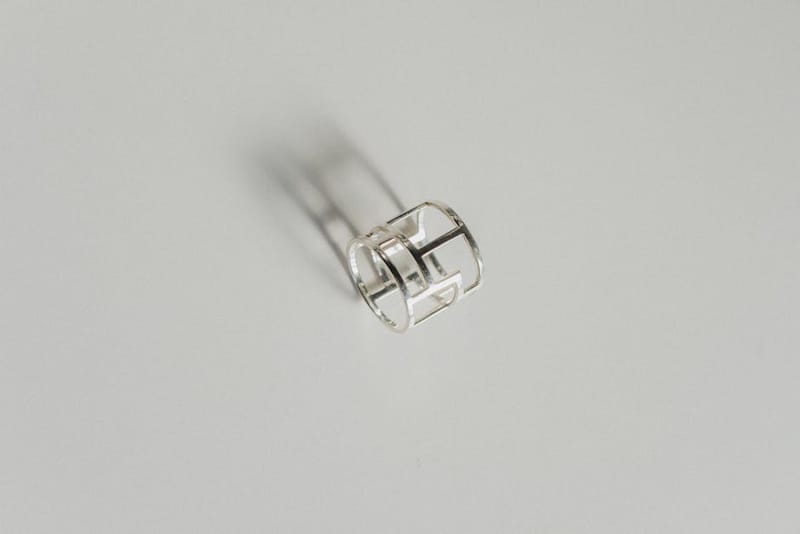 |  | |
|---|---|---|
| Price | £259 | See price |
| Best for | battery and the charging case make it the easier ring to live with. | Best if sleep insight is your priority and you do not mind charging twice a week. |
| Review | Read review → | Read review → |
| Buy |
The picks in detail
RingConn Gen 2
Bottom line. The better all-rounder: battery and the charging case make it the easier ring to live with.
Pros
- No subscription - every feature is included with the hardware purchase, the same value proposition as Ultrahuman at a lower price
- 10 – 12 day real-world battery life is roughly double the rest of the category and a meaningful difference for daily wearers
- Portable charging case ships in the box and provides multiple top-ups without finding the puck - travel-friendly
- Genuinely competitive entry price at £259 - undercuts the Oura Ring 4 (£349) and Ultrahuman Ring Air (£299) on hardware alone
- Three understated finishes work as either a smart ring or a passable everyday ring; the form factor is one of the slimmer profiles in the category
Cons
- Sleep-stage and HRV algorithms are visibly less refined than Oura's and slightly behind Ultrahuman's in independent comparisons
- 5 ATM water resistance is fine for showering and shallow swimming but trails Ultrahuman and Oura's 10 ATM rating for water sports use
- App is functional rather than polished - fewer narrative insights, more raw-number dashboard than the Oura or Ultrahuman experiences
- Smaller brand with less long-term financial visibility than Oura - buyers should account for the residual support risk over a multi-year ownership horizon
- Limited third-party integrations and a closed ecosystem similar to rivals - historical data effectively lives in the RingConn app
More buying options (1)
- RingConn Check price View deal →
Noise Luna Ring
Bottom line. Best if sleep insight is your priority and you do not mind charging twice a week.
Pros
- No subscription: all metrics included with the hardware
- Strong sleep-stage and heart-rate accuracy in independent testing
- Light 3.5 g titanium build with diamond-like coating
- Helpful contextual AI insights in the app
- Cheaper than the Oura Ring 4 in the UK
Cons
- Real-world battery is only about four days, well behind rivals
- Magnetic charger needs fiddly, precise alignment
- Activity and workout tracking is unreliable
- No half sizes; a sizing kit is essential first
Which is better value?
They are close on price: the Noise Luna Ring is around £219 and the RingConn Gen 2 around £239, both far below the Oura Ring 4. Neither charges a subscription, so the headline cost is the real cost. On pure hardware value the RingConn edges it, because the box includes a portable charging case that the Luna does not, and its battery means you buy far fewer charging sessions over the ring's life.
How do battery and charging compare?
This is the decisive gap. The RingConn Gen 2 runs 10 to 12 days per charge and ships with a pocketable case that holds extra top-ups. The Noise Luna Ring manages closer to four days in real use and charges on a flat magnetic dock that needs careful alignment. If you value forgetting about charging, the RingConn wins comfortably.
Which tracks sleep and recovery more accurately?
Here the Noise Luna Ring pulls ahead. Its sleep-stage and heart-rate data track established rings closely in independent testing, and its app adds genuinely useful contextual insights. The RingConn Gen 2's tracking is solid but its algorithms are visibly less refined, and its app is more of a raw-number dashboard. If your main goal is understanding your sleep, the Luna is the stronger tool.
What about water resistance and durability?
Both carry a 5 ATM / 50 m rating, which covers showering and shallow swimming but not serious water sports. Build quality is comparable: both use a titanium-family shell. One caveat sits over the Luna: following the Oura patent dispute with its parent company, it was withdrawn from US sale, though it remains available in the UK. The RingConn carries the usual smaller-brand longevity question instead.
Which should you buy?
For most people, buy the RingConn Gen 2. The battery and charging case make it the ring you actually keep wearing, and its tracking is good enough for everyday use. Choose the Noise Luna Ring only if sleep accuracy and AI-led insights are your priority and a four-day battery does not bother you. If you want the lightest RingConn instead, our Gen 2 Air review covers the budget alternative, and the best smart rings guide has the full field.
Frequently asked questions
Is the Noise Luna Ring or RingConn Gen 2 cheaper?
Which has better battery life?
Which tracks sleep more accurately?
Do either need a subscription?
See the full smart ring rankings
Both rings feature in our ranked guide to the best smart rings.