Comparison · 2 picks
Oura Ring 5 vs Ultrahuman Ring Air: 2026 UK Comparison
Affiliate disclosure: we may earn a commission when you buy through links on this page, at no extra cost to you. Our verdicts are our own and are not influenced by compensation. As an Amazon Associate I earn from qualifying purchases.
The Oura Ring 5 arrived in June 2026 as the slimmest, most sensor-packed Oura yet, but it still leans on a monthly membership. The Ultrahuman Ring Air takes the opposite stance: a lighter, subscription-free ring that gives you every feature for a single payment. This comparison is really about two philosophies as much as two rings.
At a glance
All 2 options side by side.
 | 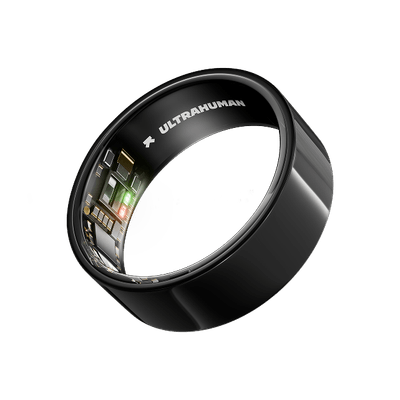 | |
|---|---|---|
| Price | £399 | £329 |
| Best for | The pick if you want the most polished insight layer and the slimmest ring yet, and you accept the monthly membership that unlocks it. | The pick if you want strong activity and recovery tracking with no recurring fee, and you value owning every feature outright. |
| Review | Read review → | Read review → |
| Buy |
The picks in detail
Oura Ring 5
Bottom line. The pick if you want the most polished insight layer and the slimmest ring yet, and you accept the monthly membership that unlocks it.
Pros
- Dramatically smaller and lighter than the Ring 4 (about 40% smaller, 2-2.69g)
- Longer 6-9 day battery, up from 5-8 days
- New Blood Pressure Signals and Nighttime Breathing metrics on top of Oura's class-leading sleep tracking
- Optional charging case holds around a month of power for travel
Cons
- Oura Membership at £5.99/month (or £69.99/year) is still required for the full feature set
- £399 entry price rises to £499 for premium finishes
- Blood Pressure Signals show cardiovascular patterns, not a clinical blood-pressure reading
- No screen and a fixed size - you commit to one finger and need a sizing kit first
More buying options (1)
- Amazon Check price View deal →
Ultrahuman Ring Air
Bottom line. The pick if you want strong activity and recovery tracking with no recurring fee, and you value owning every feature outright.
Pros
- No mandatory subscription - every current feature is included with the hardware purchase, unlike Oura, Whoop and several newer rivals
- Lightest mainstream smart ring on the market at 2.4 – 3.6 g, which makes it materially less intrusive in sleep
- 10 ATM water resistance covers swimming and showering without the cautious-wear advisories seen on some rivals
- Five finishes including Raw Titanium and Bionic Gold span the cheapest and most premium aesthetic options in the category
- PowerPlugs marketplace adds opt-in trackers (caffeine, AFib screening, cycle phase) without raising the base subscription
Cons
- Sleep-stage and HRV accuracy track Oura closely in independent comparisons but remain a step behind it for the most rigorous use cases
- Battery life is real-world 4 – 6 days rather than the marketing-page 6+ - most rivals overstate equally, but the gap to Oura's 4 – 7 day claim is small
- The Ultrahuman app's UI is denser and less polished than Oura's, with a steeper learning curve for first-time wearable users
- Premium finishes (Bionic Gold, Space Silver) command a £100 – £200 cosmetic premium identical to Oura's pricing ladder
- Active legal context - Oura has ongoing patent infringement litigation against Ultrahuman in the US and India (status reviewed below); buy with the caveat that the legal outcome could affect future US availability
More buying options (1)
- Amazon Check price View deal →
Why does the subscription decide so much?
It is the cleanest place to start because it shapes the long-term cost more than the sticker price does. The Oura Ring 5 costs around £399, and most of its value lives behind the Oura Membership at roughly £5.99 a month. Without it, the app falls back to bare scores with no trends or detailed insights. The Ultrahuman Ring Air costs around £329 and charges nothing further: every feature you see on day one stays unlocked for the life of the ring.
Over three years that gap compounds. The Oura reaches roughly £615 once 36 months of membership are added, while the Ultrahuman stays at its purchase price. If ongoing cost is your deciding factor, the Ultrahuman wins before the sensors even enter the conversation. Our subscription cost comparison lays out the full maths.
Which is more accurate on sleep and recovery?
Oura retains the edge on sleep interpretation. Its readiness and sleep-staging models are the most mature in the category, and the Ring 5's updated sensors and slimmer fit aim to improve signal quality further. The Ultrahuman Ring Air is no slouch on the raw metrics and brings its own angle through circadian features such as caffeine and movement windows, but Oura's insight layer is still the more refined of the two.
For pure recovery and activity framing, the Ultrahuman appeals to users who want guidance on timing rather than a polished score. Both track heart rate, HRV, temperature trends and sleep; the difference is how each presents the data.
How do they compare on fit, battery and daily wear?
The Oura Ring 5 is the headline act on fit: Oura describes it as around 40% slimmer than before, which makes it one of the most discreet rings you can buy. The Ultrahuman Ring Air is also light and low-profile, and remains a comfortable all-day option. Both deliver multi-day battery life rather than the day-or-two of a smartwatch, so neither demands nightly charging.
If the thinnest possible ring matters most to you, the Ring 5 leads. If you simply want something you forget you are wearing, both qualify.
How do the apps and ecosystems compare?
The Oura app is the more polished product, with a steady stream of new features delivered through software rather than new hardware, which is part of what the membership funds. The Ultrahuman app is feature-rich and improving, with its marketplace-style add-ons, and it has the advantage of no paywall. Both integrate with Apple Health and Android's Health Connect, so data can flow to other apps either way. See our Apple Health integration guide for how that works.
Which should you actually buy?
Buy the Oura Ring 5 if you want the best-interpreted sleep and readiness data, the slimmest fit, and a continuously evolving app, and the monthly fee does not bother you. Buy the Ultrahuman Ring Air if you want dependable activity and recovery tracking, own-it-outright pricing, and circadian guidance without a subscription. Neither is wrong; they suit different priorities.
If avoiding any recurring fee is your hard rule, the Ultrahuman is the natural pick and our no-subscription guide covers the wider field. If you want the full market view first, see our best smart rings of 2026 roundup.